Why Choose an Industrial Oil Boiler for Your Business?
Choosing the right heating system can shape your factory’s operating costs, production stability, and workplace comfort. An Industrial Oil Boiler may suit facilities that require dependable steam or hot water throughout long working shifts. It can deliver steady heat for manufacturing lines, drying rooms, process tanks, and warehouse heating. In practical use, operators often value its responsive output during sudden demand changes. That matters when a production batch cannot wait for slow temperature recovery.
However, reliable performance depends on more than boiler capacity. Fuel quality, burner calibration, insulation, water treatment, and regular inspections all influence daily results. A well-maintained unit can reduce heat loss and support consistent operation. It may also offer useful flexibility where natural gas infrastructure is limited. Yet oil storage requires careful planning, suitable safety controls, and responsible environmental management. These details should never be treated as minor expenses.
Experienced engineers usually compare thermal demand, fuel availability, installation space, maintenance access, and local efficiency requirements before recommending equipment. They may also calculate seasonal consumption rather than relying on a supplier’s best-case figures. That approach is less exciting, but more dependable. A common mistake is focusing only on the purchase price. The real cost includes fuel, servicing, downtime, emissions controls, and eventual replacement.
An Industrial Oil Boiler is not automatically the best choice for every business. Still, it can provide robust, controllable heat when matched with realistic operating conditions. Careful assessment creates confidence. Some assumptions may need revision after monitoring actual demand for several months. That is not failure; it is responsible engineering.
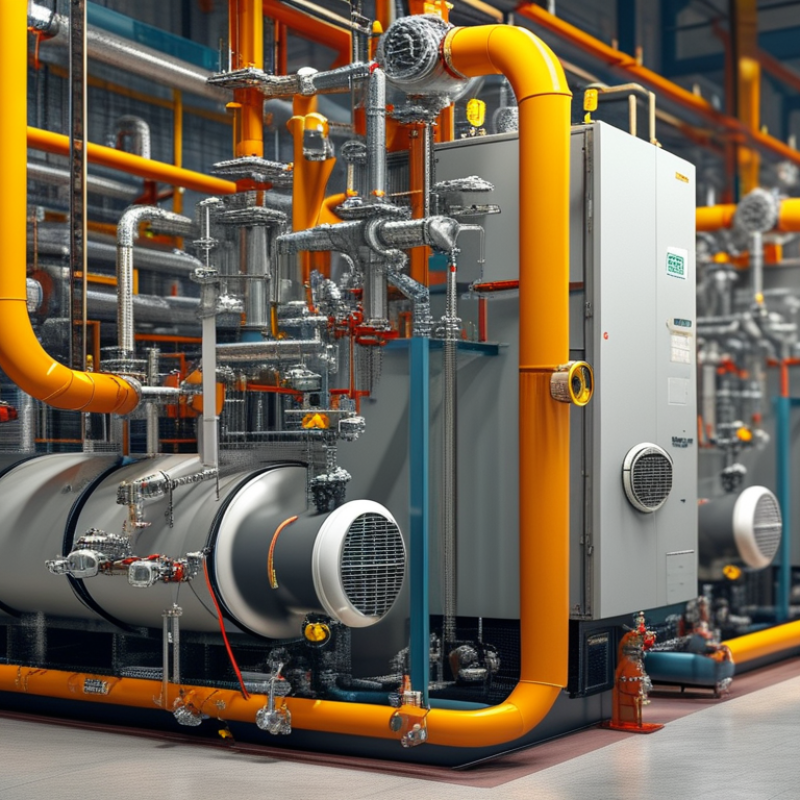
Industrial Oil Boilers: Definition, Components, and Core Operating Principles
Why choose an industrial oil boiler for your business? The answer often depends on fuel access, steam demand, and site conditions. An industrial oil boiler converts liquid fuel into controlled thermal energy. Its main components include a storage tank, fuel pump, burner, furnace, heat exchanger, water system, controls, and chimney.
During operation, the pump sends oil to the burner. The burner atomizes it into fine droplets. Ignition then creates a stable flame inside the furnace. Heat passes through metal tubes or a fire-tube chamber. Water absorbs this heat and becomes hot water or steam. Sensors adjust fuel flow, air supply, pressure, and temperature. A failed adjustment can waste fuel quickly.
The International Energy Agency reports that industry consumes about 37% of global final energy. This makes boiler efficiency a serious operating concern. The IPCC lists residual fuel oil at approximately 77.4 kilograms of carbon dioxide per gigajoule burned. Fuel quality and combustion settings therefore matter. Poor atomization may create smoke, deposits, and unstable flames. Regular nozzle inspection, water treatment, and flue-gas testing reduce these risks. In practice, oil systems can provide dependable high-temperature heat, especially where gas infrastructure is limited. They are not automatically the best choice. Storage space, emissions controls, maintenance skills, and fuel-price changes require careful review. The U.S. Department of Energy also emphasizes combustion tuning and insulation as practical ways to reduce boiler energy losses.
Why Choose an Industrial Oil Boiler for Your Business?
Typical thermal efficiency comparison by industrial boiler design
Industrial oil boilers convert the chemical energy of fuel into hot water or steam through a burner, combustion chamber, heat-transfer surfaces, and flue-gas outlet. Typical thermal efficiency is approximately 80–85% for fire-tube systems, 80–90% for water-tube systems, and 90–95% for condensing systems under suitable operating conditions. Actual performance depends on load, maintenance, fuel quality, excess air, and heat recovery.
How Industrial Oil Boilers Generate Reliable Process Heat
Industrial oil boilers generate process heat through controlled liquid-fuel combustion. A burner atomizes the oil into fine droplets. The flame heats water inside pressure-rated tubes. This produces steam or hot water for drying, washing, molding, and thermal processing.
Heat remains dependable when production demand changes quickly. Automatic combustion controls adjust fuel and air flow within seconds. Properly sized boilers also maintain stable pressure during peak loads. The International Energy Agency reports that industry consumes about 37% of global final energy (IEA, Energy Technology Perspectives 2020). In U.S. manufacturing, process heating represents approximately 51% of total energy use (U.S. Department of Energy, Process Heating Assessment). These figures explain why combustion control matters. Still, an oil boiler is not automatically efficient. Poor atomization, dirty burners, and oversized equipment can waste fuel. That assumption is too simple.
Tips: Measure stack temperature and oxygen regularly. Tune the burner after major load changes. Insulate steam valves, flanges, and exposed pipework. Consider economizers when exhaust heat remains high. Keep a documented maintenance log. Operators often notice small flame changes before sensors do. However, human judgment should support instruments, not replace them. Fuel quality also deserves attention, because water or sediment can disturb combustion. The IEA’s Energy Efficiency 2023 report links stronger energy management with lower industrial energy demand, though actual savings vary by site. Each facility needs its own heat-load test.
Key Business Benefits of Choosing an Industrial Oil Boiler
Why Choose an Industrial Oil Boiler for Your Business?
Key Business Benefits of Choosing an Industrial Oil Boiler
An industrial oil boiler can provide steady heat when production schedules cannot wait. This consistency supports manufacturing, food processing, drying, and other heat-dependent operations. Modern systems can also deliver accurate temperature control, helping reduce product variation and rejected batches.
Fuel flexibility can benefit businesses without reliable gas infrastructure. Oil storage allows planned purchasing and protects operations during supply interruptions. A properly sized boiler may also improve fuel efficiency, especially when connected to insulated pipes, automatic controls, and heat recovery equipment. Smaller facilities should avoid assuming that a larger boiler means better performance.
Operational reliability is another important advantage. Robust components can support long working hours, while trained technicians can identify pressure, burner, and combustion problems early. Regular servicing also helps maintain safe operation and stable output. Maintenance costs are real, though, and they should be included in the original budget rather than treated as an afterthought.
Environmental performance needs careful attention. Businesses should select efficient combustion equipment, monitor emissions, and follow local requirements for fuel storage and boiler operation. A professional assessment should review building space, fuel delivery, ventilation, water quality, and future production needs. These details often reveal hidden installation costs. Oil boilers are not the perfect choice for every site, but they can offer dependable process heat where infrastructure and operating conditions support them.
Fuel Options, Efficiency Factors, and Operating Cost Considerations
Why Choose an Industrial Oil Boiler for Your Business?
Fuel choice strongly affects boiler economics. Light fuel oil offers reliable ignition and simpler storage. Heavy fuel oil can reduce fuel costs, but it often needs preheating and tighter maintenance. Renewable diesel may lower lifecycle emissions, although availability and pricing vary by region. The International Energy Agency reported that industry consumed about 37% of global final energy in 2022. That figure makes fuel selection a serious operating decision, not a minor purchasing detail.
Efficiency depends on more than the boiler’s advertised rating. Regular burner tuning, clean heat-transfer surfaces, insulation, and condensate recovery reduce wasted heat. The U.S. Department of Energy identifies steam leaks, poor insulation, and weak condensate systems as common efficiency losses. A practical site audit should measure stack temperature, oxygen levels, fuel flow, and steam demand. Small readings matter.
A neat spreadsheet can still lie. The U.S. Energy Information Administration shows that distillate fuel prices can change sharply across regions and seasons. Businesses should compare delivered fuel costs, storage expenses, maintenance labor, emissions controls, and downtime risks. A boiler operating at 85% efficiency may be cheaper than a 90% unit when fuel logistics are simpler. That comparison is easy to miss. Operators should also test real demand patterns, because oversized boilers cycle frequently and waste fuel. Payback estimates need honest assumptions, and some assumptions will be wrong.
Safety, Maintenance, and Selection Guidelines for Industrial Oil Boilers
Why Choose an Industrial Oil Boiler for Your Business?
An industrial oil boiler can provide steady heat when production demands reliable temperature control. Its fuel storage also supports operations where gas infrastructure is limited. However, selection should begin with the facility’s actual heat load, not a guessed capacity. An oversized boiler may cycle frequently, waste fuel, and increase maintenance stress. Measure peak demand, operating hours, water quality, chimney conditions, and available space. A qualified engineer should verify these figures before purchase.
Safety depends on disciplined operation. Install fuel leak detection, emergency shut-off controls, ventilation, pressure relief devices, and suitable fire protection. Keep burners, valves, and electrical panels accessible. Maintenance teams should inspect nozzles, filters, flame sensors, insulation, and flue passages on a documented schedule. Soot buildup can reduce efficiency and raise exhaust temperatures. Water treatment also matters, especially where scale forms quickly. A checklist helps, but it is not perfect. Human inspection still catches unusual smells, vibration, and color changes in the flame.
Tips: Compare thermal efficiency, spare-part availability, service support, and control-system compatibility. Keep a simple log of fuel use, pressure readings, faults, and cleaning dates. Train operators to shut down safely, not improvise repairs. Small warning signs matter. During annual servicing, ask an independent professional to test combustion and inspect safety controls. This extra review may reveal problems routine checks miss.