Smart Heating Solutions
Industrial oxygen is not a minor utility. It supports steelmaking, wastewater treatment, glass production, and many other processes. The scale is substantial: the World Steel Association reported 1,888.2 million tonnes of crude steel production worldwide in 2023. Oxygen is central to basic oxygen steelmaking, making reliable supply a production concern, not just a purchasing decision. That is the practical starting point.
An Oxygen Generator can produce oxygen close to where it is used, reducing reliance on scheduled deliveries and onsite storage. Pressure swing adsorption and vacuum pressure swing adsorption systems are common options for industrial supply. Their suitability depends on required purity, flow rate, pressure, and operating hours. A unit that meets average demand may still struggle with sharp production peaks. That detail is easy to miss.
Onsite production is not automatically cheaper or more efficient. Electricity use, maintenance, backup supply, and the cost of downtime all affect the comparison. A plant should review actual consumption records and match equipment capacity to its process requirements. For a useful benchmark, compare the full cost per unit of usable oxygen—not just the generator’s purchase price. The calculation can be messy. It should be. World Steel Association, World Steel in Figures 2024, provides production context; site-specific engineering data must guide the final choice.
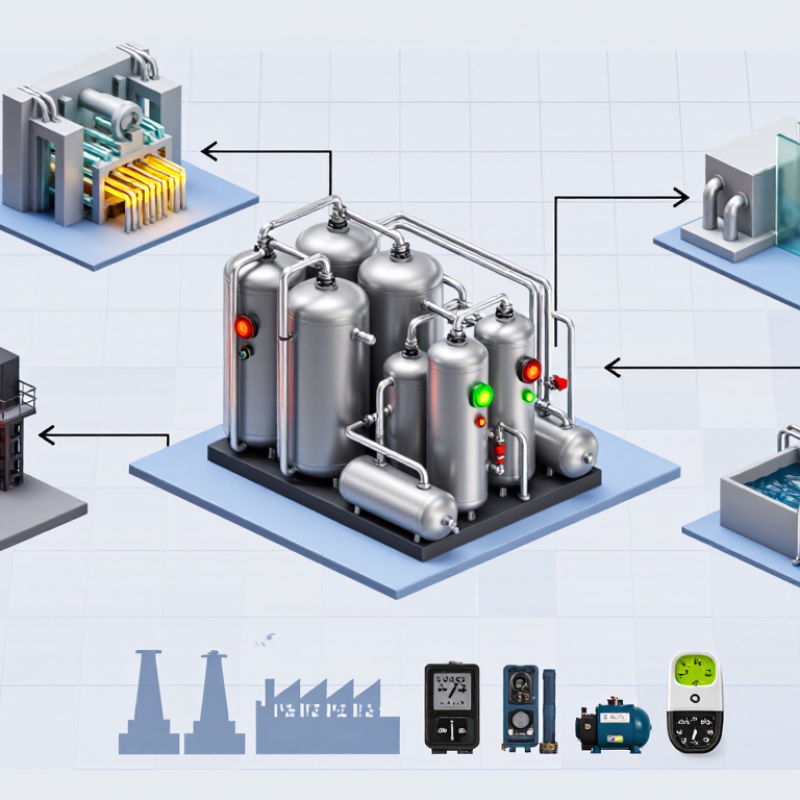
Why Choose an Oxygen Generator for Industrial Use?
Industrial Oxygen Needs and the Role of On-Site Generation
Industrial oxygen supports steelmaking, glass production, chemical processes, and wastewater treatment. Demand can vary sharply: a furnace may need a high, steady flow, while a treatment plant’s oxygen use changes with incoming wastewater. World Steel Association data reports 1.89 billion tonnes of crude steel production in 2023, illustrating the scale of oxygen-dependent industrial activity. In wastewater facilities, U.S. EPA guidance notes that aeration can consume up to 60% of a plant’s energy. These figures do not define every site, but they show why reliable oxygen supply matters.
On-site generators produce oxygen from ambient air, commonly using pressure swing adsorption or vacuum pressure swing adsorption. This can reduce dependence on delivered liquid oxygen and limit delivery scheduling or storage needs. It may also suit facilities with stable, continuous demand. But it is not automatically cheaper. Electricity use, target purity, maintenance, backup supply, and local delivery prices all affect the result. A site assessment should compare actual flow profiles and operating costs, not just equipment specifications.
Tips: Log oxygen flow and purity across a full production cycle before sizing a system. Check peak demand, not only the daily average. Leave room for backup supply; unexpected shutdowns happen.
Sources: World Steel Association, World Steel in Figures 2024; U.S. EPA, Ensuring a Sustainable Future: An Energy Management Guidebook for Wastewater and Water Utilities.
Why Choose an Oxygen Generator for Industrial Use?
How Industrial Oxygen Generators Produce Oxygen
An industrial oxygen generator separates oxygen from ordinary air near the point of use. A compressor draws in ambient air, while filters and dryers remove particles, oil, and excess moisture. Clean, dry air helps protect the separation material and supports steady operation. The equipment can supply oxygen to processes that need a consistent on-site source, though the required flow and purity depend on the application.
Many systems use pressure swing adsorption, or PSA. Compressed air passes through a vessel filled with zeolite, which preferentially captures nitrogen under pressure. Oxygen-rich gas exits the vessel and moves into a storage tank or process line. Then the vessel depressurizes, releasing the trapped nitrogen. A second vessel takes over, allowing the cycle to continue. The process sounds simple. In practice, air quality, pressure, and demand can affect output, so actual performance should be checked against the system’s specifications.
Tips: Keep intake filters and drains on a documented inspection schedule. Watch pressure and oxygen concentration during changing production loads. Small details matter. A neglected dryer or sudden demand spike can affect performance, and not every installation behaves exactly as expected. Verify readings with suitable instruments and consult a qualified technician when results drift.
For facilities that use oxygen every day, producing it on-site can make supply more predictable. A generator draws in ambient air and separates oxygen using a process selected for the required purity and flow. Instead of arranging repeated cylinder deliveries, operators can monitor production near the point of use. No delivery queue.
This can reduce handling, storage needs, and exposure to changing delivery schedules. A beverage plant, wastewater facility, or metalworking shop may value different oxygen specifications, so system sizing should follow actual demand rather than a generic estimate. When consumption is steady, on-site production may also lower the cost per unit over time. The savings are not automatic: electricity, maintenance, filters, and planned downtime belong in the calculation.
Operators can track pressure, purity, and power use from routine readings, then compare them with production records. A clear service plan helps catch declining performance before it interrupts a process. Still, a generator is not a perfect fit for every site. Demand peaks, backup arrangements, and local operating conditions matter. Even a well-sized system needs attention. A careful assessment of daily usage and required oxygen quality is a practical starting point.
| Evaluation Dimension | On-Site Oxygen Generation | Delivered Oxygen Supply |
|---|---|---|
| Oxygen concentration | Pressure swing adsorption (PSA) systems commonly produce oxygen in the 90–95% concentration range. Confirm that the product specification suits the process. | Concentration depends on the delivered product grade and supplier specification. Higher-purity oxygen may be required for processes that cannot use PSA oxygen. |
| Supply and delivery | Produces oxygen at the facility while operating, reducing reliance on scheduled oxygen deliveries. Production capacity is limited to the system’s rated output. | Supply depends on cylinder exchanges or bulk-tank deliveries. Delivery schedules, transport access, and supplier availability are part of the supply plan. |
| Operating costs | Costs typically include electricity, maintenance, and equipment ownership. Generating oxygen on site can reduce recurring delivery, cylinder-rental, or bulk-supply charges, depending on the current supply arrangement and usage. | Costs may include the oxygen price, delivery charges, cylinder rental or tank-related fees, and any applicable surcharges. Actual costs vary by location, supplier, contract, and consumption. |
| Capital investment | Requires upfront investment in generation equipment and installation. A site assessment should account for demand, oxygen specification, electricity, ventilation, and backup requirements. | Usually avoids purchasing an oxygen generator, though storage equipment, site modifications, and service charges may still apply. |
| Continuity planning | Can provide a dependable routine supply when correctly sized and maintained. A buffer tank, alarms, preventive maintenance, and an appropriate backup source help manage outages or peak demand. | Stored cylinders or bulk liquid can provide a reserve, but inventory levels and timely replenishment must be managed to avoid supply interruptions. |
| Storage and handling | Reduces routine handling of delivered cylinders. On-site equipment and any oxygen storage still require suitable installation, operating procedures, and oxygen-compatible materials. | Cylinder systems require cylinder handling and storage; bulk liquid systems require a suitably installed storage tank and safe transfer arrangements. |
| Best-fit conditions | Often worth evaluating for steady, substantial oxygen demand where the required concentration is compatible with the generator and electricity and maintenance are available on site. | May suit lower or variable demand, limited installation space, processes needing a different oxygen specification, or facilities where on-site generation is not practical. |
Note: Concentration, capacity, energy use, and total cost depend on the equipment, process requirements, local utilities, and supply contract. Compare options using actual site demand and verified quotations.
Industrial oxygen generators serve processes that need a steady supply of oxygen-rich gas. In wastewater treatment, operators use oxygen to support biological processes or feed ozone systems. Aquaculture facilities may add oxygen to tanks when stocking densities and water temperatures raise demand. Metal fabrication uses oxygen in cutting and heating, while glassmakers use it to support combustion in furnaces. Each application has different flow and purity requirements.
Oxygen also supports oxidation and reaction control in some chemical and pulp-processing operations. A generator can reduce reliance on delivered cylinders or liquid oxygen, especially where demand is regular and transport is difficult.
That matters. But the best setup depends on the process, not simply the industry. PSA equipment, for example, often produces oxygen at a lower purity than high-purity supply systems; confirm the process specification before comparing options.
Facilities should assess peak flow, required pressure, oxygen purity, power use, maintenance access, and backup supply. For example, a wastewater plant may need more oxygen during seasonal load changes, while a furnace needs stable delivery during production. The numbers can surprise. Real plants are less tidy than planning spreadsheets, and demand may fluctuate. A generator sized only for average use can become a bottleneck; oversized equipment can waste energy and capital. Not every site benefits.
Selecting an industrial oxygen generator starts with the process, not the equipment brochure. List the required oxygen purity, pressure, and flow at each point of use. Include peak demand, shift patterns, and likely expansion.
A furnace may draw oxygen steadily, while cutting equipment creates sharp demand spikes. Size the system for real operating conditions. Average consumption alone can mislead.
Technology matters. Pressure swing adsorption suits many on-site applications, while other processes may fit larger or different demand profiles. Compare guaranteed output at your required purity, not capacity figures quoted under ideal conditions.
Check the feed-air compressor, filtration, cooling, and receiver requirements. Dust, oil, moisture, high temperatures, and altitude can affect performance. Small details count. Ask how purity is monitored and what happens if it falls below the process limit.
Look beyond purchase price. Estimate electricity use, routine filter changes, service access, and the cost of planned downtime. The generator should fit the available floor space, ventilation, and noise limits.
Confirm that operators can read alarms and carry out basic checks without guesswork. A site survey helps uncover awkward pipe routes or weak electrical capacity.
Still, forecasts are imperfect; demand often changes after installation. Leave room for sensible adjustment, and verify performance during commissioning under representative load.