Why Choose a Continuous Carbon Fiber Production Line?
Choosing a Continuous carbon fiber production line can reshape how manufacturers manage speed, consistency, and production costs. Unlike batch-based systems, it supports a steady flow from precursor preparation through stabilization, carbonization, surface treatment, and winding. Each stage must remain synchronized. A small temperature variation can affect fiber strength, surface quality, or final diameter. The equipment is substantial, but the process is measurable.
Experienced production teams value continuous operation because it reduces repeated start-up adjustments and material interruptions. Sensors can track furnace temperature, tension, line speed, and gas conditions in real time. Operators can then respond before minor deviations become expensive defects. This matters when producing reinforcement for aerospace components, automotive parts, pressure vessels, or advanced sporting goods. Stable fiber performance begins with stable process control.
However, a Continuous carbon fiber production line is not an automatic solution. It requires trained technicians, reliable utilities, preventive maintenance, and careful commissioning. Energy consumption may be significant. Facility layout also needs serious planning. These realities are sometimes underestimated. A practical evaluation should compare output targets, precursor compatibility, labor skills, safety systems, and total ownership costs. Supplier documentation, factory testing, and performance records deserve close review. Even strong equipment can underperform when calibration is neglected. The better choice is not always the fastest line. It is the line that delivers repeatable quality, transparent data, and manageable operation over time. That judgment requires evidence, not impressive brochures.
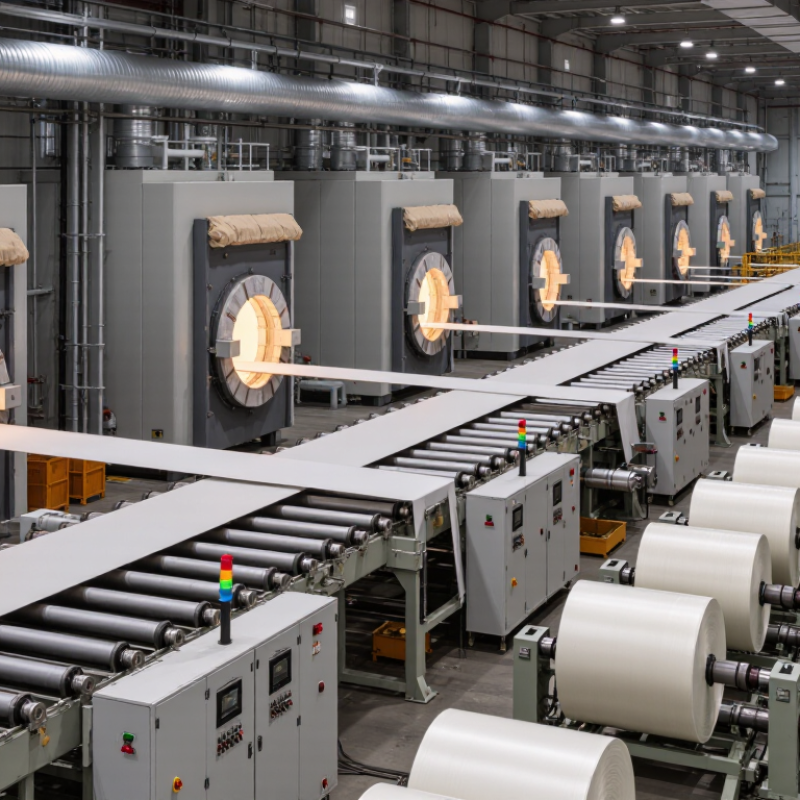
What Is a Continuous Carbon Fiber Production Line?
A continuous carbon fiber production line converts precursor tow into carbon fiber through controlled, connected stages. The tow moves from unwinding and tension control to stabilization, carbonization, surface treatment, sizing, and final winding. Each stage affects tensile strength, diameter consistency, and surface bonding. Unlike batch processing, the line maintains a steady material flow. This supports repeatable output and reduces handling between thermal zones.
Industrial value comes from control, not speed alone. A 2024 Lucintel market analysis estimates the carbon fiber market may grow at about 8% annually through 2030. CompositesWorld’s 2024 State of the Industry report also shows rising demand for advanced composites in mobility, energy, and aerospace applications. These trends increase pressure on producers to improve yield. A small tension error can create fuzz, breaks, or uneven sizing. The line may look automated, but process discipline still matters. That is where many projects become less perfect.
Tips: Track tow tension, furnace temperature, residence time, and line speed together. Use real-time sensors and regular laboratory checks. Do not judge quality from appearance alone. A bright surface can still hide weak bonding. Production teams should validate each thermal zone with pilot trials before scaling. Reports offer useful market direction, but actual performance depends on precursor quality, equipment design, and operator experience.
How Does the Production Process Work Step by Step?
Why Choose a Continuous Carbon Fiber Production Line?
A continuous carbon fiber production line turns precursor material into stable, high-strength fiber through controlled stages. The process begins with creeling, where operators load spools and check tension. Small tension errors can create uneven feeding. The fiber then passes through oxidation ovens under carefully managed heat and airflow. This stage stabilizes the material without melting it. Temperature records and visual inspections help confirm consistent treatment.
Next, the stabilized fiber enters carbonization furnaces with limited oxygen. Heat removes non-carbon elements and forms the fiber’s carbon structure. The line may use several temperature zones for gradual control. After carbonization, surface treatment improves bonding with resins. A washing and drying section removes unwanted residues. The final step applies sizing, which protects the fiber during handling and supports later composite processing. Operators then wind the finished fiber onto packages and test strength, elongation, and appearance.
Tips: Keep furnace temperatures steady and inspect rollers regularly. Clean guides reduce fuzz and broken filaments. Do not rely only on automated alarms; experienced operators often notice subtle changes earlier. Production settings can vary with precursor type and target performance. A practical line should allow adjustments, because perfect stability is difficult in real operation. Record every deviation, even minor ones. It may reveal a maintenance problem before quality declines.
Which Materials and Technologies Are Required?
Why Choose a Continuous Carbon Fiber Production Line?
A continuous carbon fiber line needs carefully selected materials and stable processing technology. PAN-based precursor is widely used because it offers consistent strength and predictable conversion. Pitch-based precursor may provide higher stiffness, but it requires tighter temperature control. The line also needs sizing chemicals, process water, protective gases, and compatible resin systems. Each material affects surface quality, bonding, and final performance.
The equipment usually begins with a creel, tension controllers, and fiber spreaders. These components keep thousands of filaments aligned without excessive breakage. Oxidation and carbonization furnaces then apply controlled heat in stages. Inert gas protection limits unwanted reactions. Surface treatment improves resin adhesion, while sizing protects the fibers during handling. Sensors should monitor temperature, tension, line speed, and gas flow continuously. Small deviations matter.
Downstream systems may include resin impregnation, heated rollers, curing zones, and automatic winding units. Thermoset resin can support rigid composite parts, while thermoplastic resin enables faster reshaping and recycling options. A practical pilot trial often exposes problems that simulations miss, such as uneven spreading or resin-rich edges. No production line is perfectly stable. Operators still need sampling, microscopy, tensile testing, and careful calibration. The difficult part is not adding more machines. It is making every stage work together reliably.
How Should Businesses Evaluate Production Line Options?
Choosing a continuous carbon fiber production line requires more than comparing output rates. Businesses should examine the entire process, from spool handling to final winding. Ask how consistently the line controls fiber tension, resin impregnation, heating, cooling, and pulling speed. Small variations can create dry spots, uneven surfaces, or weak sections. Request production records, not only laboratory results. A supplier should explain test methods, sampling frequency, and batch traceability. Experience matters here. A short trial using your actual fiber and resin can reveal problems that brochures hide.
Evaluation should also include maintainability. Inspect access around heaters, rollers, sensors, and resin tanks. Can technicians replace a worn guide without stopping production for hours? Check alarm history, calibration procedures, spare-part availability, and operator training. Energy use deserves close attention, especially when ovens run continuously. Compare useful output against scrap, startup waste, and planned downtime. The cheapest purchase price may become expensive after six months. Still, a high-specification line is not automatically the best choice. It may demand skills your factory does not yet have.
Use a written scorecard with weighted criteria: stable quality, throughput, safety, service response, expansion capacity, and total ownership cost. Ask for references from facilities using similar materials and volumes. Verify claims through witnessed testing. Leave room for doubt. Some estimates look precise but rely on ideal conditions. Your evaluation should include a difficult week, not only a successful demonstration. Record actual tension stability, heating consistency, defect rates, and changeover time during acceptance trials.
Why Choose a Continuous Carbon Fiber Production Line?
Representative operating benchmarks for comparing a continuous production line with a batch-oriented process.
Continuous lines generally support higher throughput, better equipment utilization, fewer operators per shift, and lower scrap rates. Actual results depend on fiber type, resin system, product geometry, automation level, and plant operating conditions.