| Installation footprint |
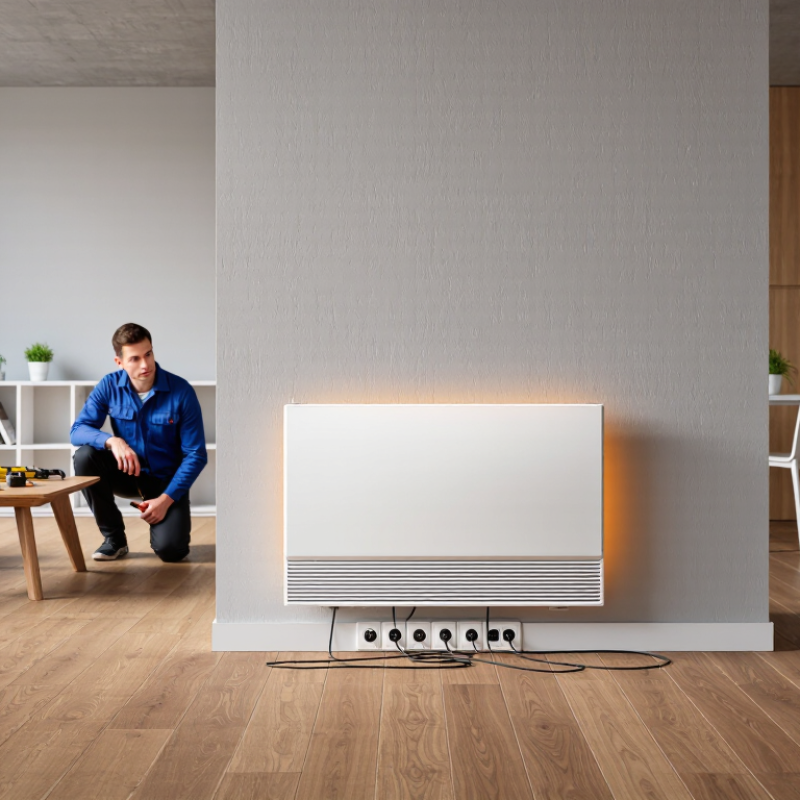
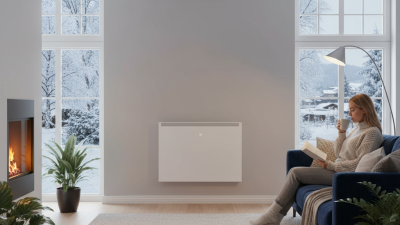
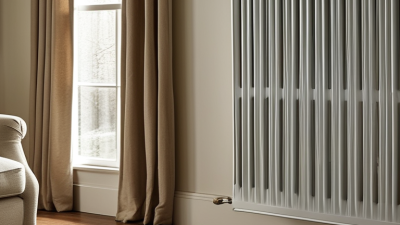
Wall-mounted units use vertical wall space and do not require floor-mounted equipment or hydronic pipework. |
This can preserve usable floor area and simplify room-by-room heating in renovations, modular buildings, offices, and residential spaces. |
Confirm wall construction, fixing points, service access, and clearance from furniture, curtains, doors, and combustible materials. |
| Heating capacity |
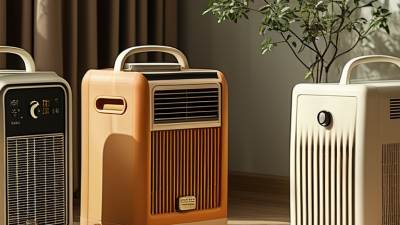
Common electric wall-heater ratings range from approximately 500 W to 2,500 W, although the correct rating depends on heat-loss calculations. |
Selecting capacity by room heat loss helps reduce cold spots, excessive cycling, and unnecessary energy use. |
Calculate heat loss using room area, insulation, glazing, air leakage, outdoor design temperature, and indoor comfort requirements. |
| Electrical load |
Resistive heater current is calculated as I = P ÷ V. For example, a 2,000 W heater draws about 8.7 A at 230 V and about 16.7 A at 120 V. |
The same heating output creates different circuit demands in different electrical systems. |
Verify supply voltage, frequency, circuit capacity, conductor size, overcurrent protection, and local electrical regulations. |
| Voltage and frequency compatibility |
International power systems commonly use nominal voltages from approximately 100 V to 240 V and frequencies of 50 Hz or 60 Hz; heaters are generally designed for a specified supply. |
A heater must not be connected to a voltage or frequency outside its rated range. |
Record the project-country supply characteristics and confirm the heater rating label before procurement and installation. |
| Thermal control |
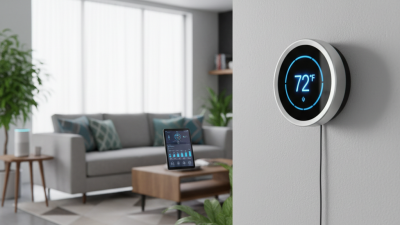
Electronic or mechanical thermostats can regulate room temperature; programmable controls may support schedules and setback periods. |
Room-level control allows different occupancy schedules and reduces heating of unused areas. |
Define the required control method, sensor location, temperature range, and compatibility with building-management systems. |
| Moisture protection |
An IP24 enclosure provides protection against solid objects larger than 12.5 mm and water splashes from any direction. IP44 provides protection against solid objects larger than 1 mm and water splashes from any direction. |
Bathrooms, utility rooms, coastal sites, and other humid locations require an enclosure rating suitable for the installation environment. |
Select the IP rating according to local code, installation zone, splash exposure, condensation risk, and the product installation instructions. |
| Overheating protection |
Thermal cut-outs or resettable overheat protection are commonly used to interrupt power when abnormal temperatures occur. |
Protection helps limit hazards caused by blocked air inlets, covered heaters, dust accumulation, or component faults. |
Do not cover the heater; keep air openings clear and test protective devices according to the service procedure. |
| Clearance and placement |
Required clearances vary by heater design and applicable code; manufacturer instructions take precedence over generic dimensions. |
Adequate clearance supports airflow, prevents surface overheating, and allows safe maintenance. |
Document minimum distances from floors, ceilings, side walls, outlets, wet areas, curtains, furniture, and combustible surfaces. |
| Installation time |
Electric wall heaters generally require mounting, electrical connection, control setup, and commissioning; they do not require water filling, bleeding, or boiler-room pipework. |
Fewer mechanical services can simplify phased construction and room-by-room installation. |
Coordinate electrical rough-in, wall finishes, mounting hardware, access panels, and final functional testing. |
| Routine maintenance |
A practical maintenance schedule is visual inspection and cleaning at least annually, with more frequent cleaning in dusty or high-use environments. |
Removing dust and checking airflow can support reliable heat output and reduce overheating risk. |
Isolate power before service; inspect grilles, wiring, controls, mounting points, corrosion, unusual noise, and signs of overheating. |
| Compliance and certification |
Electrical safety, electromagnetic compatibility, wiring, and bathroom-zone requirements vary by jurisdiction. |
Compliance evidence supports approval, insurance, commissioning, and safe operation across multiple project locations. |
Check required national or regional standards, declarations, test reports, installation manuals, and inspection records. |
| Operating cost |
For direct electric resistance heating, 1 kWh of electricity produces approximately 1 kWh of heat at the point of use. |
Running cost depends mainly on heat demand, operating hours, thermostat settings, electricity tariffs, and building insulation. |
Estimate annual energy use using expected operating hours and local tariffs; compare with other heating systems on a whole-life basis. |
| Replacement and serviceability |
Individual wall-mounted units can usually be isolated and replaced independently, subject to the installation design and local regulations. |
Room-level replacement can reduce disruption compared with servicing a centralized heating network. |
Maintain an asset register with model rating, circuit identification, installation date, test results, and spare-part requirements. |