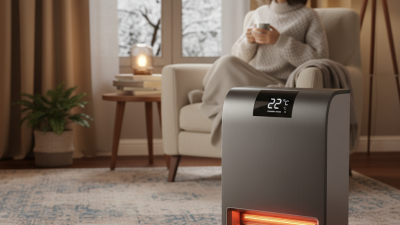
Smart Heating Solutions
Choosing the best commercial electric heater in 2026 is not simply a matter of selecting the highest wattage. A warehouse with open loading doors needs a different solution from a quiet clinic or a low-ceiling retail store. Heating height, insulation, occupancy, electricity capacity, maintenance access, and control systems all influence the final decision.
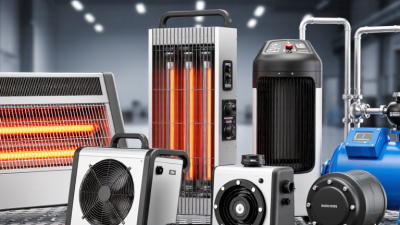
John Barba, a respected heating educator and industry trainer, puts the principle plainly: “Match the system to the building, not the brochure.” That advice remains practical. Infrared heaters can warm people and workstations directly, reducing wasted heat in tall spaces. Fan-forced unit heaters can distribute warmth quickly across workshops and service areas. Electric radiant panels may suit offices where quiet operation and steady comfort matter. There is no universal winner.
Look closely at the details.
A cold draft near a delivery door can defeat an otherwise efficient system. A poorly positioned thermostat can create hot and cold zones. Smart controls may reduce unnecessary runtime, but only when sensors are installed correctly. Energy monitoring also helps facility managers compare real operating costs instead of trusting marketing estimates.
This is where experience matters. The “most efficient” commercial electric heater on paper may perform poorly in a badly insulated building. I have seen specifications appear convincing until real occupancy changed the heat demand. That possibility deserves honest attention. A reliable 2026 choice should balance efficiency, comfort, installation limits, serviceability, and total ownership cost. The best answer is usually specific, measured, and slightly less exciting than the brochure promises.
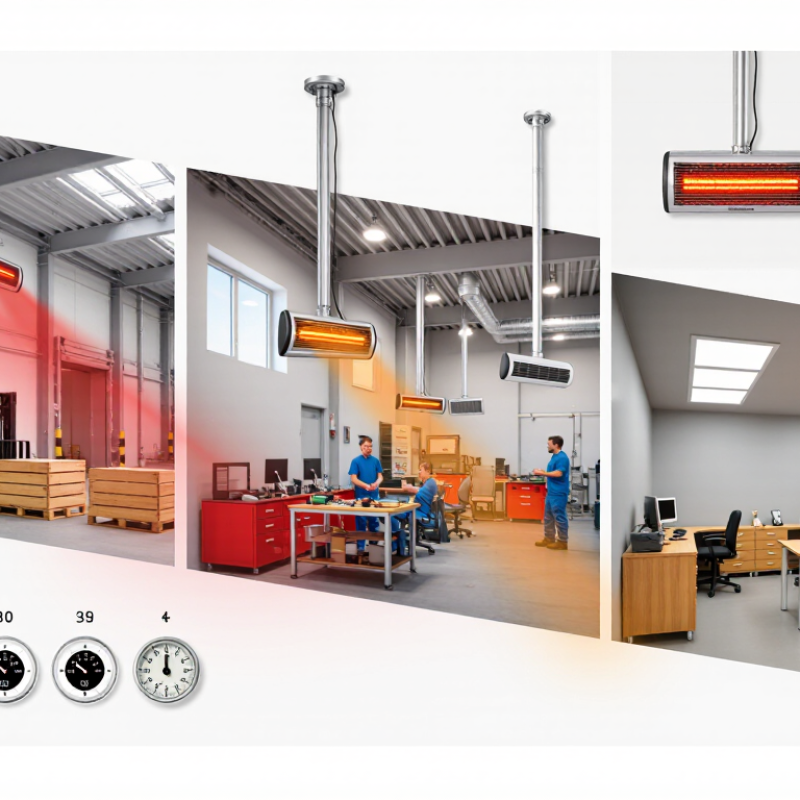
The best commercial electric heater in 2026 depends on the load, space, runtime, and working conditions. A compact office may need quiet convection heating, while a warehouse often benefits from fan-forced air movement. Infrared heating can suit open areas where people need warmth quickly, without heating every cubic meter.
Start with the electrical load. Check voltage, amperage, circuit capacity, and available power before choosing output. A 240-volt unit may deliver stronger performance with lower current than a similar 120-volt model. Still, an oversized heater can cause short cycles, uneven temperatures, and unnecessary energy use. Bigger is not always better.
Measure the space carefully. Ceiling height, insulation, doors, drafts, and machinery all affect heat loss. Consider runtime too. For long daily operation, choose durable heating elements, accurate controls, protected wiring, and accessible filters or service panels. Commercial duty also means surviving dust, vibration, repeated starts, and staff adjustment. A busy workshop needs different protection than a clean retail room. Field experience shows that installation quality often matters as much as heater type. An excellent unit performs poorly when airflow is blocked or the thermostat sits near a cold doorway. My own choice would be cautious: calculate the load, observe the space during its coldest hours, and leave room to question the first estimate.
Resistance heaters remain a practical choice for commercial buildings in 2026. They convert nearly all incoming electricity into heat at the installation point. This is known as 100% site efficiency. It does not mean the lowest total energy cost, because power generation and transmission losses occur elsewhere. That distinction matters when comparing heating systems.
Their strongest advantage is simple zonal control. A warehouse office, reception desk, restroom, and storage room rarely need identical temperatures. Individual thermostats can heat occupied areas while unused zones stay cooler. In practice, this reduces overheating and improves comfort near doors, loading bays, and poorly insulated corners. Wall-mounted units, ceiling panels, and electric baseboards can serve different layouts. Each option needs correct sizing.
Tips: Measure room dimensions, insulation, ceiling height, and door openings before selecting capacity. Use programmable thermostats or occupancy sensors where schedules change. Keep furniture, cartons, and curtains clear of heating surfaces. Ask a qualified electrician to verify circuit capacity, grounding, controls, and local code requirements. A small mistake in load calculations can create nuisance trips or uneven heat. I have seen “easy” installations become expensive after circuits were stretched too far. Resistance heating is not perfect, especially in large, continuously occupied spaces. Still, its clean control logic, quiet operation, and limited maintenance can be valuable when each zone has a clear purpose.
Resistance heaters convert essentially all consumed electricity into heat at the installation point, giving them 100% site efficiency and straightforward zonal control. The comparison values below are representative rated or seasonal efficiencies: gas systems are shown using AFUE, while heat pumps are shown as seasonal efficiency equivalents based on typical COP ranges.
The 30–50% energy-saving claim needs a site test. It is not a universal result. The International Energy Agency reports that buildings use about 30% of global final energy, making operating controls increasingly important. ASHRAE guidance also recognizes the value of radiant heating in targeted comfort zones. However, infrared efficiency depends on mounting height, insulation, air movement, thermostat settings, and occupied hours.
Measure one comparable area before installation. Record heater electricity, outdoor temperature, floor area, shift hours, and occupancy every 15 minutes. Use a power meter, not a utility bill alone. A practical trial might compare six weeks of baseline data with six weeks of infrared operation. Include the same production schedule where possible. A 30% reduction may be genuine. It may also reflect warmer weather, fewer shifts, or imperfect controls.
Test empty periods carefully. Setback controls should reduce output when workers leave, while preserving safe restart times. Keep an occupied comfort range, such as 18–21°C, and log complaints beside energy data.
Small flaws matter. A poorly aimed emitter can create a warm patch near one workstation while leaving another uncomfortable. DOE commercial-building guidance consistently emphasizes schedules, zoning, and controls; heater type alone rarely determines total savings.
What Is the 2026 Best Type of Commercial Electric Heater?
For 2026, commercial buyers should examine heat pumps before choosing conventional resistance heaters. Their main advantage is efficiency: a COP of 2 means two units of heat for one unit of electricity. A COP of 4 can deliver four units under favorable conditions. That is not a constant rating. Outdoor temperature, coil cleanliness, airflow, and defrost cycles can change it. In a busy warehouse, these details affect monthly energy bills. The best type depends on the building.
Cold weather exposes the important weakness. As outdoor temperatures fall, a heat pump may lose heating capacity and operate less efficiently. A unit rated at 100 kW in mild conditions may provide far less during a freezing morning. Manufacturers publish low-temperature data, but buyers should verify test conditions. Ask for capacity at the actual design temperature, not only the headline COP. Check electrical demand during defrost. It can surprise you. Some facilities pair heat pumps with resistance backup or another approved heat source. This improves reliability, but adds equipment cost.
A practical evaluation starts with hourly load data, utility rates, and door-opening patterns. A loading dock needs different control than a sealed office. Qualified installers should measure supply-air temperature, refrigerant performance, and filter pressure after commissioning. Small errors matter. Poor controls can force backup heat too often. Early estimates can also be wrong when weather patterns change. I would treat projected COP as a range, not a promise. That approach is less exciting, but more credible.
| Heating technology | Typical COP at rated conditions | Cold-weather performance | Approx. electrical output per 1 kWh input | Commercial strengths | Main limitations |
|---|---|---|---|---|---|
| Air-source heat pump | 2.0–4.0 | Capacity and COP decline as outdoor temperature falls; capacity may be about 20–40% lower at 5°F than at 47°F, depending on equipment and conditions. | 2.0–4.0 kWh of heat | Usually the lowest operating energy use among common all-electric options; can provide cooling in summer; suitable for zoned or packaged commercial systems. | Higher upfront cost; defrost cycles use energy; backup heat or supplemental capacity may be needed during design-cold conditions. |
| Cold-climate air-source heat pump | Approximately 1.5–3.0 at 5°F; higher at milder temperatures | Designed to operate at low outdoor temperatures, commonly to approximately −15°F to −22°F, but delivered capacity still falls below mild-weather ratings. | 1.5–3.0 kWh of heat at 5°F | Better winter capacity retention than standard air-source units; can reduce reliance on electric resistance backup in cold regions. | Must be selected using low-temperature capacity data, not only nominal ratings; cold-weather efficiency and capacity vary by model and installation. |
| Ground-source heat pump | 3.0–5.0 | Ground temperature is more stable than outdoor air, so seasonal capacity and COP generally vary less in winter. | 3.0–5.0 kWh of heat | High seasonal efficiency; reduced exposure to extreme outdoor-air temperatures; can support large facilities when site conditions are suitable. | Drilling or trenching increases installation cost and requires adequate land, permitting, and geological suitability. |
| Electric resistance heater | Approximately 1.0 | Heat output remains essentially constant if electrical supply is maintained; no outdoor-temperature capacity loss. | About 1.0 kWh of heat | Low equipment cost; simple controls; fast installation; useful for supplemental, emergency, or small-zone heating. | Typically uses two to four times more electricity than a heat pump producing the same useful heat under favorable conditions. |
| Electric boiler with hydronic distribution | 0.90–1.00 | Heat-generation capacity is stable, although distribution losses and pipe-freeze protection must be considered. | 0.90–1.00 kWh of heat at the boiler | Works with hot-water heating zones; quiet operation; useful where an existing hydronic network is available. | High electricity consumption compared with heat pumps; requires pumps, valves, expansion control, and maintained water circuits. |
| Electric infrared or radiant panel | Approximately 1.0 | Radiant output does not materially decline with outdoor temperature, but whole-building performance depends on insulation, air leakage, and occupied-zone control. | About 1.0 kWh of radiant heat | Useful for spot heating, high-ceiling areas, intermittent occupancy, and zones where heating the entire air volume is inefficient. | Not generally the most economical choice for continuous whole-building heating; surface temperatures and layout require careful design. |
For 2026, the best commercial electric heater is rarely the cheapest unit. A reversible air-source heat pump often leads when outdoor temperatures, electrical tariffs, and building loads are favorable. The U.S. Department of Energy reports that heat pumps can deliver two to four times more heat than the electricity they consume. However, cold climates may require supplemental heat. That detail changes the decision.
Apply ASHRAE 90.1-2022 before selecting equipment. The standard emphasizes heating controls, automatic temperature adjustment, equipment efficiency, and energy monitoring. Confirm the locally adopted edition, because requirements differ by jurisdiction. A packaged heat pump suits open offices. Electric resistance works better for small, lightly used rooms. Infrared radiant panels can heat occupied zones directly, reducing unnecessary air heating. ASHRAE does not declare one universal winner.
Safety requires more than a thermostat. Check branch-circuit capacity, conductor temperature, overcurrent protection, equipment clearance, surface temperature, and automatic high-limit shutoff. Add occupancy sensing where spaces are intermittent. The International Energy Agency reports that buildings consume about 30% of global final energy, making control errors expensive. Life-cycle costing should include demand charges, seasonal efficiency, filter replacement, compressor service, controls, and disposal. A five-year payback may look attractive, yet a failed compressor during a cold week can disrupt operations. I would not ignore resistance heat entirely; its simplicity is useful, but its operating cost can punish careless scheduling.