Smart Heating Solutions
10 Best Electric Space Heaters for Home and Office?
Choosing the right heater can change how a room feels within minutes. A cold home office, drafty bedroom, or chilly reading corner needs more than raw heat. It needs steady performance, sensible controls, quiet operation, and dependable safety features.
This guide examines 10 best electric space heaters for home and office use through practical, everyday criteria. Each model is considered for heating coverage, thermostat accuracy, energy use, noise, portability, and control design. Small details matter. A stable base helps on hard floors, while a long cord can prevent awkward extension-cord placement. A clear display is also valuable when adjusting settings during a dark morning.
Safety remains central. Look for overheat protection, tip-over shutoff, durable construction, and appropriate regional certification. Keep heaters away from curtains, bedding, paper, and wet areas. Never treat a portable heater as a substitute for proper building heating or ventilation.
The ranking is useful, but not perfect. Room insulation, ceiling height, and personal comfort can change the results. A quiet ceramic heater may suit a nursery, while an infrared model may feel better beside a desk. My preferences may also favor simplicity over smart features. That choice is debatable. Still, the comparisons aim to offer clear, experience-based guidance for warmer, safer indoor spaces.
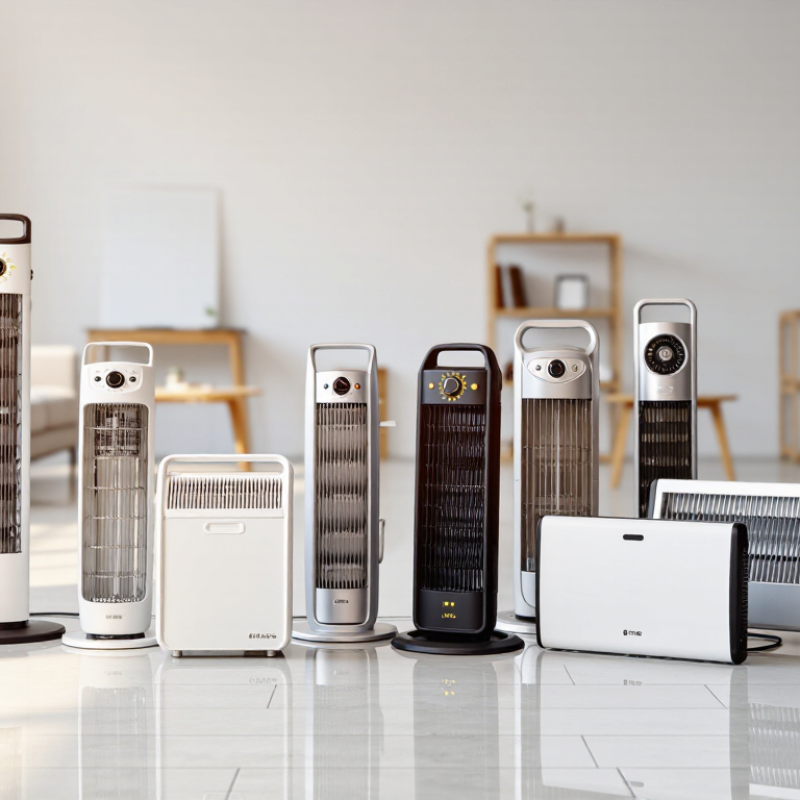
Electric Space Heater Types Explained: DOE’s 100% Point-of-Use Efficiency Standard
10 Best Electric Space Heaters for Home and Office?
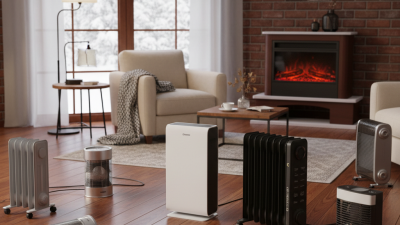
Electric space heaters differ mainly in how they distribute warmth. Convection models warm moving air, while radiant heaters target desks, chairs, and nearby people. Fan-assisted units heat rooms faster, but their airflow can feel dry or noisy. Oil-filled designs respond slowly, yet they release steady warmth after switching off. In daily use, placement matters more than many product lists suggest. A heater under a desk may warm your legs, while a corner unit may waste heat against a wall.
DOE’s 100% point-of-use efficiency standard means electric resistance heaters convert nearly all consumed electricity into heat at the device. This does not mean electricity generation and transmission are 100% efficient. It also does not guarantee equal comfort or lower bills. A thermostat can reduce unnecessary cycling, but poor insulation still lets warmth escape through windows and door gaps. That distinction is easy to miss.
Tips: Keep the heater on a level, clear surface, at least three feet from curtains, bedding, and furniture. Choose automatic shutoff and overheat protection for bedrooms or offices. Match wattage to room size, and avoid using extension cords unless they are specifically rated for the load. I still check the plug after an hour; warmth, looseness, or discoloration deserves attention. No heater is perfect.
10 Best Electric Space Heaters for Home and Office? - Electric Space Heater Types Explained: DOE’s 100% Point-of-Use Efficiency Standard
| No. | Heater Type | Typical Rated Power | Typical Heat Output | Best Use | Typical Coverage | Main Advantages | Important Limitations | Common Safety Features |
|---|---|---|---|---|---|---|---|---|
| 1 | Ceramic Fan Heater | 750–1,500 W | About 2,560–5,120 BTU/h | Fast personal heating in bedrooms, home offices, and small rooms | Approximately 100–300 sq. ft., depending on insulation and climate | Heats quickly; compact; usually includes adjustable thermostat and multiple heat settings | Fan noise; airflow can feel dry; less suitable for large or poorly insulated spaces | Overheat protection, tip-over shutoff, cool-touch housing, and a grounded plug on many models |
| 2 | Oil-Filled Radiator | 600–1,500 W | About 2,050–5,120 BTU/h | Quiet, steady heating in bedrooms, nurseries, and offices | Approximately 150–300 sq. ft. | Nearly silent; retains heat after switching off; no exposed glowing element | Slow warm-up; heavy; surface remains hot; not ideal for rapid spot heating | Thermal cutoff, tip-over shutoff, adjustable thermostat, and reinforced power cord |
| 3 | Infrared Radiant Heater | 600–1,500 W | About 2,050–5,120 BTU/h | Direct personal warmth in drafty rooms, workshops, and seating areas | Approximately 100–300 sq. ft.; strongest effect within line of sight | Provides immediate radiant warmth; quiet operation; useful for spot heating | Room air may remain cool; heating is directional; front surfaces can become very hot | Tip-over shutoff, overheat protection, protective grille, and automatic timer on some models |
| 4 | Convection Panel Heater | 500–1,500 W | About 1,700–5,120 BTU/h | Supplemental whole-room heating in offices, bedrooms, and living areas | Approximately 150–300 sq. ft. | Quiet operation; slim profile; distributes heat gradually through natural air movement | Slower than fan heaters; performance depends on room insulation and air circulation | Overheat protection, wall-mount hardware on some models, thermostat, and timer controls |
| 5 | Baseboard-Style Portable Heater | 750–1,500 W | About 2,560–5,120 BTU/h | Low-level, quiet supplemental heat along a wall or beneath a window | Approximately 150–300 sq. ft. | Quiet; broad heat distribution; low center of gravity can improve stability | Long housing requires floor space; airflow is limited; grilles must remain unobstructed | Thermal cutoff, tip-over protection where applicable, cool-touch controls, and thermostat |
| 6 | Micathermic Heater | 750–1,500 W | About 2,560–5,120 BTU/h | Quiet heating for small and medium rooms where both radiant and convection heat are desired | Approximately 150–300 sq. ft. | Combines radiant warmth with natural convection; typically lightweight and fan-free | Can have hot surfaces; limited benefit in very large rooms; slower than forced-air designs | Overheat protection, tip-over shutoff, thermostat, and automatic power interruption |
| 7 | Compact Personal Heater | 200–750 W | About 680–2,560 BTU/h | Heating one person at a desk or workstation | Approximately 25–100 sq. ft. of personal area | Lower electrical demand; small footprint; convenient for close-range use | Not intended to heat an entire room; must be kept clear of papers, fabrics, and furniture | Tip-over shutoff, overheat protection, enclosed heating element, and short automatic timer on some models |
| 8 | Bathroom-Rated Portable Heater | 750–1,500 W | About 2,560–5,120 BTU/h | Short-term heating in damp areas only when specifically designed and approved for that environment | Approximately 50–150 sq. ft. | Rapid warm-up; compact; may include a dedicated low-power setting | Must never be placed in water or used where prohibited; ordinary indoor heaters are not suitable for wet locations | Ground-fault protection where required, tip-over shutoff, overheat protection, and splash-resistant construction on approved models |
| 9 | Electric Fireplace-Style Heater | 750–1,500 W | About 2,560–5,120 BTU/h | Supplemental heating and visual ambiance in living rooms and sitting areas | Approximately 150–300 sq. ft. | Decorative appearance; thermostat and flame-effect controls can operate independently on many units | Larger footprint; decorative flame does not increase heat output; not a replacement for central heating | Overheat protection, tip-over shutoff on portable units, cool-touch controls, and automatic shutoff timer |
| 10 | High-Output Workshop Heater | 1,500–5,000 W | About 5,120–17,060 BTU/h | Garages, workshops, utility areas, and large spaces with an appropriate electrical circuit | Approximately 300–1,000 sq. ft., depending on insulation, ceiling height, and climate | Higher heat output; forced air can distribute warmth across larger areas | May require a dedicated circuit or hardwiring; fan noise; unsuitable for ordinary household outlets at higher ratings | Thermal cutoff, guarded heating element, secure mounting, thermostat, and circuit protection installed according to instructions |
BTU conversion: Heat-output estimates use 1 watt = 3.412 BTU/h and represent maximum electrical input converted to heat under normal operation.
Related Posts
-
Why You Should Choose a Portable Electric Heater for Your Winter Comfort
-
How to Choose the Best Electric Shop Heater for Your Space
-
How to Choose the Best Electric Heater for Your House?
-
How to Choose the Best Electric Room Heater for Your Needs?
-
How to Choose the Best Wall Mounted Electric Heater for Your Home?
-
Top 10 Benefits of Wall Mounted Electric Heaters for Home Heating Solutions?