What Is the Best Plug In Heater for a Room?
Choosing the best plug in heater for a room is not simply a matter of picking the highest wattage. Room size, insulation, outlet condition, thermostat accuracy, and daily habits all affect the result. A compact bedroom may need gentle, steady warmth. A drafty garage conversion may need stronger circulation. The quietest model can still disappoint if heat barely reaches the far corner.
John Drengenberg, a longtime consumer safety expert at UL Solutions, advises, “Always plug a space heater directly into a wall outlet.” That short warning matters. Extension cords, overloaded power strips, curtains, bedding, and unstable floors can create serious risks. A reliable plug in heater for room use should include overheat protection, a tip-over switch, clear controls, and a certified safety label. It should also sit on a hard, level surface, with open space around it.
This guide compares ceramic, oil-filled, infrared, and fan-assisted designs. It looks at warmth, noise, energy use, controls, portability, and practical safety. Marketing claims can sound convincing. They are not always useful in a real room. A heater advertised as “fast” may cycle loudly. An energy-saving mode may feel weak during a cold morning. There is no perfect choice for every household. The best decision depends on your room, routine, and willingness to monitor the appliance. Even careful buyers can overlook one detail: a heater is only as safe as its placement and daily use.
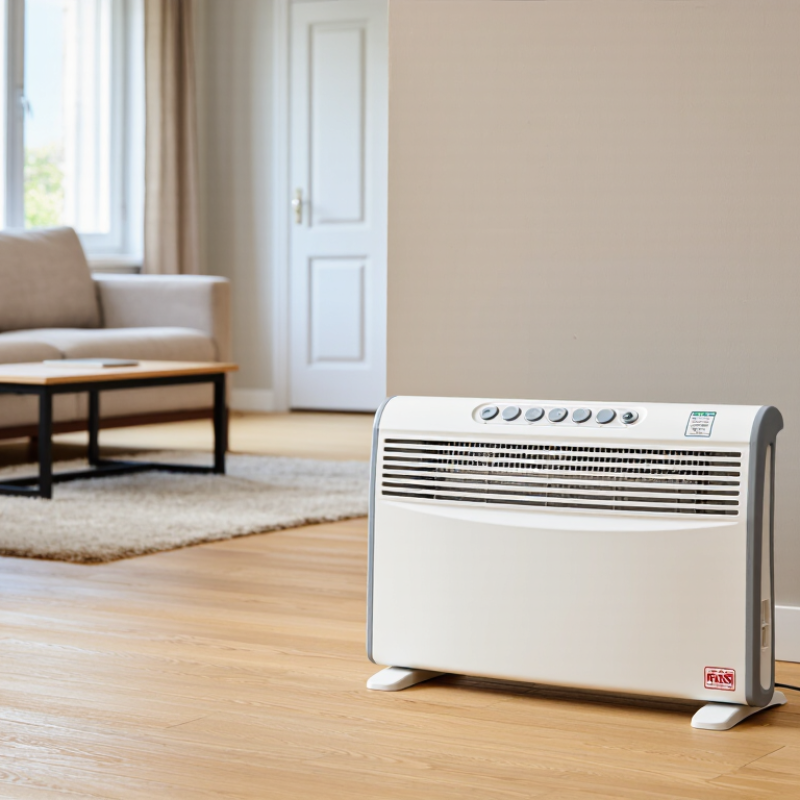
What Is a Plug-In Room Heater and How Does It Work?
A plug-in room heater is a compact appliance that converts household electricity into heat. It connects directly to a wall outlet and warms a limited area, rather than an entire home. Most models use electrical resistance, where a heating element becomes hot as current passes through it. A fan may push air across the element and spread warmth around the room.
Some heaters use ceramic elements, while others heat oil-filled chambers or radiate warmth toward nearby objects. The control system usually includes a thermostat, which switches heating on and off to maintain a selected temperature. My practical mistake was treating the thermostat number as perfectly accurate. Room drafts, furniture, and sensor placement can change the actual comfort level.
Placement matters.
Keep the heater on a stable, nonflammable floor with clear space around its vents. A direct wall outlet is safer than an extension cord, especially because portable heaters can draw substantial current. Look for overheat protection, tip-over shutoff, a grounded plug, and certification from a recognized safety-testing organization. Never cover the unit or place clothing nearby.
In a bedroom, I would check the plug, cord, and outlet for warmth during use. Unusual heat, buzzing, or a burning smell deserves immediate attention. A lower setting may feel slower, but it often provides steadier comfort and reduces electrical demand.
How Do Different Plug-In Heater Types Compare?
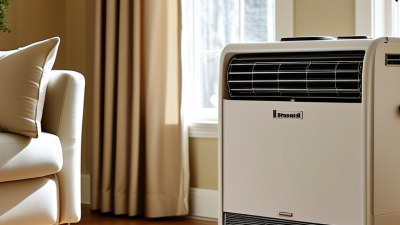
The best plug-in heater depends on how the room is used, not only its advertised wattage. Ceramic fan heaters warm a small space quickly, making them useful beside a desk or sofa. Their airflow feels immediate, but the fan can disturb sleep and spread dust. They also cool down soon after switching off. Check the thermostat carefully, because some low-cost controls fluctuate noticeably.
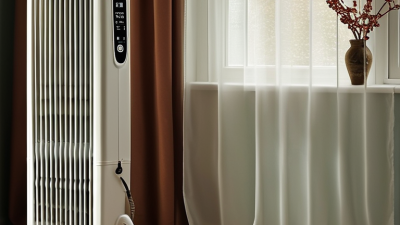
Oil-filled radiators heat more slowly, yet they provide steadier warmth with almost no operating noise. Their surface stays hot for a while, so placement matters around children, pets, and curtains. They are heavier, but the weight makes accidental movement less likely. Infrared heaters work differently. They warm people and nearby surfaces directly, rather than heating all the air first. This feels comfortable across a short distance, although cold corners may remain chilly.
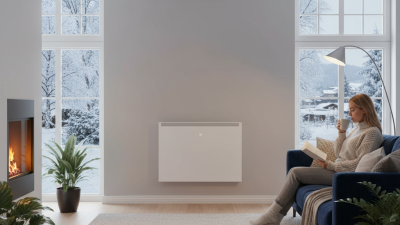
For a drafty room, a fan heater may waste comfort by pushing warm air toward gaps. An infrared model can feel better at a fixed seat. For several hours of quiet heating, an oil-filled design is usually easier to tolerate. Every electric heater converts nearly all consumed electricity into heat, so lower running costs mainly come from shorter use, better insulation, and accurate controls. Measure the room, inspect the plug and cable, and leave clear space around the heater. I would not trust a heater that smells strongly after repeated use. That detail deserves attention.
What Is the Best Plug In Heater for a Room? - How Do Different Plug-In Heater Types Compare?
Typical characteristics are based on commonly available residential plug-in heaters. Actual performance depends on room size, insulation, outdoor temperature, ceiling height, and thermostat settings.
| Heater Type |
Common Power Range |
How It Heats |
Typical Warm-Up |
Noise Level |
Best For |
Main Limitation |
| Fan-Forced Ceramic |
750–1,500 W |
An electric heating element warms air, while a fan distributes it around the room. |
Fast |
Moderate; fan noise is continuous while heating. |
Quick spot heating, home offices, bedrooms, and small living spaces. |
Airflow can stir dust and may feel drafty; the fan may be unsuitable for very quiet rooms. |
| Infrared / Radiant |
400–1,500 W |
Radiant energy warms people and nearby surfaces directly rather than primarily heating the air. |
Very fast in the direct heating zone |
Nearly silent |
Personal heating, seating areas, and rooms used intermittently. |
Heating is directional; areas outside the radiant path may remain cool. |
| Oil-Filled Radiator |
600–1,500 W |
An electric element heats sealed oil, which transfers heat gradually to the metal fins and surrounding air. |
Slow to moderate |
Nearly silent; occasional thermostat clicks are possible. |
Steady, quiet heating for bedrooms, nurseries, and longer operating periods. |
Bulky and slower to change room temperature; the surface remains hot after shutdown. |
| Micathermic |
750–1,500 W |
A thin heating element produces both radiant heat and natural convection. |
Moderate to fast |
Nearly silent |
Quiet whole-room comfort where low noise and a slim profile matter. |
Large exposed surfaces can become hot; availability and construction vary. |
| Convector / Panel |
500–2,000 W |
An electric element warms air that rises naturally through the heater; some models add a fan. |
Moderate |
Silent without a fan; low to moderate with a fan. |
Longer-duration background heating and rooms where a slim design is preferred. |
Natural convection is slower and may create temperature differences between floor and ceiling. |
Best for Fast Warm-Up
Fan-forced ceramic heaters generally deliver warm air more quickly than oil-filled or natural-convection models.
Best for Quiet Operation
Infrared, oil-filled, micathermic, and fan-free panel heaters are typically quieter than fan-based designs.
Best General Choice
A thermostat-controlled 1,500-watt heater with tip-over protection and overheat protection is a practical option for many small rooms.
Safety note: Plug portable heaters directly into a suitable wall outlet rather than an extension cord or power strip. Keep the heater at least 3 feet (0.9 meters) from bedding, curtains, furniture, and other combustible materials, and never leave it operating unattended or while sleeping.
What Size Plug-In Heater Is Suitable for Your Room?
Choosing the best plug-in heater begins with your room’s size, not the heater’s appearance. Measure the floor area by multiplying its length by its width. A practical starting point is about 10 watts per square foot in a normally insulated room. A 120-square-foot bedroom may therefore need roughly 1,200 watts. Rooms with poor insulation, tall ceilings, large windows, or cold exterior walls may need more. Small rooms vary.
In practice, a 1,500-watt heater can warm many medium-sized rooms, but it may use most of a standard household circuit. A 750- or 1,000-watt model may suit a compact office or well-insulated bedroom. Check the heater’s manual and your outlet rating before choosing. I would not rely on wattage alone. Drafts can make a correctly sized heater feel weak, while an oversized unit may cycle frequently and waste energy. A built-in thermostat helps maintain steadier warmth. Overheat protection and tip-over protection are essential safety features. Keep the heater on a level, uncovered surface, away from curtains and bedding. Plug it directly into the wall, not a power strip or extension cord. Recheck the room after an hour. Some estimates are imperfect.
What Is the Best Plug-In Heater for a Room?
For a quick sizing estimate, use approximately 100 watts per square metre of room area. Actual heating needs vary with insulation, ceiling height, outdoor temperature, windows, and climate. Most household plug-in heaters provide up to about 1,500 watts on a standard 120-volt circuit.
How to use this chart: A room of approximately 15 m² may need about 1,500 watts under average conditions. Rooms requiring more than 1,500 watts may need improved insulation, more than one safely separated heating circuit, or a permanently installed heating solution.
How Can You Use a Plug-In Heater Safely and Efficiently?
The best plug-in heater for a room is not necessarily the hottest model. It should match the room size, outlet capacity, and daily routine. A compact heater with an adjustable thermostat can maintain comfort without running continuously. Check its rated wattage before buying. A 1,500-watt heater draws significant current, so use a suitable, undamaged wall outlet. Keep the heater on a level, hard surface. Never place it on a bed, sofa, or thick rug. Small details matter.
Leave at least three feet of space around the heater, especially near curtains, bedding, paper, and clothing. Plug it directly into the wall. Avoid extension cords, power strips, and loose adapters. Keep the cord flat and away from walking paths. Do not use the heater in damp areas unless the instructions specifically allow it. Turn it off before sleeping or leaving the room. It sounds obvious. People still forget.
For efficient heating, close doors and windows, then set the thermostat to a moderate temperature. Use a timer when practical, but do not rely on it as the only safety measure. Keep air inlets clear and remove dust after unplugging the unit. A clean inlet supports steady airflow and reduces overheating risk. I would not assume every “energy-saving” claim fits every room. Room insulation, ceiling height, and drafts can change results. A simple thermometer can reveal whether comfort is real or just temporary warmth.