Why Choose Small Heaters for Your Home or Office Needs?
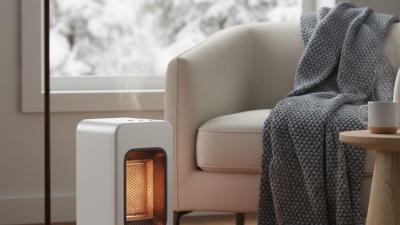
Heating your home or office can be challenging, especially in cold weather. Small heaters are a popular choice for many. They offer targeted warmth and are often energy-efficient. These devices can easily fit into small spaces, providing comfort where needed most.
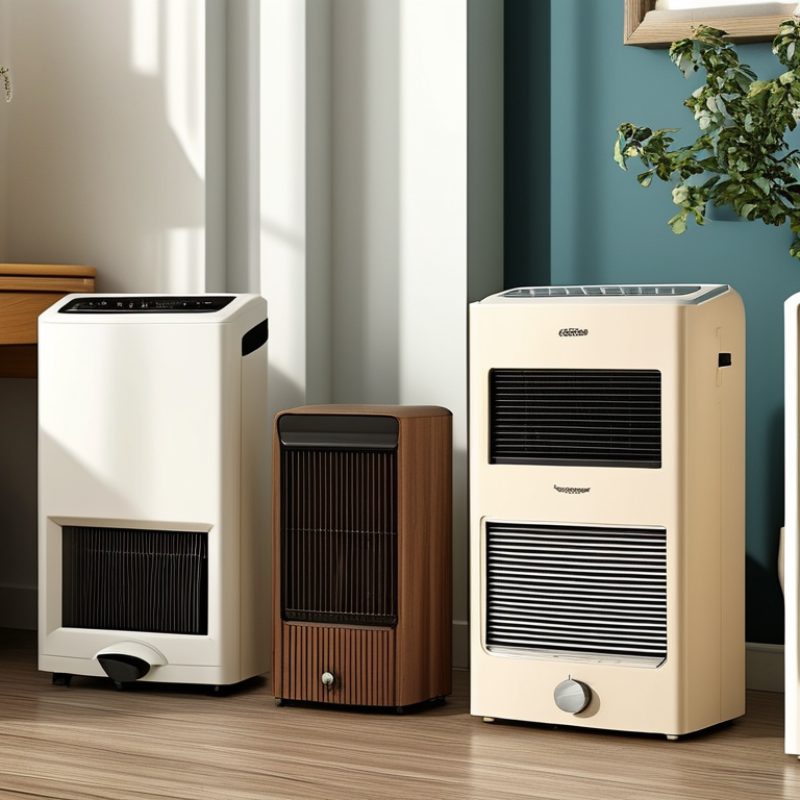
Small heaters come in various styles and sizes. They can be used in rooms, offices, or workshops. Their portability allows you to move them around as needed. This flexibility can help you save on overall heating costs. However, not all small heaters are created equal. When choosing one, consider safety features and energy ratings.
The convenience of small heaters is undeniable, but they may have limitations. Some may not warm large spaces effectively. Others might require regular maintenance to perform well. Careful consideration is essential for making the best choice for comfort and efficiency. With the right information, you can find the perfect small heater for your needs.
Benefits of Using Small Heaters for Energy Efficiency in Homes
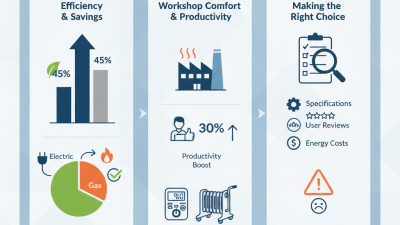
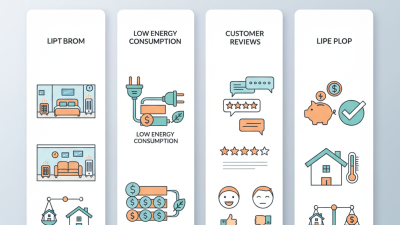
Small heaters have gained attention for their energy efficiency in homes and offices. A report from the U.S. Department of Energy states that space heating accounts for about 42% of energy consumption in residential buildings. By choosing smaller, more efficient heating options, individuals can significantly reduce their energy bills. These heaters tend to use less energy and can be strategically placed in occupied rooms, ensuring comfort where it is most needed.
Using small heaters can also help minimize heat loss. For instance, larger heating systems may overheat empty areas, wasting energy. In contrast, small heaters can provide targeted warmth. According to the EPA, using a space heater exclusively in frequently used areas can save you 10-30% on heating costs. It’s essential to select energy-efficient models with programmable settings to maximize savings.
Tip: Ensure proper insulation in the rooms where small heaters are used. This can enhance heating efficiency and reduce overall energy waste. Regular maintenance is also vital. A clean heater operates more efficiently, contributing to better energy savings. Remember to check your heater's performance periodically to avoid reliance on inefficient systems.
Why Choose Small Heaters for Your Home or Office Needs?
| Feature |
Description |
Energy Efficiency |
Cost-Effectiveness |
| Compact Size |
Easily fits in small spaces, ideal for apartments and small rooms. |
High efficiency in heating small areas quickly. |
Lower initial cost compared to larger heating systems. |
| Portability |
Can be moved around easily to heat various rooms as needed. |
Allows for targeted heating, reducing overall energy consumption. |
Save on heating costs by heating only occupied spaces. |
| Quick Heating |
Warms up a room rapidly compared to traditional heating systems. |
Ideal for immediate comfort without long wait times. |
Reduces energy waste by providing heat only when needed. |
| Safety Features |
Many models include safety shut-off and tip-over protection. |
Promotes safe heating practices, reducing energy waste. |
Potentially lower insurance costs with safer heating options. |
Comparative Costs: Small Heaters vs. Central Heating Systems
When considering heating options, small heaters offer significant cost advantages compared to central heating systems. Central systems require extensive installations, which can be time-consuming and expensive. In contrast, small heaters are often more affordable to purchase and install. Many models are portable, providing flexibility in where you use them.
Operational costs also vary widely. Central heating units can eat up energy, especially if you heat an entire building. Small heaters allow users to target specific areas. This can lead to lower energy bills. For instance, heating a single room while leaving others cold can be efficient. However, it's essential to consider the size and insulation of your space. An inadequately sized heater may lead to underwhelming results.
Despite the clear advantages, small heaters have limitations. They may not heat larger spaces effectively or evenly. Additionally, there can be safety concerns if not monitored closely. It's vital to follow safety guidelines and manufacturer recommendations. Understanding the balance between convenience and efficiency is crucial when choosing the right heating solution for your home or office.
Safety Features: Understanding the Risks and Benefits of Small Heaters
When considering small heaters for your home or office, safety is a paramount concern. According to the National Fire Protection Association (NFPA), space heaters are involved in around 44% of home heating fires. Understanding the safety features of these devices can help mitigate risks while still providing comfort. For instance, look for heaters with automatic shut-off features. This can prevent overheating, making your space safer.
Regular maintenance is essential for safety. Check for dust or debris accumulation on your heater, which can pose a fire risk. The U.S. Consumer Product Safety Commission (CPSC) recommends homeowners inspect heaters regularly, especially if they use them frequently. Using a heater with a tip-over switch can add another layer of safety. This feature ensures the device turns off if knocked over, reducing the risk of fires.
Tips to enhance safety include positioning heaters away from flammable materials. Curtains or paper can easily catch fire if placed too close. Moreover, ensure that heaters are plugged directly into wall outlets, not extension cords. This simple action can prevent overheating and potential hazards. Keeping these considerations in mind can help you enjoy your small heater's benefits without compromising safety.
Benefits and Risks of Small Heaters
Heating Capacity: Choosing the Right Size Small Heater for Your Space
When selecting a small heater for your home or office, it's crucial to consider heating capacity. Choosing the right size ensures your space receives adequate warmth. A heater that is too small will struggle, leaving cold spots. Conversely, an oversized heater can lead to energy wastage and uneven heating.
Measure the square footage of the area you want to heat. Depending on the heater’s BTU (British Thermal Units) output, you'll get a clearer picture. For instance, a room of 200 square feet typically requires a heater that offers around 2,000 BTUs. However, factors like ceiling height and insulation can complicate this. You may find that a heater’s advertised capacity doesn’t match your real needs.
Another detail to consider is heater placement. This can affect performance. A heater in a corner might not heat the room effectively. It's worth reflecting on whether the heater can be adjusted or moved. Take time to do your research. A well-sized heater should serve you reliably, providing comfort without excessive energy bills.
Environmental Impact: The Role of Small Heaters in Reducing Carbon Footprint
Small heaters have gained recognition for their efficiency and versatility. One significant advantage is their potential to reduce your carbon footprint. By using small heaters, you can heat specific areas without wasting energy on unused spaces. This localized heating technique conserves energy and promotes a more sustainable approach to climate control.
Tips: Choose models with energy-saving features. This can significantly lower electricity consumption. Regular maintenance also enhances efficiency, leading to reduced emissions.
Utilizing small heaters in your home or office leads to fewer greenhouse gas emissions. These appliances often consume less power compared to larger systems. When strategically placed, they provide warmth where it's needed most, minimizing overall energy use.
Tips: Invest in a programmable thermostat. This allows better control over heating times and reduces unnecessary heating. Always opt for energy-efficient settings if available.
By carefully selecting and using small heaters, you contribute to a greener environment. Every bit helps in tackling climate change. However, it’s essential to remain vigilant about energy consumption patterns. Reflect on your heating routine and adjust as needed to improve sustainability further.