Smart Heating Solutions
The best electric space heaters are not always the most powerful or expensive models. The right choice depends on the room, how long you need warmth, and what features matter in daily use. A compact ceramic heater may suit a desk or small bedroom, while an oil-filled radiator can provide steady heat over a longer period. Neither option is ideal for every home. That matters.
This guide compares heater types, heating performance, running costs, noise, and practical safety features. It also explains what product labels can—and cannot—tell you. A thermostat, tip-over shutoff, and overheat protection are useful features, but they do not make careless placement safe. Keep heaters on a stable surface, away from curtains and bedding, and follow the manufacturer’s instructions. A warm patch of carpet can be easy to miss.
Room size and insulation affect how comfortable a heater feels, so wattage alone is not a reliable shortcut. We’ll look at common trade-offs, including fan noise, heat-up time, portability, and energy use. A heater may warm one corner quickly yet leave the rest of the room chilly. That is worth considering before buying. The recommendations should help you compare options with realistic expectations, rather than promise that one model will suit everyone.
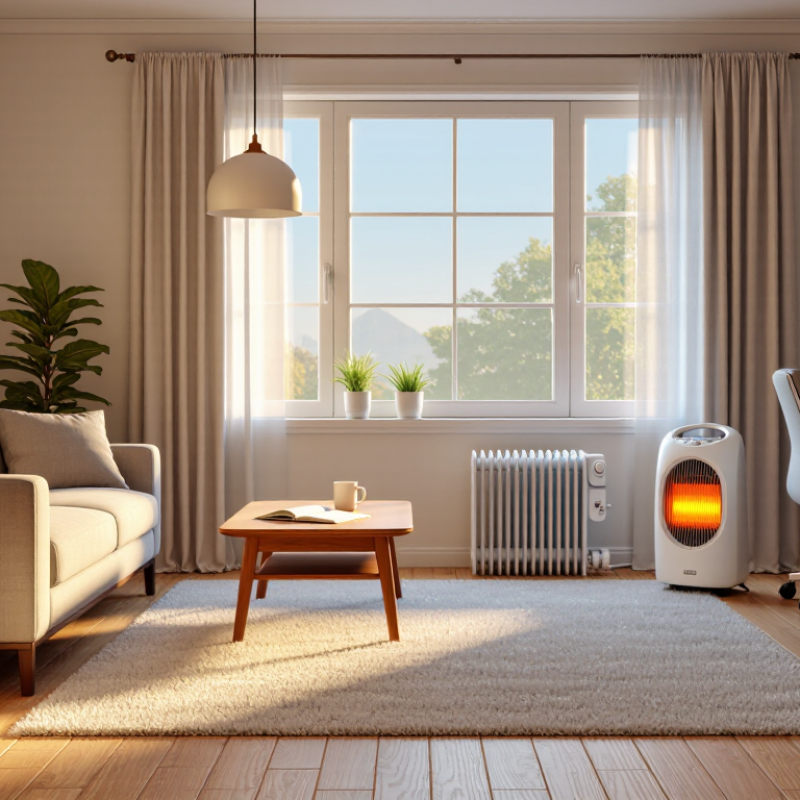
Electric space heaters turn electrical energy into warmth through resistance or electromagnetic radiation. In a resistance heater, current passes through a metal element, such as a coiled wire. The element heats up, then warms nearby air or surrounding surfaces. A fan can move that warm air across a room. Without a fan, heated air rises naturally. Quiet, but slower. Radiant models work differently: infrared energy warms people and objects directly, like sunlight on a chilly floor. Oil-filled radiators use electricity to heat sealed oil, which stores warmth and releases it gradually. The oil is not burned.
The U.S. Department of Energy’s Energy Saver guidance says electric resistance heating converts nearly all electricity into heat at the point of use. That figure describes the heater, not the full power-generation system. DOE also reports that heat pumps can use about 50% less electricity for heating than resistance systems in suitable conditions. This comparison helps explain why a simple plug-in heater may feel effective yet still draw substantial power. Check its wattage label: a 1,500-watt heater running for one hour uses 1.5 kilowatt-hours. A small room may warm quickly, while a drafty one keeps losing heat through windows and gaps. The detail I’d watch is placement; a heater pointed at an empty corner wastes the comfort you expected. DOE Energy Saver, “Electric Resistance Heating” and “Heat Pump Systems.”
Resistance heaters convert electricity directly into heat, delivering about 1 kWh of heat per kWh of electricity used. Heat pumps move heat from outside rather than creating it directly; their typical output is about 2–4 kWh of heat per kWh of electricity. The chart uses 3 kWh as an illustrative heat-pump value; actual performance varies with conditions.
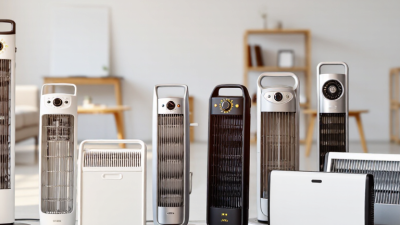
Choosing a heater starts with how it warms a room. Fan-forced models push heated air across a desk or chilly floor quickly, but their moving air can feel drafty. Radiant heaters warm people and nearby objects directly; they suit a reading chair, not an entire open room. Convection panels and oil-filled radiators warm air more gradually and often feel steadier. Quiet, but slower. Electric resistance heaters convert nearly all incoming electricity into heat at the unit, according to the U.S. Department of Energy. That does not mean they are always the cheapest option to run.
The U.S. Energy Information Administration’s 2020 Residential Energy Consumption Survey found that space heating made up about 42% of U.S. household site energy use. That figure covers all heating fuels, but it shows why room size and heating habits matter. For occasional, close-range warmth, radiant heat may be practical. For longer use in a closed room, compare a thermostat-controlled convection or oil-filled model. A heater’s wattage alone does not tell you how comfortable it will feel.
Comparing electric space heaters starts with matching the heating method to the room. Convection models warm the air gradually, while radiant models heat people and nearby objects directly. Check wattage, thermostat accuracy, and whether heat reaches the space where you sit. A 1,500-watt unit running for one hour uses 1.5 kilowatt-hours, so the electricity rate matters as much as the purchase price. Small details matter. A visible thermostat may be easier to adjust, but its reading can differ from the temperature across the room.
The U.S. Department of Energy notes that electric resistance heating converts nearly all consumed electricity into heat at the point of use. That does not mean every heater costs the same to operate; room size, insulation, and cycling controls affect consumption. Compare adjustable heat settings, a timer, and clear operating indicators. Safety features deserve equal attention: tip-over shutoff, overheat protection, and a sturdy housing are practical checks. The U.S. Consumer Product Safety Commission has estimated that portable heaters are associated with about 1,700 fires, 80 deaths, and 160 injuries annually, based on 2017–2019 data. Not just heat. Cord length, noise, and how easily dust collects around the intake can shape everyday use. A spec sheet cannot tell you everything. A heater may perform differently in a drafty bedroom than in a small, closed office.
Choosing an electric space heater starts with how a room is used, not wattage alone. A 1,500-watt heater uses up to 1.5 kilowatt-hours per hour at full power; actual cost depends on local electricity rates and thermostat cycling. The U.S. Energy Information Administration’s 2020 Residential Energy Consumption Survey found space heating accounted for about 42% of household energy use. That national figure is a useful reminder: warming one occupied room may be practical, but electricity is not automatically cheap.
A small room? For a chilly study or bedside, radiant heat can warm people and nearby surfaces quickly. Convection heaters, including oil-filled radiators, suit longer stays when steady, quiet warmth matters, though they warm up more slowly. For bathrooms or children’s rooms, choose a heater specifically rated for that setting and check its manual. Room labels can mislead.
Safety matters. The U.S. Consumer Product Safety Commission recommends keeping portable heaters at least three feet from bedding, curtains, and furniture, and plugging them directly into a wall outlet. The U.S. Department of Energy notes that electric resistance heaters convert nearly all incoming electricity into heat where they are used, while heat pumps can provide more heat per unit of electricity. An oversized heater may feel reassuring, but open doors and poor insulation can waste energy.
Electric space heaters can warm one occupied room without heating the whole home. For more efficient use, close the room’s door and block obvious drafts with a rolled towel. Set the thermostat to a comfortable level, then lower central heating if practical. A heater’s wattage matters: a high setting uses more electricity, even when the room feels only slightly warmer. Small habits matter.
Place the heater on a firm, level floor, at least three feet from curtains, bedding, furniture, and paper. Keep it away from walkways, and plug it directly into a wall outlet. Avoid extension cords and power strips, which may overheat under heavy loads. Turn the heater off when leaving the room or going to sleep; never use it to dry clothes. Choose a unit with tip-over and overheat shutoffs, and check its cord for damage before use. If an outlet becomes hot, stop using the heater and have the electrical issue checked. It is tempting to treat a small heater as harmless. It is not. A heater can be useful, but it cannot replace sound wiring, careful placement, or good judgment.
| Heater Type | How It Heats | Best Suited For | Typical Electrical Use | Efficiency Considerations | Safety and Use Tips |
|---|---|---|---|---|---|
| Ceramic fan heater | An electric element warms ceramic components, and a fan circulates warm air. | Quickly warming a nearby area or a small room while people are present. | Many portable models offer settings up to about 1,500 W; check the product label. | Electric resistance heaters convert nearly all electricity used at the heater into heat. A fan can spread warmth quickly, but does not make the heater inherently more energy-efficient. | Keep the air intake and outlet clear. Use on a stable, level surface and keep at least 3 feet (about 1 metre) from items that can burn. |
| Radiant or infrared heater | Radiant energy warms people and objects in its direct path rather than relying mainly on circulating air. | Providing direct warmth to someone sitting or working in one spot. | Power varies by model; some portable units have settings up to about 1,500 W. | Can be useful for targeted warmth, but objects outside its effective range may not warm as quickly. Actual electricity use depends on the unit’s wattage and operating time. | Keep the heating surface and beam unobstructed. Position it well away from curtains, bedding, furniture, and other combustible materials. |
| Oil-filled radiator | An electric element heats sealed oil inside the unit; the warmed casing then releases heat into the room. | Steady, quiet warmth for a room where occupants remain for a while. | Common portable units may draw up to about 1,500 W on their highest setting; verify the label. | The oil stores heat and can continue releasing it after the element cycles off, but it does not create extra heat from the electricity used. | The casing can become hot. Keep the unit upright, do not cover it, and follow the manufacturer’s clearance and placement instructions. |
| Convection panel heater | Warms air that rises and circulates through the room; some models also provide radiant warmth from the panel. | Supplemental heating in a room where a quieter, fan-free unit is preferred. | Wattage varies considerably; check the rating label and available heat settings. | Like other electric resistance heaters, it produces heat according to its electrical input. A thermostat and sensible run time can help avoid heating an unoccupied space. | Follow the specified wall, floor, and furniture clearances. Do not drape clothing or towels over the heater. |
Safe and efficient use: Choose a heater with the appropriate safety certifications for your location and use its built-in safety features as directed. Plug it directly into a suitable wall outlet—not an extension cord or power strip—and avoid overloading the circuit. On a 120 V supply, a 1,500 W heater draws about 12.5 A. Keep it at least 3 feet from anything that can burn, place it on a stable, level surface, and switch it off when leaving the room or going to sleep. Follow the owner’s manual and local electrical guidance.