Smart Heating Solutions
Choosing the best electric heater for your home requires more than comparing prices or advertised wattage. A heater that feels powerful in a showroom may overwhelm a small bedroom. Another may struggle in a drafty living room. Room size, ceiling height, insulation, window placement, and local climate all influence comfort and running costs. Measure the space first. Then consider how quickly you need warmth.
Safety should guide every decision. Look for recognized safety certification, overheat protection, tip-over protection, and a reliable thermostat. Keep portable heaters away from curtains, bedding, furniture, and wet areas. Never use an extension cord unless the manufacturer clearly permits it. A warm room should not create a hidden electrical risk. Check the product manual, even when the controls appear simple.
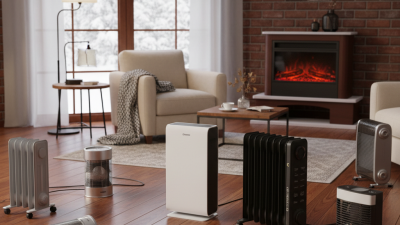
This guide compares convection heaters, ceramic models, infrared units, and oil-filled radiators. Each design has practical strengths. Convection models can warm air steadily. Infrared heaters may feel quicker near the user. Oil-filled radiators often provide gentle, lasting heat after switching off. Yet no single option suits every home. That is easy to forget.
We will examine energy use, heating performance, noise, portability, controls, and long-term value. Real household habits matter too. A person working beside a cold window needs different comfort from a family heating a large open room. My own preference has changed after noticing thermostat cycling and uneven warmth in daily use. Specifications help, but experience exposes their limits. Use this information alongside manufacturer guidance and, when necessary, advice from a qualified electrician. The right heater should feel dependable, controlled, and appropriate for the room—not merely impressive on a product page.
How to Choose the Best Electric Heater for Your Home?
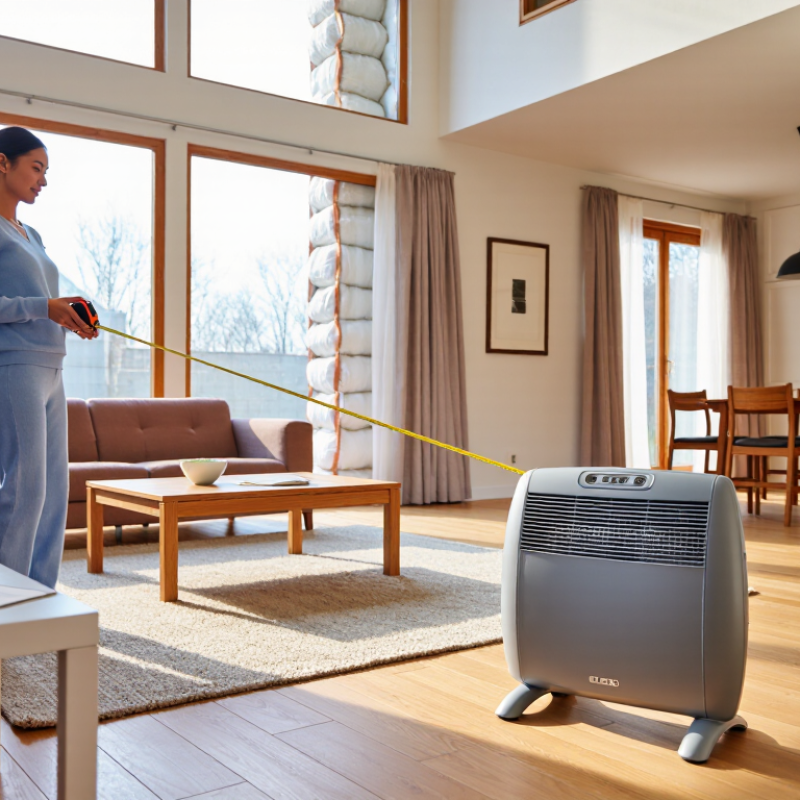
Define your heating needs before comparing heater designs or power ratings. Measure the room’s floor area, ceiling height, window size, and insulation quality. A 15-square-metre bedroom with a 2.4-metre ceiling needs less heat than a drafty room with exposed walls. Check how quickly the room loses warmth after switching the heating off. That simple test reveals more than a product label.
The U.S. Department of Energy reports that space heating represents about 29% of household energy use. Efficiency matters, but room conditions matter too. A well-sealed room can use a smaller heater comfortably. Cold floors, single-glazed windows, and high ceilings may require greater capacity or longer operating periods. Humidity also affects comfort, although it does not directly determine heater output. I usually place a thermometer near the seating area, not beside the heater. Small detail, but readings can otherwise mislead you.
For occasional heating, portable convection or radiant units may suit one occupied room. For regular heating, compare thermostat accuracy, timer controls, noise, and installation requirements. Never assume a higher wattage is automatically better. It can create hot corners and unnecessary energy use. The International Energy Agency states that buildings consume around 30% of global final energy. That figure makes careful room assessment worthwhile. My own estimates are sometimes too optimistic when doors open frequently. Real household habits deserve attention.
Electric heaters use different methods to move warmth. Fan heaters heat air quickly through a ceramic or metal element, making them useful for short bathroom visits or small rooms. Oil-filled radiators also use electric resistance, but their liquid core releases heat more slowly and quietly. Infrared heaters warm people and nearby surfaces directly. They may feel comfortable beside a desk, even when the whole room remains cool.
Electric resistance heaters convert nearly all consumed electricity into heat at the point of use. However, electricity prices still determine running costs. The U.S. Department of Energy reports that heat pumps can deliver up to three times more heat energy than the electricity they consume. The International Energy Agency’s 2022 heat-pump report places typical performance around three to five times the efficiency of gas boilers. These systems cost more initially, and cold weather can reduce output. Still, they deserve comparison with simple plug-in heaters.
Room size matters more than appearance. A small fan heater may struggle in a drafty living room. A radiator can provide steadier warmth but needs floor space. Check wattage, thermostat accuracy, noise levels, and overheating protection. My practical shortcut is measuring the room first. It is not perfect. Insulation, ceiling height, and door gaps can change the result sharply. A warm corner is not the same as a warm home.
A heater’s purchase price is only part of its real cost. Check its rated wattage, thermostat controls, and heating capacity before comparing models. A 1,500-watt heater uses 1.5 kilowatt-hours when running continuously for one hour. Multiply that figure by your local electricity rate and expected running hours. This gives a clearer estimate than advertising claims.
In my experience, oversized heaters often cycle inefficiently, while undersized units run for hours. Room insulation matters too. A drafty bedroom can waste heat through window gaps, doors, and poorly sealed walls. A programmable thermostat may reduce waste by lowering the temperature during sleep or when nobody is home. However, savings depend on actual use. I once underestimated evening usage, and my monthly bill was higher than expected.
Look for independently verified efficiency information, clear energy labels, and published safety instructions. Resist judging efficiency by heat output alone. Two heaters may produce similar warmth but use electricity differently because of controls and operating patterns. Calculate seasonal costs using realistic hours, not the most optimistic estimate. Also inspect cord length, automatic shutoff features, and ventilation requirements. Lower running costs are useful, but a reliable heater should operate safely without damaged plugs, blocked vents, or unattended use.
Choosing an electric heater starts with safety, not appearance. The National Fire Protection Association reported an estimated 44,210 home heating fires annually from 2016 to 2020. These incidents caused about 480 deaths and 1,370 injuries each year. A heater should include overheat protection, tip-over shutoff, and a cool-touch exterior. Test each feature before regular use. Small detail. It matters.
Controls should be simple enough to use at night. A precise thermostat can prevent constant heating and reduce wasted electricity. A timer helps avoid leaving the unit on accidentally. According to the U.S. Energy Information Administration, residential electricity prices averaged 16.19 cents per kilowatt-hour in 2023. A 1,500-watt heater uses about 1.5 kilowatt-hours hourly, before thermostat cycling. Check the label, then estimate your real running cost.
Installation requirements deserve equal attention. Portable heaters should stand on a hard, level surface, at least three feet from curtains, bedding, and furniture. Plug them directly into a wall outlet. Do not use an extension cord or power strip. Wall-mounted and hardwired models may require a dedicated circuit and qualified electrical installation. Local rules can differ, especially in bathrooms or damp rooms. I once focused too much on heating speed and overlooked outlet placement. That mistake changed my checklist. A quiet heater is not automatically a safe heater.
| Heater Type | Typical Output and Coverage | Recommended Use | Important Safety Features | Useful Controls | Installation Requirements | Main Advantages | Limitations and Selection Notes |
|---|---|---|---|---|---|---|---|
| Portable Fan Heater |
Usually 750–1,500 watts. Suitable for small rooms or personal spot heating; actual coverage depends on insulation, ceiling height, and outdoor temperature. |
Short-term heating for bedrooms, offices, bathrooms, or other occupied areas. | Overheat protection Tip-over shutoff Thermal fuse | Adjustable thermostat, low/high heat settings, fan-only mode, and timer where provided. | Plug directly into a correctly rated wall outlet. Keep air inlets and outlets clear, and place on a stable, level surface. | Heats air quickly, compact, portable, and generally inexpensive to operate for short periods. | Fan noise and moving air may be undesirable. Do not cover it or use it near curtains, bedding, clothing, or other combustible materials. |
| Ceramic PTC Heater |
Commonly 750–1,500 watts. Designed primarily for small to medium rooms, depending on the model and room conditions. |
Supplemental heating where quick warm-up and portable operation are priorities. | Tip-over shutoff Overheat protection Flame-resistant housing | Digital or mechanical thermostat, multiple power levels, oscillation, timer, and remote control on some models. | Use a grounded wall outlet when required by the instructions. Avoid extension cords and power strips unless the manufacturer specifically permits them. | Rapid heat-up, compact design, and a positive-temperature-coefficient element that naturally limits heating-element temperature as it gets hotter. | The housing and grille can still become hot. Electronic controls may add convenience but can increase complexity and standby energy use. |
| Oil-Filled Radiator |
Typically 1,000–2,500 watts. Best suited to small or medium rooms with adequate insulation. |
Quiet, steady heating for bedrooms, studies, and living spaces. | Overheat protection Thermal cutoff Stable base | Adjustable thermostat, low/medium/high power settings, and timer or digital scheduling on some models. | Place upright on a level, nonflammable surface with clear space around the radiator. Do not move it while hot unless designed for safe mobility. | Nearly silent operation, gradual heat release, and no exposed heating coil. | Heats more slowly than fan heaters, is heavier to move, and remains hot for some time after switching off. |
| Infrared Radiant Heater |
Often 500–1,500 watts. Effectively warms people and nearby objects within its line of sight; room-wide coverage varies considerably. |
Personal heating, covered outdoor areas where specifically approved, or rooms used intermittently. | Tip-over shutoff Overheat protection Guard or grille | Power-level selection, thermostat on some models, timer, and motion or occupancy features on selected units. | Maintain the specified clearance from walls, furniture, fabrics, and people. Outdoor use is permitted only when the heater is specifically rated for it and protected from moisture as instructed. | Provides immediate directional warmth and does not need to heat all the air first. | Uneven comfort can occur when people move outside the radiant field. Heating elements may glow and can ignite nearby materials if clearances are ignored. |
| Convection Panel Heater |
Commonly 1,000–2,000 watts. Suitable for small to medium rooms when correctly sized for heat loss. |
Quiet background heating in bedrooms, living rooms, and work areas. | Overheat protection Thermal cutoff Cool-touch controls | Electronic thermostat, programmable schedule, open-window detection, child lock, and adaptive temperature control on some models. | Portable models require a stable position and clear airflow. Wall-mounted models require suitable wall support and installation according to the manual. | Quiet operation, even room-air circulation, and a slim profile. | Warm-up is slower than direct radiant heating. Wall-mounted installation can require drilling and careful positioning away from furniture and curtains. |
| Electric Baseboard Heater |
Frequently rated around 250 watts per foot, although ratings vary. Usually selected according to room heat-loss calculations rather than a simple room-size rule. |
Permanent supplemental or primary heating in rooms with suitable wall space. | High-temperature limit Thermal cutoff Protective casing | Wall thermostat, programmable thermostat, and zoning controls when installed as part of a fixed system. | Fixed installation may require a dedicated circuit, hardwiring, electrical-box work, and compliance with local codes. Keep furniture, drapes, and cables away from the heater. | Quiet, durable, and suitable for room-by-room zoning. | Occupies wall space, requires permanent installation, and can become very hot. Professional electrical work may be necessary. |
| Wall-Mounted Bathroom Heater |
Often 1,000–2,000 watts. Intended for rapid supplemental warmth in a bathroom or other approved location. |
Short heating periods before or during bathroom use. | Overheat protection Enclosed heating element Moisture-rated design | Thermostat, countdown timer, fan-only setting, and pull-cord or wall-switch control depending on the design. | Must be specifically approved for bathroom use and installed in the permitted location. Fixed wiring, required clearances, and ground-fault protection may be required by local regulations. | Fast warm-up and space-saving installation. | Not every heater is suitable for damp locations. Never use a standard portable heater near a bath, shower, sink, or other water source. |
| Electric Fireplace or Stove-Style Heater |
Commonly 750–1,500 watts for supplemental room heating. Coverage depends on the heating mode and room design. |
Living rooms and spaces where appearance and supplemental warmth are both important. | Overheat protection Tip-over shutoff on portable units Cool-touch controls | Thermostat, heat-only mode, flame-effect control, remote control, timer, and child lock on some models. | Place on a stable surface or install according to the manufacturer’s mounting instructions. Maintain clearance from televisions, curtains, furniture, and combustible finishes. | Decorative appearance, optional flame effect, and the ability to use visual features without heat on many models. | Larger and heavier than basic portable heaters. Decorative features do not increase heating efficiency and may consume standby electricity. |
A low purchase price can hide higher electricity costs. Check the heater’s wattage and estimate daily use before buying. A 1,500-watt heater running four hours daily uses about six kilowatt-hours. Multiply that figure by your local electricity rate. This simple calculation often changes the decision.
A programmable thermostat can reduce waste in bedrooms or home offices. Paying slightly more for accurate temperature control may lower monthly bills.
Maintenance needs also affect the real budget. Fan heaters usually need regular dust removal around their air inlets. Some models include filters that require washing or replacement.
Oil-filled heaters have fewer moving parts, but their surfaces still collect dust. Always inspect the plug, cable, and casing for heat damage. Keep clear space around the heater, especially near curtains and furniture.
A dry cloth and a few minutes each month can prevent airflow problems.
Match the heater to your habits, not just the room size. A rarely used guest room may not justify an expensive system.
A heater used every evening deserves stronger controls and easier cleaning. My early instinct would be to choose the cheapest unit, but that ignores long-term running costs.
I still think a simple model can be the wiser choice when maintenance is easy and replacement parts are accessible. Check the instructions before cleaning, because designs vary. Safety details matter more than attractive controls.