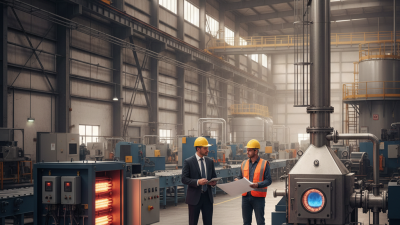
| Electric Resistance Air or Duct Heater |
Electric resistance elements heating air or process gas |
Approximately 50–750°C outlet air, depending on design, airflow, and element loading |
95–100% point-of-use conversion efficiency; total environmental efficiency depends on electricity generation |
Fast response, accurate temperature control, clean heat, and easy integration with fans, ducts, and air-handling systems |
- Stable electrical supply and correctly sized breakers
- Minimum airflow or airflow-proving interlock
- Over-temperature protection and adequate ventilation
|
Drying ovens, paint booths, HVAC systems, air curtains, process-air preheating, and clean manufacturing areas |
Zero on-site combustion emissions, compact installation, high controllability, and low maintenance |
High operating cost where electricity prices are high; large installations may require significant electrical capacity |
| Electric Immersion Heater |
Electric resistance elements immersed directly in water, oil, chemicals, or other compatible fluids |
Approximately 40–400°C fluid temperature, subject to fluid properties and element construction |
95–99% point-of-use conversion efficiency |
Direct heat transfer, compact footprint, precise control, and suitable for tanks, vessels, and circulation loops |
- Element materials must be compatible with the process fluid
- Liquid-level protection to prevent dry firing
- Flow, pressure, and temperature controls where circulation is used
|
Water tanks, plating baths, chemical processing, food-processing vessels, oil reservoirs, and wash systems |
High heat-transfer efficiency, simple controls, quiet operation, and no combustion system |
Scaling, corrosion, or dry operation can damage elements; not suitable for every hazardous or highly viscous fluid |
| Infrared Radiant Heater |
Electric, gas-fired, or other radiant emitters transferring heat directly to surfaces and products |
Emitter temperatures commonly range from approximately 200–1,000°C, depending on infrared wavelength and technology |
Typically 70–95% useful radiant delivery; actual results depend strongly on distance, emissivity, shielding, and product geometry |
Heats surfaces directly without first heating all surrounding air; rapid response and strong zoning capability |
- Correct emitter-to-product distance and line of sight
- Control of product emissivity, conveyor speed, and exposure time
- Heat shielding and safe clearance from combustible materials
|
Coating and paint curing, thermoforming, plastics processing, textile drying, food heating, and localized warehouse heating |
Fast start-up, localized heating, reduced air movement, and good suitability for intermittent production |
Shadowing and uneven product geometry can create cold spots; radiant output can be affected by dust and surface condition |
| Induction Heater |
Electromagnetic induction generated by a high-frequency electrical power supply |
Approximately 100–1,500°C workpiece temperature, depending on frequency, material, and coil design |
Approximately 90–97% electrical-to-workpiece efficiency in well-matched systems; complete system efficiency is lower after power-electronics losses |
Very rapid, selective heating of electrically conductive materials with excellent repeatability and controllable heat-affected zones |
- Electrically conductive workpiece or suitable susceptor
- Correct coil geometry, frequency, power, and coupling distance
- Cooling for coils and power electronics, plus electromagnetic safety controls
|
Metal forging, brazing, annealing, hardening, melting, shrink fitting, and heat treatment |
High speed, clean process, low heat loss to the surrounding area, and strong automation potential |
Higher initial cost; performance depends on material properties, workpiece geometry, coil design, and operator expertise |
| Direct-Fired Gas Heater |
Natural gas, liquefied petroleum gas, or other approved gaseous fuel burned directly into the process airstream |
Approximately 50–600°C process-air temperature, depending on burner design and dilution air |
Typically 80–95% fuel-to-useful-heat efficiency; combustion products enter the heated air |
High heat output, rapid response, and strong suitability for large air volumes and high-throughput processes |
- Approved fuel train, burner management, and flame-failure protection
- Combustion air, exhaust, gas detection, and ventilation provisions
- Process must tolerate combustion products and added moisture
|
Industrial drying, agricultural processing, warehouses, tunnels, aggregate heating, and large process-air systems |
High output per unit of equipment, relatively low fuel cost in many regions, and fast heating |
Combustion gases and moisture may contaminate sensitive products; emissions compliance and fuel availability are essential |
| Indirect-Fired Gas Heater |
Gas burner heating a heat exchanger; combustion products remain separate from the process airstream |
Approximately 50–500°C process-air temperature, depending on heat-exchanger materials and airflow |
Typically 75–92% fuel-to-useful-heat efficiency; lower than direct firing because of heat-exchanger losses |
Provides clean, separated process air while retaining the high output capability of gas combustion |
- Heat exchanger, flue, burner controls, and combustion-air system
- Regular inspection for corrosion, cracking, and leakage
- Correct exhaust routing and ventilation
|
Food processing, pharmaceutical production, clean drying, spray booths, textiles, and temperature-controlled manufacturing |
Cleaner process air, high capacity, and suitability for products sensitive to combustion gases |
Higher capital cost, larger footprint, slower response than direct-fired systems, and heat-exchanger maintenance requirements |
| Steam Process Heater |
Condensing steam supplied from a boiler or central steam network |
Common saturated-steam conditions range from approximately 120–250°C at roughly 1–40 barg, depending on pressure |
Approximately 80–98% heat-transfer effectiveness at the user point; total efficiency depends on boiler, distribution, condensate recovery, and insulation |
Very uniform heat transfer, nearly constant temperature during condensation, and high heat flux with relatively compact exchangers |
- Steam traps, condensate return, pressure regulation, and water treatment
- Proper drainage to prevent water hammer
- Insulation and routine inspection of steam lines and valves
|
Heat exchangers, dryers, sterilizers, food processing, chemical plants, paper production, and jacketed vessels |
Reliable temperature control, established industrial infrastructure, and easy multi-point distribution |
Requires a boiler or steam network; leaks, poor trap performance, and low condensate recovery increase energy costs |
| Thermal Fluid or Hot Oil Heater |
Heated synthetic or mineral thermal fluid circulated through jackets, coils, or heat exchangers |
Typical operating ranges are approximately 150–350°C; some specialized fluids operate at higher temperatures |
Approximately 75–90% fuel-to-fluid efficiency for fired systems; electric systems can achieve higher point-of-use conversion efficiency |
Stable indirect heat at atmospheric pressure, suitable for high temperatures without the high pressure associated with steam |
- Expansion tank, circulation pump, filtration, and fluid-level monitoring
- Fluid compatibility, oxidation control, and leak detection
- Insulation and protection against fluid overheating or degradation
|
Reaction vessels, asphalt and bitumen processing, edible-oil production, polymer manufacturing, dryers, and industrial ovens |
High-temperature operation at relatively low system pressure, good temperature stability, and flexible heat distribution |
Thermal fluid ages over time; leaks can create fire risks, and systems require careful start-up, shutdown, and maintenance procedures |
| Hot-Water Circulation Heater |
Hot water produced by a boiler, electric heater, heat exchanger, or heat pump and circulated through a closed loop |
Common supply temperatures range from approximately 60–180°C; higher temperatures require specialized pressurized systems |
Approximately 80–95% system efficiency for conventional boiler-based systems; heat-pump-based systems can deliver a COP of approximately 2–5 under suitable conditions |
Gentle, uniform, and easily distributed heat with good suitability for low- and medium-temperature processes |
- Circulation pump, expansion vessel, pressure relief, and air removal
- Water treatment and corrosion control
- Correct pipe sizing, insulation, and freeze protection where required
|
Tank heating, food processing, space heating, cleaning systems, drying, aquaculture, and low-temperature process loops |
Low surface-temperature risk, stable control, simple heat distribution, and compatibility with heat recovery |
Limited maximum temperature compared with thermal oil or direct electric heaters; pumps and piping require ongoing maintenance |
| Industrial Heat Pump Process Heater |
Electric compressor transferring heat from ambient air, water, ground, or waste heat to a process loop |
Common supply temperatures are approximately 40–120°C; advanced systems may reach about 160°C depending on refrigerant and design |
COP typically 2–5 under favorable conditions, meaning 2–5 units of heat can be delivered per unit of electricity; COP decreases as temperature lift increases |
Efficient low- to medium-temperature heating, especially when waste heat or a stable heat source is available |
- Suitable heat source with adequate temperature and flow
- Refrigeration controls, heat exchangers, defrost management, and electrical capacity
- Correct refrigerant compliance, commissioning, and seasonal performance planning
|
Food and beverage processing, drying, district energy, hot-water production, wastewater treatment, and waste-heat recovery |
Very low on-site emissions, excellent energy savings at moderate temperature lifts, and strong decarbonization potential |
Higher initial investment, performance varies with source and sink temperatures, and high-temperature applications may require supplementary heating |
| Cartridge, Band, and Strip Heater Systems |
Electric resistance elements installed inside or around molds, dies, pipes, nozzles, barrels, and metal surfaces |
Common controlled surface temperatures range from approximately 100–750°C, depending on heater construction and insulation |
95–100% point-of-use electrical conversion; useful heat delivery depends on contact, clamping, insulation, and temperature control |
Highly localized heating with compact dimensions, rapid response, and precise zone-by-zone temperature regulation |
- Correct watt density, fit, clamping pressure, and surface contact
- Thermocouples or RTDs positioned at representative control points
- Thermal insulation, over-temperature protection, and clean electrical connections
|
Plastic extrusion and injection molding, die heating, packaging equipment, hot runners, laboratory equipment, and pipe freeze protection |
Compact design, accurate control, easy replacement, and excellent suitability for multi-zone equipment |
Localized overheating can cause premature failure; poor contact, contamination, or inadequate insulation significantly reduces service life |
|
Data basis: Temperature and efficiency figures are typical engineering ranges for properly designed and maintained systems, not guaranteed product specifications. Actual performance varies with heater capacity, insulation, airflow or fluid flow, operating temperature, ambient conditions, controls, fuel quality, maintenance, and local installation standards. Electrical point-of-use efficiency does not include upstream power-generation losses.
|