Smart Heating Solutions
Choosing the right electric shop heater is rarely as simple as comparing wattage and price. A busy workshop may need fast spot heating, while a large warehouse may require steady warmth across a high ceiling. Dust, insulation, door openings, noise, and electrical capacity can change the decision completely.
John Barba, a respected HVAC educator, has stated, “The best heating system is the one that matches the building, the occupants, and the budget.” This practical view matters for global buyers. A compact fan heater may warm a repair bench quickly. An infrared model may heat workers and tools without warming the entire air volume. Wall-mounted, ceiling-mounted, portable, oil-filled, and smart-controlled designs each solve different problems.
This guide examines the top 10 types of electric shop heater products available to international buyers. It compares heating methods, installation needs, control options, safety features, energy use, and suitable workshop conditions. The details are concrete: cable length, thermostat response, mounting height, airflow, and recovery time after a door opens.
No single model wins everywhere. That is the uncomfortable part. A powerful heater can overload an old circuit. A quiet unit can struggle in a drafty building. A low purchase price may hide higher operating costs.
Good selection requires more than a product label. Buyers should verify voltage, certification, warranty support, replacement parts, and local electrical requirements. The strongest choice is not always the hottest one. It is the safest, most suitable, and most maintainable option for the actual shop.
Top 10 Types of Electric Shop Heaters for Global Buyers
What Electric Shop Heaters Are and How They Warm Commercial Spaces
Electric shop heaters convert electrical energy into controlled heat for workshops, garages, warehouses, and retail spaces. Common types include fan-forced, infrared, convection, portable, wall-mounted, and ceiling-suspended heaters.
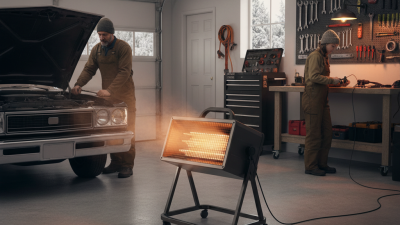
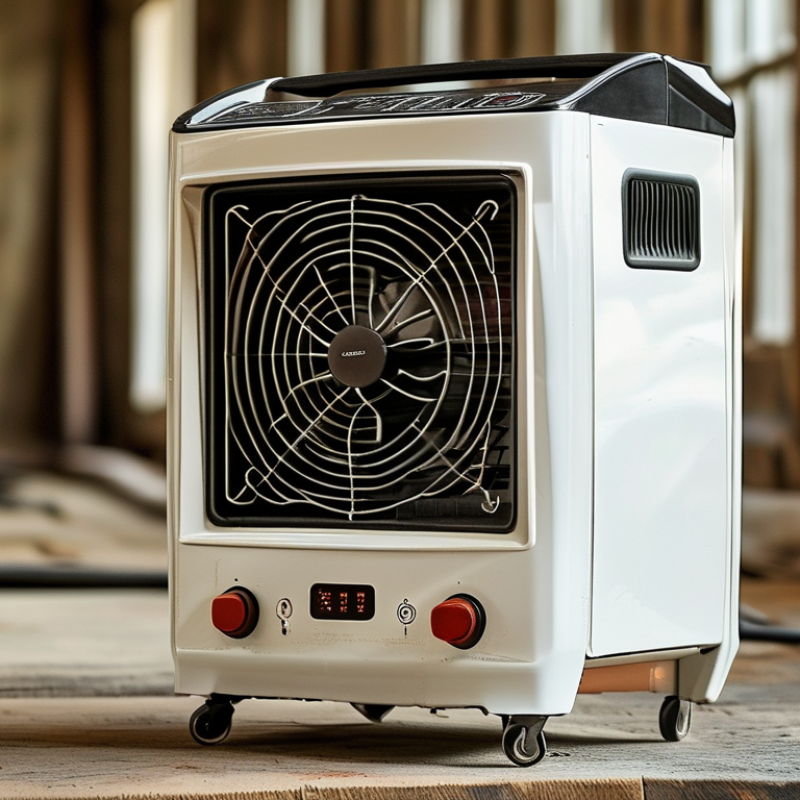
Fan-forced models push warm air across a room. They heat workers quickly near loading doors or repair benches. Convection heaters warm surrounding air gradually and quietly. Infrared heaters work differently. They warm people, tools, and work surfaces directly, much like sunlight on a concrete floor.
Heat should feel steady. A heater’s wattage, room size, insulation, ceiling height, and door traffic all affect performance. A large workshop with an open roller door needs more practical planning than a sealed showroom. Thermostats can reduce waste by maintaining a stable temperature instead of running continuously. In dusty areas, accessible filters and sealed controls deserve attention. These details are easy to overlook.
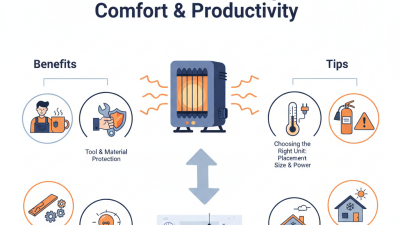
Tips: Measure the space before choosing a heater. Check voltage, mounting clearance, airflow, and local electrical requirements. Keep heating elements away from cardboard, fabrics, oils, and stored materials. Ask a qualified electrical professional to verify installation conditions. Even careful estimates can miss cold zones near doors or high ceilings, so observe the space during real working hours and adjust the layout when needed.
Electric shop heaters fall into several practical categories, and the right choice depends on space, work activity, and local power conditions. Fan-forced unit heaters warm workshops quickly by moving heated air across the room. They suit garages with high ceilings, but moving dust can affect precision work. Convection heaters operate more quietly and provide steady background warmth. They work well in enclosed retail shops, although warm air may collect near the ceiling.
Infrared heaters warm people, benches, and machinery directly instead of heating every cubic metre of air. This makes them useful near loading doors or individual workstations. Radiant panels offer a cleaner, low-noise solution for customer areas and small offices. Portable ceramic heaters are compact and easy to reposition, while oil-filled heaters provide gentle heat without exposed glowing elements. Ceiling-mounted and wall-mounted models save floor space. Fixed electric unit heaters usually deliver stronger coverage for larger workshops.
Selection should include wattage, room height, insulation, voltage, frequency, and dust exposure. A 2,000-watt heater may feel adequate beside a workbench but insufficient in a poorly insulated warehouse. Check local electrical certification and installation rules before purchasing. Use thermostatic control to reduce energy waste, and keep clearances around tools, cartons, and flammable materials. Protection against moisture matters in wash areas. The categories overlap. That can be confusing. In real installations, buyers sometimes choose maximum power instead of suitable heat distribution, then discover cold corners, noisy airflow, or overloaded circuits. A qualified electrician should verify the circuit and mounting method.
| Rank | Heater Type | Typical Heating Method | Common Power Range | Recommended Shop Area | Warm-Up Speed | Main Advantages | Key Buying Considerations |
|---|---|---|---|---|---|---|---|
| 1 | Portable Fan Heaters | Electric resistance element with forced air circulation | 2–9 kW | 10–100 m² | Fast | Compact, portable, easy to install, and effective for spot heating | Noise level, airflow, electrical supply, thermostat accuracy, and overheat protection |
| 2 | Electric Unit Heaters | Suspended electric heating element with an integrated fan | 5–30 kW | 50–500 m² | Fast | Suitable for high ceilings, durable, and provides broad air distribution | Mounting height, fan throw, three-phase power availability, and service access |
| 3 | Infrared Tube Heaters | Long-wave infrared radiation directed toward people and surfaces | 1.5–6 kW | 15–100 m² | Fast | Quiet operation, minimal air movement, and efficient zone heating | Radiant coverage, mounting clearance, surface temperature, and controller compatibility |
| 4 | Infrared Panel Heaters | Radiant heat emitted from a flat electric panel | 0.3–1.2 kW per panel | 5–40 m² per panel | Moderate | Silent, slim, low maintenance, and suitable for offices or customer areas | Panel size, insulation quality, installation position, and local electrical standards |
| 5 | Ceramic PTC Heaters | Self-regulating positive-temperature-coefficient ceramic element | 1–9 kW | 10–80 m² | Fast | Good temperature stability, compact design, and reduced element overheating risk | Fan durability, airflow distribution, dust protection, and rated voltage |
| 6 | Oil-Filled Radiators | Electric element heats thermal oil inside sealed metal columns | 1–2.5 kW | 8–35 m² | Slow to moderate | Silent, steady heat, portable, and suitable for enclosed workrooms | Warm-up time, surface temperature, tip-over protection, and floor space |
| 7 | Convection Heaters | Natural or fan-assisted circulation of air over an electric element | 0.5–3 kW | 10–60 m² | Moderate | Even background heating, simple operation, and low maintenance requirements | Ceiling height, insulation, fan or fanless design, and thermostat response |
| 8 | Electric Radiant Floor Heating | Resistance cables or electric mats installed beneath the floor surface | 80–200 W/m² | Small to medium enclosed zones | Slow to moderate | Comfortable, invisible, silent, and excellent for occupied work areas | Floor construction, installation cost, moisture protection, and zoning controls |
| 9 | Electric Infrared Quartz Heaters | Short- or medium-wave infrared radiation from quartz heating tubes | 1.2–4.5 kW | 10–70 m² | Very fast | Immediate radiant heat, effective in drafty areas, and suitable for intermittent use | Tube life, glare, reflector quality, clearance from combustibles, and impact protection |
| 10 | Electric Heat Pumps | Refrigeration cycle transfers heat from outdoor air into the workshop | 3–15 kW heating output | 30–300 m² | Moderate | Higher seasonal efficiency, heating and cooling capability, and reduced operating cost | Outdoor climate, low-temperature performance, refrigerant regulations, and installation expertise |
Note: Actual heating capacity depends on insulation, ceiling height, door opening frequency, outdoor temperature, ventilation, and the required indoor temperature. Electrical ratings and installation requirements should be verified against local regulations.
Electric shop heaters differ sharply in airflow, mounting, and heat delivery. Fan-forced heaters warm air quickly and suit short work sessions. Infrared heaters heat people and tools directly, with less effect on open air. Quartz radiant models respond fast, but exposed elements need careful positioning. Ceramic heaters are compact and usually control temperature smoothly. Oil-filled heaters operate quietly and release steady heat, although they warm slowly.
Convector heaters create gentle circulation without a fan. They feel comfortable in enclosed workrooms. Panel heaters offer a slim wall design and moderate surface temperatures.
Ceiling-mounted units save floor space and spread heat across large bays. Wall-mounted models provide fixed coverage near benches or doors. Portable heaters remain flexible, but their output may feel uneven in drafty workshops.
Performance depends on ceiling height, insulation, door openings, and electrical capacity. In a cold garage, a ceiling fan heater can recover heat faster after a door opens. Near a workbench, infrared heat may feel stronger at lower air temperatures. During practical checks, I measure warm-up time, noise, thermostat stability, and heat coverage.
My notes are not perfectly clean; airflow changes when another machine runs. That limitation matters. Buyers should verify local electrical requirements, protective ratings, and installation clearances before purchase. A heater that looks powerful may disappoint in an uninsulated steel building. Short tests can mislead.
Choosing an electric shop heater starts with the space, not the product label. A compact fan-forced heater suits a sealed repair room, where fast air mixing matters. Infrared radiant heaters work better near loading doors or high ceilings. They warm people and workbenches directly, reducing heat loss through frequently opened doors. For offices inside workshops, wall-mounted convectors provide quieter, steadier comfort. Oil-filled radiators can serve small enclosed rooms, but they respond slowly.
Match output to building conditions. The International Energy Agency’s Energy Efficiency 2023 report states that buildings consume about 30% of global final energy. That makes oversized heaters an expensive mistake. Measure ceiling height, floor area, insulation, door cycles, and local winter design temperature. A ceiling-mounted unit heater may suit a large workshop, while duct heaters fit spaces with mechanical ventilation. Portable PTC ceramic heaters remain useful for temporary tasks, though cords and airflow can become annoying.
Safety details deserve equal attention. Check voltage, frequency, plug standards, thermal cut-outs, IP ratings, and local certification requirements before ordering globally. ASHRAE Standard 55 emphasizes thermal comfort, not simply air temperature; air movement and radiant conditions also affect workers. In practice, dust, open doors, and operator habits defeat clean calculations. A perfect match is rare. Trial readings with a simple thermometer and energy meter can reveal whether the selected heater is actually performing well. Consider service access, spare parts, and controls that workers can understand without training.
Typical nominal heating output by heater type
Higher-output unit and suspended heaters are generally suited to large workshops, warehouses, and high-ceiling spaces. Infrared heaters provide targeted warmth for workstations, while panel, convection, portable fan, oil-filled, and baseboard heaters are better suited to smaller or enclosed areas. The figures are representative nominal ratings in common commercial and industrial ranges; final selection should consider shop size, insulation, ceiling height, climate, voltage, ventilation, and local electrical standards.
Choosing an electric shop heater requires more than comparing wattage. In busy workshops, dust, metal debris, open doors, and uneven floors affect heating performance and safety. Fan-forced heaters warm work areas quickly, while infrared models heat people and surfaces directly. Oil-filled units provide quiet, steady warmth, but they respond more slowly.
Start with the building’s heat-loss conditions. Measure the room size, ceiling height, insulation, and door openings before selecting capacity. A heater that is too small may run continuously and waste electricity. An oversized model can create uncomfortable hot spots. Global buyers must also verify voltage, frequency, plug type, and local electrical approvals. These details are easy to overlook.
Safety controls deserve close attention. Look for overheat protection, a stable housing, an adjustable thermostat, and tip-over protection where appropriate. Keep clear space around air inlets, outlets, paint, cardboard, and stored materials. Dusty shops need regular cleaning because blocked airflow can raise internal temperatures. Portable models should connect directly to a suitable wall outlet, not an overloaded extension lead.
Ingress protection can matter in damp service areas, but an IP rating does not make a heater waterproof. Check the manufacturer’s instructions and installation limits carefully.
One practical mistake is trusting a low price before checking replacement parts and service support. That decision often becomes expensive later. Even experienced buyers should review the site conditions again. Heating plans are rarely perfect.