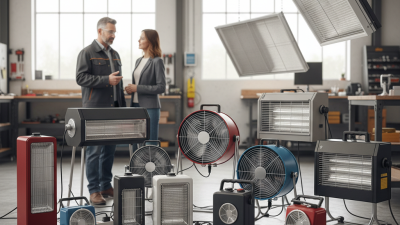
Smart Heating Solutions
Choosing the right industrial heater is rarely a simple purchase decision. It affects product quality, energy use, workplace safety, and long-term operating costs. A heater that performs well in a clean laboratory may struggle beside dust, moisture, vibration, or constant production delays.
Heat-transfer authority Lord Kelvin is often credited with saying, “If you cannot measure it, you cannot improve it.” That principle remains practical for industrial heating. Before comparing models, measure the required temperature, heat-up time, material load, airflow, insulation quality, and available power. Guesswork can become expensive.
The best industrial heater is not always the hottest or cheapest option. Electric resistance, infrared, gas, steam, and circulating-air systems each suit different processes. A stainless-steel tank may need uniform surface heating, while a conveyor oven may require controlled airflow and rapid recovery. Small details matter, including sensor placement, enclosure ratings, maintenance access, and spare-part availability.
Real facilities are imperfect. Doors open. Operators change settings. Materials arrive colder than expected. These conditions should shape the selection process. I would also question any supplier promising maximum efficiency without showing test conditions, duty cycles, and installation assumptions.
This guide presents ten practical tips for evaluating heater capacity, controls, safety features, operating costs, and supplier support. It also encourages a second look at the original process requirements. Sometimes, the heating problem is not the heater.
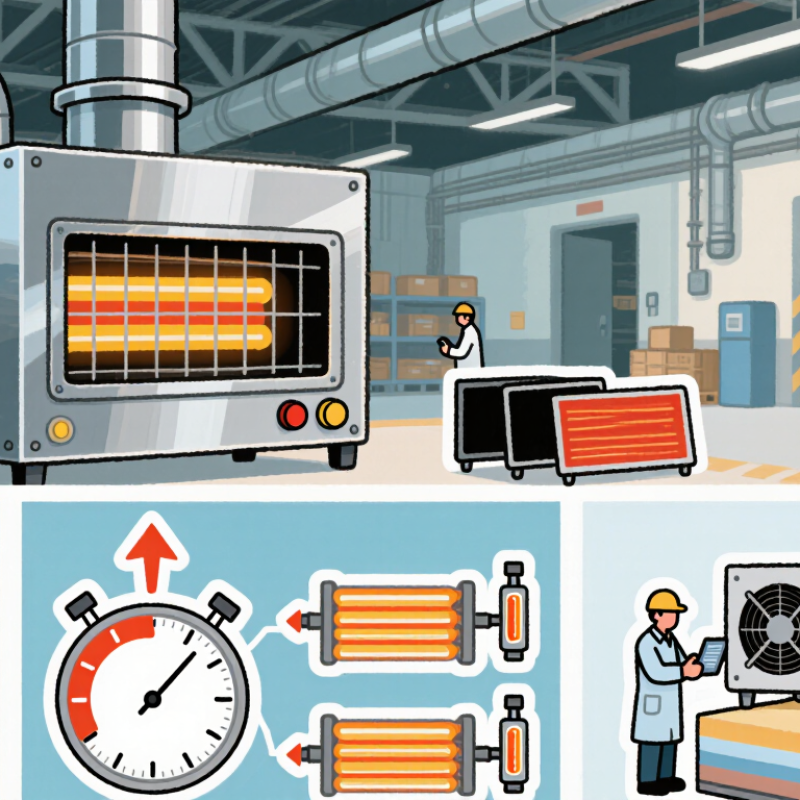
Choosing an industrial heater starts with a precise heating requirement, not a catalog photograph. Identify the material, starting temperature, target temperature, heating time, and acceptable variation. A metal tank needing 120°C behaves differently from a moving air stream at 60°C. Record dimensions, insulation, surface area, and heat loss from doors, pipes, or conveyors. Measure, do not guess.
Operating conditions narrow the practical choices. Note voltage, available power, airflow, humidity, dust, washdown exposure, altitude, and ambient temperature. A heater in a dusty workshop may need a different enclosure from one inside a clean process chamber. Define the duty cycle too: continuous operation, short batches, or frequent starts. Check control response, sensor placement, over-temperature protection, and applicable safety requirements with a qualified engineer. These details affect safety and service life.
Calculate the required heat load using product mass, specific heat, temperature rise, time, and estimated losses. Add a realistic margin, but avoid excessive oversizing; it can cause cycling and uneven heating. In practice, the first estimate is rarely perfect. Field readings may reveal drafts or insulation gaps. Revisit the calculation after a trial run. Document assumptions, test results, and operating limits so future technicians can verify the decision. Small records matter.
| No. | Heating Requirement | Representative Data | Why It Matters | Selection and Verification Guidance |
|---|---|---|---|---|
| 1 | Define the target temperature | Process temperature: 80°C for water heating; 350°C for air or gas heating. | The required temperature determines the heater technology, insulation level, element rating, and material compatibility. | Specify normal, minimum, maximum, and upset temperatures. Select a heater with a controlled operating range above the normal setpoint but below the material and safety limits. |
| 2 | Calculate the required heat load | Example: heating 1,000 kg/h of water from 20°C to 80°C requires approximately 69.7 kW before losses. At 85% overall efficiency, the input requirement is approximately 82 kW. | An undersized heater cannot reach the setpoint, while excessive capacity can cause cycling, overshoot, and unnecessary energy use. | Use Q = m × Cp × ΔT ÷ 3,600 for continuous flow in kW, then add vessel, piping, radiation, and design-margin losses. Confirm the result with a thermal engineer. |
| 3 | Set the warm-up time | Typical production requirement: raise a 500 kg water charge from 20°C to 80°C within 45 minutes. | Warm-up time affects heater capacity, production throughput, start-up energy, and control stability. | Include the thermal mass of the product, tank, coils, piping, and insulation. Calculate energy as mass × specific heat × temperature rise, divided by available heating time. |
| 4 | Identify the heated medium | Common media include water, thermal oil, air, nitrogen, process gas, and viscous liquids. Water has a specific heat of approximately 4.18 kJ/kg·K. | Density, specific heat, viscosity, flow behavior, and phase change determine heat-transfer performance and element loading. | Provide the medium composition, concentration, viscosity, flow rate, and any solids content. Confirm that the heater will not cause decomposition, fouling, or localized overheating. |
| 5 | Confirm flow rate and pressure | Example operating range: 5–10 m³/h liquid flow at 3–6 bar(g) system pressure. | Flow affects heat-transfer coefficient, outlet temperature, pressure drop, and the risk of element overheating. | Define minimum, normal, and maximum flow. Provide allowable pressure drop and relief requirements. Use flow interlocks to prevent energized elements during low-flow conditions. |
| 6 | Evaluate operating temperature limits | Typical ambient range: −20°C to +45°C. Example process limits: water below boiling at atmospheric pressure; air systems up to 350°C. | Ambient and process limits influence enclosure ratings, insulation, seals, wiring, and thermal expansion. | Document ambient temperature, altitude, humidity, outdoor exposure, and nearby heat sources. Check all components—not only the heating element—against the maximum temperature. |
| 7 | Select compatible construction materials | Stainless steel is commonly used for water and clean-process service; nickel alloys may be required for aggressive chemicals or high-temperature service. | Corrosion, erosion, contamination, and thermal cycling can shorten heater life and affect product quality. | Provide pH, chloride level, chemical concentration, moisture, solids, and cleaning chemicals. Match sheath, vessel, flange, gasket, and sensor materials to the process. |
| 8 | Define temperature accuracy and control response | Typical process-control targets: ±1°C for many liquid processes and ±2–5°C for some air-heating applications. | Accuracy requirements determine sensor location, controller type, heater staging, and power modulation. | Specify allowable overshoot, response time, sensor tolerance, and control-point location. Consider proportional or time-proportioned control for variable loads. |
| 9 | Check electrical supply and installation conditions | Common industrial supplies include 230 V single-phase, 400 V three-phase, and 480 V three-phase systems. An 82 kW load at 400 V three-phase draws approximately 118 A at unity power factor. | Available voltage, phase configuration, current, and short-circuit capacity affect wiring, switching, protection, and installation cost. | Confirm voltage tolerance, phase balance, available current, grounding, disconnect requirements, and control-panel space. Size conductors and protective devices according to applicable electrical codes. |
| 10 | Review safety, duty cycle, and maintenance | Duty examples: continuous 24/7 operation, intermittent operation for 8 hours/day, or batch cycling with frequent start-and-stop events. | Duty cycle and hazards influence element life, thermal fatigue, redundancy, inspection frequency, and protective systems. | Include high-limit cutouts, over-temperature protection, low-flow or low-level interlocks, grounding, emergency isolation, and suitable hazardous-area classification where applicable. Plan access for inspection and element replacement. |
10 Tips for Choosing the Right Industrial Heater
Compare heater types with the application, not the catalog photograph. The U.S. Department of Energy reports that process heating uses about 51% of manufacturing energy. The 2023 Industrial Decarbonization Roadmap also identifies process heat as a major emissions challenge.
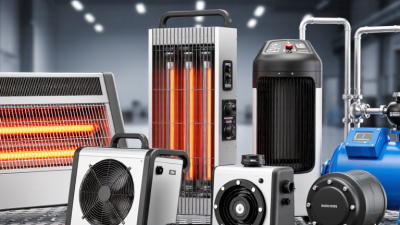
Tip one: define the material, temperature, and heating time. Tip two: calculate heat loss through walls, doors, and exhaust. Tip three: choose electric resistance for clean, stable chamber heating. Tip four: consider induction for conductive metals needing rapid, localized heat. Tip five: use infrared when surface heating matters more than core heating. Tip six: select gas-fired systems for large airflow or high-volume loads. Tip seven: compare steam or thermal oil for indirect, even heating. The process decides.
Tip eight: check humidity, dust, airflow, and the required atmosphere. Tip nine: confirm controls can hold the target temperature without constant overshoot. Tip ten: price maintenance, electricity, fuel, ventilation, and downtime together. DOE’s Improving Process Heating System Performance sourcebook stresses system-level efficiency, not heater efficiency alone. A highly efficient heater can waste energy in a poorly insulated line. I have seen this comparison become too simple. The first quotation often looks cheapest. It may not remain so after installation, calibration, and cleaning costs. Measure the actual load before approving the equipment.
Compare heater types by their typical process-temperature range, then match the technology to the material, heat-transfer method, response time, atmosphere, safety requirements, efficiency, installation limits, controls, maintenance needs, and total operating cost.
The ranges shown are representative industrial operating ranges in °C. Actual limits depend on equipment design, pressure, material, airflow, insulation, and process conditions.
Choosing the right industrial heater starts with the material being processed. Stainless steel resists corrosion, while aluminum transfers heat quickly but may soften at higher temperatures. Check the product’s moisture, viscosity, and chemical behavior before selecting heating surfaces. A heater touching food, oil, or plastic may require different construction and controls. Material compatibility is not a minor detail.
Define the real temperature range, not just the desired operating point. Record the lowest startup temperature, normal process temperature, and possible overshoot. A system rated for 300°C may perform poorly near its limit. Leave a sensible safety margin. Measure twice. Use calibrated sensors near the actual heat zone, because cabinet readings can be misleading. I have seen uneven batches caused by one sensor placed too far from the product.
Heat transfer also deserves careful testing. Conduction works well with solid contact, while convection suits moving air or fluid. Radiant heat can warm exposed surfaces quickly, but shadows may remain cold. Consider airflow, surface area, insulation, and heating time together. Poor insulation wastes energy and creates hot external panels. Ask for performance data under your operating conditions, not only laboratory figures. A small pilot test often reveals problems that a specification sheet hides. Even experienced engineers can overestimate uniformity when the load changes during production. Review maintenance access, wiring protection, and control response before installation.
10 Tips for Choosing the Right Industrial Heater
Energy efficiency should be checked under real operating conditions, not only in a catalog. Compare heat output, power consumption, insulation quality, and expected duty cycles. A heater running beside an open loading door may waste more energy than its specifications suggest. Measure the space, product temperature, airflow, and heating time before choosing capacity. Oversizing can cause short cycling and uneven temperatures.
Controls deserve equal attention. Select systems with accurate sensors, adjustable set points, alarms, and automatic shutdown functions. A clear control panel helps operators respond quickly when temperatures change. Safety features should include over-temperature protection, secure wiring, suitable guarding, and emergency isolation. Keep heating surfaces away from combustible materials. Small gaps matter. Local regulations and site risk assessments should guide the final design.
Maintenance often determines the true cost of ownership. Ask whether filters, sensors, terminals, and heating elements are easy to inspect. Record temperature readings and electrical performance during routine checks. In one installation, our initial maintenance estimate was too optimistic because dust built up faster than expected. That mistake changed the service schedule. A heater may appear efficient while poor cleaning reduces airflow and increases energy use. Choose equipment supported by clear manuals, available replacement parts, and trained technicians. Reliability is built through monitoring, not assumptions.
Assess Installation Needs, Compliance, Cost, and Supplier Support
Choosing an industrial heater starts with the site, not the catalogue. Measure the room, process area, airflow, humidity, and available electrical or fuel capacity. Confirm the required heating load with a qualified engineer. Undersizing causes slow production, while oversizing wastes energy and creates unstable temperatures. Check mounting space, service access, ventilation, insulation, and control-system compatibility. Leave room for maintenance. A tight installation often becomes an expensive problem later. Specify temperature accuracy, warm-up time, operating hours, and exposure to dust or chemicals. Ask for test data, not only sales estimates.
Compliance must be practical and documented. Review applicable electrical, pressure, fire, emissions, and workplace safety requirements before purchase. Request certifications, wiring diagrams, protection ratings, manuals, and inspection records. Match the heater’s materials and enclosure to the operating environment. A site assessment should include emergency shutdowns, guarding, grounding, and safe clearance. Local requirements can differ, so confirm them with an authorized inspector. Never treat paperwork as a final formality.
Compare total ownership cost, including installation, controls, energy use, calibration, repairs, and planned downtime. Ask suppliers about spare-part availability, response times, technician training, and warranty limits. Request references from facilities with similar temperatures and production demands. A small pilot test may reveal airflow or control issues early. Be careful with attractive low prices. They may exclude commissioning or replacement parts. I have seen project estimates miss cable routing costs. That mistake is easy to repeat. Recheck every assumption before approving the order.