Smart Heating Solutions
Choosing a reliable house heater manufacturer is not simply a matter of comparing prices or browsing attractive catalogs. Global buyers must examine heating performance, product consistency, safety testing, energy use, and after-sales support. A supplier may offer a polished website yet provide limited technical documentation. That gap matters when equipment enters homes, apartments, hotels, or remote workspaces. Practical purchasing decisions begin with clear application details, including room size, climate, voltage, fuel type, installation conditions, and expected operating hours. Small details often decide whether a heater performs efficiently or disappoints.
This guide introduces leading house heater manufacturers for international buyers, with attention to manufacturing experience, engineering capability, certifications, production capacity, and export service. It considers electric heaters, gas-fired systems, infrared units, heat pumps, and other residential solutions without treating every product as interchangeable. Reliable manufacturers normally explain testing procedures, thermal output, materials, control systems, warranty terms, and spare-parts availability. Buyers should verify claims through product documents, independent certification databases, factory audits, samples, and conversations with technical teams. A confident sales promise is not proof. Evidence is stronger.
The comparison also recognizes that “best” depends on the market. A compact ceramic heater may suit a small bedroom, while a cold-climate home needs a different system. Local electrical rules, ventilation requirements, emissions limits, and installer qualifications must be checked before purchase. Some suppliers appear excellent during early negotiations but reveal weaknesses after delivery. That possibility deserves honest attention. Use this overview as a practical screening tool, not a final verdict. Manufacturer reputation can guide the search, but documented performance and dependable support should shape the decision.
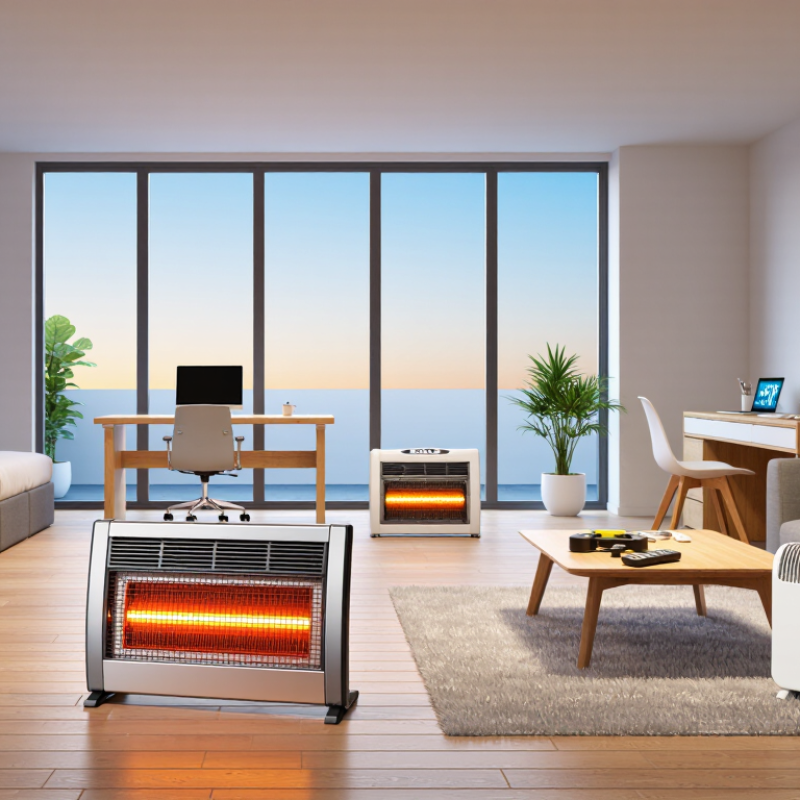
House heaters differ by heat source, delivery method, and building conditions. Electric resistance heaters suit bedrooms, offices, and small apartments because they install quickly and need little maintenance. Their drawback is operating cost, especially where electricity prices are high. Portable units can warm a desk area, but they are not a reliable whole-house solution.
Gas and oil boilers remain common in colder regions with established fuel networks. They work well with radiators and underfloor systems, providing steady heat across several rooms. However, buyers must assess ventilation, emissions rules, and fuel availability before ordering.
Heat pumps move heat rather than generate it directly. The International Energy Agency reported that global heat pump sales increased by 11% in 2022, while European sales rose by almost 40%. Air-source models fit moderate climates, while ground-source systems suit larger properties with available outdoor space. Installation quality matters more than brochures suggest.
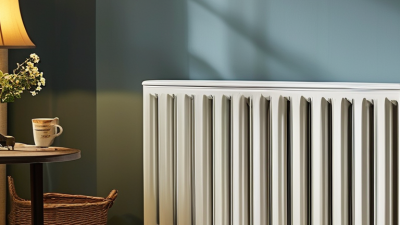
Infrared panels heat people and surfaces directly, making them useful for bathrooms, workshops, and occasional-use rooms. Hydronic radiant heating offers quiet, even comfort beneath floors or behind walls.
The U.S. Department of Energy identifies radiant heating as an efficient option when properly designed and controlled. Still, every building behaves differently. A highly insulated home may need a compact system, while an older house can waste heat through windows and roof gaps.
Low purchase prices can mislead. Seasonal efficiency, repair access, local standards, and installer experience deserve equal attention.
A serious comparison starts with measured output, not catalogue wattage. In supplier audits, I request independent test reports for capacity, efficiency, noise, and low-temperature performance. The U.S. Department of Energy says heat pumps can deliver two to four heat units per electricity unit. The IEA’s Renewables 2023 report recorded 11% global heat-pump sales growth in 2022. Check test conditions carefully. A rating at 7°C may hide weak performance at -10°C. Compare COP, seasonal efficiency, defrost behavior, controls, and standby consumption across identical conditions.
Factory reliability matters equally. Evaluate ISO 9001 controls, incoming-material checks, end-of-line testing, traceability, and corrective-action records. Ask how many units failed during the last production quarter. The answer may be incomplete. That is useful evidence, not an automatic rejection. For global buying, verify electrical safety, electromagnetic compatibility, refrigerant requirements, manuals, spare-part availability, and response times. The IEA’s The Future of Heat Pumps report estimates that wider deployment could avoid at least 500 million tonnes of CO2 emissions annually by 2030. However, efficiency depends heavily on installation quality and controls. A manufacturer promising everything deserves scrutiny. I would score warranty clarity, local service training, and five-year parts support, then test a small shipment before scaling.
Top House Heater Manufacturers for Global Buyers
Leading house heater manufacturers differ sharply by product category. Heat-pump manufacturers now lead efficiency-focused projects. The International Energy Agency reported that global heat-pump sales grew by about 11% in 2022, while European sales increased by nearly 40%. These systems suit insulated homes, moderate climates, and buyers planning lower operating costs. However, cold-weather performance, refrigerant rules, installer training, and spare-part access still require close checking. A glossy efficiency label cannot replace field experience.
Electric resistance heater manufacturers serve apartments, bedrooms, and backup heating needs. Their units are compact, quiet, and simple to install. Yet they convert electricity directly into heat, so local power prices matter greatly. Infrared heater manufacturers target spot heating, workshops, and rooms used occasionally. The International Energy Agency notes that heating demand remains a major part of household energy use, making controls and insulation as important as the heater itself. Many purchasing comparisons miss this point.
Gas and oil heater manufacturers remain relevant where fuel infrastructure is reliable. Buyers should examine combustion safety, ventilation, emissions compliance, and maintenance networks. Product certification should match the destination market, not merely the factory’s domestic requirements. The U.S. Department of Energy also emphasizes sizing, because oversized systems cycle frequently and may waste energy. That warning is easy to overlook. In practice, the best category depends on climate, building fabric, electricity prices, and technician availability. Manufacturer claims should be tested against independent laboratory data and local operating conditions.
Top House Heater Manufacturers for Global Buyers
International Standards, Certifications, and Safety Requirements
Reliable heater sourcing starts with verifiable safety evidence, not attractive packaging. Manufacturers should identify applicable standards for each destination market. IEC 60335-1 and IEC 60335-2-30 commonly guide household room-heater safety. Requirements may change for portable, wall-mounted, or bathroom models. Buyers should request current test reports, certificates, and factory quality records.
Check the certification scope carefully. A document should match the exact model, voltage, plug type, and production site. CE marking usually reflects a conformity declaration, not an independent quality award. Other markets may require separate approvals, registration, or energy information. Testing laboratories should show suitable accreditation, such as ISO/IEC 17025 recognition. Certification details matter.
Safety design deserves equal attention. Look for thermal cutoffs, stable bases, tip-over protection, flame-resistant materials, and guarded heating elements. Power cords must suit local voltage and plug standards. Moisture protection needs special review in damp rooms. Packaging should protect controls and ceramic parts during long-distance transport. Small details can prevent large failures.
Factory audits can reveal issues that certificates miss. Ask how rejected units are isolated and traced. Request records for repeated overheating tests and final electrical inspections. Some suppliers provide impressive files but weak process control. That gap deserves honest review. No inspection catches everything. A careful buyer keeps testing samples after production changes and before shipment.
| House Heater Category | Typical Product Formats | Key International Standards | Common Market Certifications or Compliance Marks | Essential Safety Requirements for Global Buyers | Recommended Technical Documents | Primary Market Considerations |
|---|---|---|---|---|---|---|
| Portable Electric Space Heaters | Fan heaters, ceramic heaters, oil-filled radiators, infrared portable heaters | IEC 60335-1; IEC 60335-2-30; EN 60335-1; EN 60335-2-30 | CE for applicable European requirements; UKCA where applicable; UL or ETL certification for the United States; CSA certification for Canada | Overheat protection, tip-over shutoff for applicable portable units, thermal fuses, flame-retardant plastics, protected heating elements, stable base, power-cord strain relief | Declaration of Conformity, electrical safety test report, EMC test report, insulation and leakage-current results, user manual, risk assessment | Voltage and plug configuration must match the destination country. Heating capacity should be stated in watts and supported by clear operating instructions. |
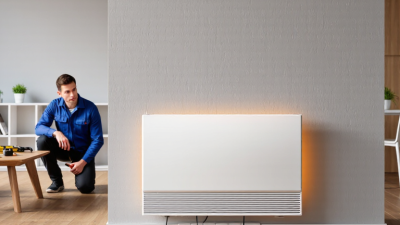
| Fixed Electric Room Heaters | Wall-mounted convectors, panel heaters, baseboard heaters, ceiling-mounted units | IEC 60335-1; relevant IEC 60335-2 product part; EN 60335 series; local installation requirements | CE or UKCA where applicable; UL 2021 or applicable North American certification; national electrical inspection requirements | Permanent-installation instructions, appropriate enclosure rating, grounding or double insulation, safe surface-temperature limits, thermal cutoff, secure mounting system | Installation manual, wiring diagram, mounting test data, IP-rating test report where claimed, electrical safety certificate, service instructions | Building codes, thermostat controls, minimum clearances, wall construction, and local requirements for fixed wiring may apply in addition to product certification. |
| Electric Infrared Heaters | Radiant panels, quartz heaters, carbon infrared heaters, outdoor infrared units | IEC 60335-1; IEC 60335-2-30; applicable photobiological and EMC requirements; IEC 60529 for claimed IP protection | CE where applicable; UL, ETL, or CSA certification depending on the North American market; UKCA where applicable | Guarding of hot or radiant elements, over-temperature protection, safe mounting angle, weather protection for outdoor models, ingress protection only when tested and declared | Radiant-temperature assessment, IP test report, EMC report, mechanical stability test, installation clearances, environmental-use limitations | Outdoor use requires an appropriate IP rating and installation method. An indoor heater should not be marketed for outdoor use without supporting testing. |
| Electric Towel and Bathroom Heaters | Heated towel rails, bathroom radiators, low-temperature wall panels | IEC 60335-1; applicable IEC 60335-2 requirements; IEC 60529 for IP protection; local bathroom-zone rules | CE or UKCA where applicable; recognized national or regional electrical certification | Suitable IP rating, residual-current protection where required, moisture-resistant construction, safe surface temperature, concealed or protected wiring, correct bathroom-zone installation | IP test report, electrical safety report, installation-zone diagram, leakage-current test, mounting instructions, cleaning and maintenance guidance | Bathrooms and wet areas have special electrical installation zones. Product IP claims must correspond to the tested configuration and installation orientation. |
| Gas-Fired Portable Heaters | Portable LPG cabinet heaters, catalytic heaters, portable radiant gas heaters | EN 449 for non-flued catalytic LPG heaters; relevant national gas-appliance standards; ISO 10239 for small craft applications only where applicable | CE under the EU Gas Appliances Regulation where applicable; UKCA where applicable; national gas certification; CSA or ANSI certification for North American products | Flame-failure device, oxygen-depletion protection where required, combustion-air requirements, cylinder restraint, hose and regulator compatibility, ventilation warnings, carbon-monoxide precautions | Type-examination certificate, gas-flow and combustion test results, leak test, stability test, installation and ventilation instructions, approved hose and regulator specifications | Fuel type, gas pressure, connector, cylinder format, ventilation rules, and restrictions on indoor use differ by country. Local gas regulations must be checked before importation. |
| Vented Gas Room Heaters | Natural-gas wall heaters, propane vented heaters, balanced-flue room heaters | Applicable EN gas-heater standards; ANSI Z21.86/CSA 2.32 for vented room heaters in relevant North American applications; local flue standards | CE under applicable European gas-appliance rules; UKCA where applicable; CSA, ANSI, or other recognized national certification | Correct flue design, combustion-air supply, flame supervision, safe ignition, gas-tight connections, overheat protection, carbon-monoxide safety, required clearances | Gas-appliance certification, combustion analysis, flue compatibility report, installation manual, gas-pressure range, service and inspection schedule | Installation normally requires qualified gas technicians. Chimney, vent termination, room volume, and fuel-gas category must comply with local building and gas codes. |
| Vent-Free Gas Heaters | Ventless blue-flame heaters, vent-free infrared heaters, supplemental gas room heaters | ANSI Z21.11.2/CSA 2.All for applicable North American products; national rules may restrict or prohibit vent-free appliances | CSA or other recognized North American certification where permitted; national approval required in the destination market | Oxygen-depletion safety shutoff, flame supervision, room-size limitations, combustion-air warnings, carbon-monoxide precautions, minimum clearances | Certification report, combustion-emissions data, room-size guidance, ventilation instructions, carbon-monoxide warning label, maintenance instructions | Availability and legality vary significantly by jurisdiction. Buyers must verify local rules before selecting a vent-free design for residential use. |
| Hydronic Radiators and Heat Emitters | Water radiators, electric boilers with radiators, low-temperature panel radiators | EN 442 for radiators and convectors where applicable; relevant pressure-equipment and electrical standards; local plumbing codes | CE or UKCA where applicable; pressure-equipment conformity where applicable; local plumbing and heating approvals | Pressure and temperature ratings, corrosion protection, secure wall mounting, pressure-relief provisions, leak resistance, compatible valves and pipework | Heat-output test data, pressure test certificate, material specification, installation guide, valve compatibility data, warranty and maintenance schedule | Declared heat output depends on water temperature and test conditions. Buyers should compare outputs using the same EN 442 or equivalent rating conditions. |
| Heat-Pump Heating Systems | Air-source heat pumps, mini-split systems, ducted heat pumps, air-to-water units | IEC 60335-2-40; IEC 60335-1; EN 14511; EN 14825; ISO 5151 where applicable; refrigerant safety requirements | CE or UKCA where applicable; regional energy-label requirements; safety certification such as UL or CSA for applicable North American products | Refrigerant charge safety, pressure protection, electrical isolation, defrost control, condensate management, low-ambient operation safeguards, qualified installation | Capacity and efficiency test data, seasonal efficiency data, refrigerant declaration, noise report, electrical safety report, installation and commissioning records | Performance varies with outdoor temperature. Refrigerant regulations, minimum energy-performance rules, installer licensing, and grid requirements differ by market. |
| Wood and Solid-Fuel Stoves | Freestanding wood stoves, pellet stoves, fireplace inserts, solid-fuel room heaters | EN 13240 for room heaters fired by solid fuel where applicable; EN 14785 for residential pellet appliances; applicable EPA or national emissions rules | CE where applicable; Ecodesign requirements in relevant European markets; EPA certification for applicable United States products; national building approval | Combustion-air supply, chimney compatibility, fire-resistant clearances, door-locking mechanism, ash containment, overfire protection, carbon-monoxide alarm guidance | Emissions and efficiency test report, installation manual, chimney compatibility data, clearance diagram, fuel specification, maintenance schedule | Fuel moisture, pellet quality, chimney design, local smoke-control rules, and minimum distance from combustible materials are critical for safe installation. |
| All Heater Types | Residential heating products sold through international distribution channels | IEC or ISO product standards plus destination-country electrical, gas, EMC, chemical, environmental, and energy-efficiency requirements | CE, UKCA, UL, ETL, CSA, or other marks only when issued or authorized under the relevant conformity-assessment system | Traceable model and serial numbers, durable safety labels, multilingual instructions, clear warnings, validated protective devices, recall and service process | Technical file, bill of materials, risk assessment, conformity declaration, laboratory reports, quality-control records, packaging specifications, spare-parts list | Certification is usually model- and market-specific. A certificate for one voltage, fuel type, or configuration may not cover another version. |
Top House Heater Manufacturers for Global Buyers
Choosing a house heater supplier requires more than comparing catalog prices. Global buyers should check heating performance, energy use, safety testing, and production consistency. Ask for recent test reports, material specifications, and clear voltage options for your target market. A supplier with documented quality procedures usually handles large orders more reliably. However, attractive paperwork does not always prove factory capability.
Request a working sample before signing a major contract. Test it in a cold room, measure warm-up time, and inspect the plug, thermostat, cable, and outer casing. Confirm minimum order quantities, lead times, packaging strength, and spare-part availability. A practical supplier should explain warranty procedures without vague promises. Communication also matters. Slow answers during sampling may become serious delays after shipment. I have seen buyers focus too heavily on unit price and overlook replacement costs. That mistake can damage customer trust.
Tips: Compare at least three suppliers. Ask for factory videos or an independent audit. Check whether manuals support your customers’ languages. Confirm heating coverage using room size, insulation, and local climate data. Do not accept one impressive sample as final proof. Batch consistency can still fail. Keep written records of every technical promise, including delivery dates and warranty terms. A short video call with the production manager may reveal more than a polished sales presentation. Suppliers should welcome reasonable questions, not avoid them.