Smart Heating Solutions

Who Is the Best Baseboard Heater Manufacturer in China?

Choosing the best baseboard heater manufacturer in China takes more than comparing prices or polished product photos. Buyers need to examine construction, heat output, control options, testing practices, and the quality of technical support. A heater may look sturdy online, yet details such as fin spacing, casing thickness, and thermostat response matter once it is mounted beneath a cold window.

The product type matters, too. Electric and hydronic baseboard heaters use different designs and require different checks. Hydronic-heating specialist John Siegenthaler’s published guidance can be paraphrased as a practical reminder: match heat emitters to the building’s actual heating requirements. This is a paraphrase, not a direct quotation. It points to an important question for manufacturers: can they provide clear specifications and explain how their products are tested?

A useful comparison looks beyond the catalogue. Ask about materials, production consistency, available safety features, customization, and documented quality checks. Request product data, installation guidance, and sample units when possible. Then compare the answers against your project’s needs, not just the lowest quote.

Small details count. A loose grille or vague warranty can signal bigger concerns. Still, no checklist guarantees a perfect supplier. Factory claims deserve verification, and even careful buyers can miss something. This guide will compare Chinese manufacturers using practical criteria, while noting where public information is limited. The goal is a better-informed shortlist—not an unsupported declaration of a single “best” baseboard heater maker.
Who Is the Best Baseboard Heater Manufacturer in China?

What Baseboard Heaters Are and How They Are Made in China

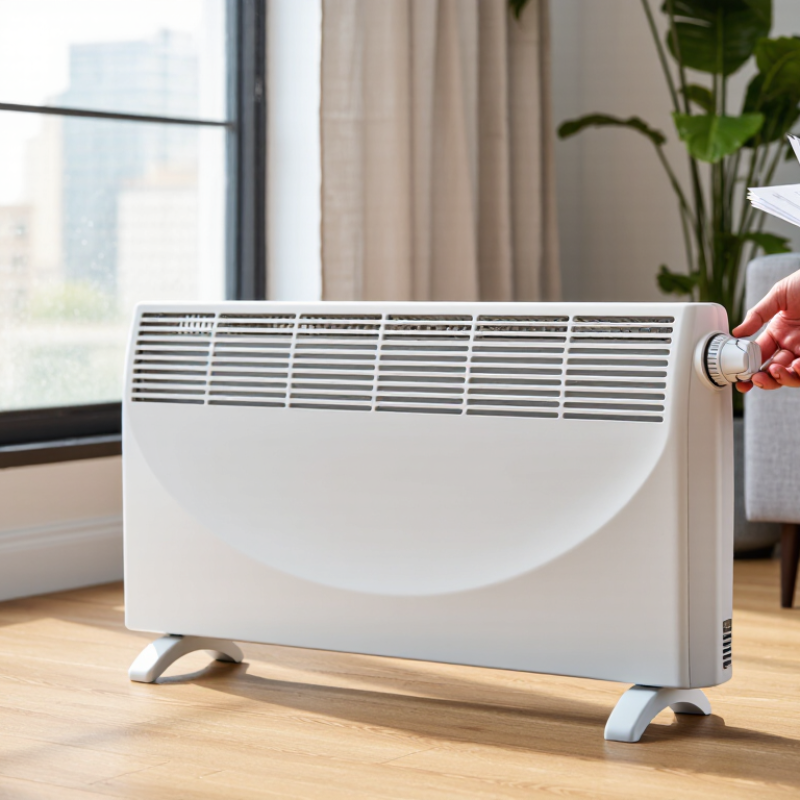
Baseboard heaters sit low along a wall and warm a room near floor level. Electric models use resistance elements, while hydronic designs transfer heat through a fluid-filled exchanger. Their slim covers help direct warm air upward, but room layout and insulation still affect comfort.

In China, production often begins with cutting and bending sheet metal for the housing. Depending on the design, factories assemble heating elements, fins, wiring, and controls, then apply a protective finish. Workers may check dimensions, electrical connections, surface quality, and heating performance before packing. A careful manufacturer documents these checks and keeps specifications consistent across batches. Still, factory capability can vary, and a polished sample does not guarantee every shipment will match. Small details count. A slightly uneven cover can complicate installation.

Tips: Ask for material specifications, test records, and clear drawings before comparing suppliers. Confirm voltage, output, dimensions, and control options for your project. Request a production sample when possible, and inspect the finish and wiring closely. Fit matters.

How China’s Baseboard Heater Manufacturing Industry Is Organized

Who Is the Best Baseboard Heater Manufacturer in China?

China’s baseboard heater industry is organized around specialized suppliers, assembly factories, and export teams. Some companies make heating elements or metal housings, while others focus on final assembly. This division can improve efficiency, but it also means a finished heater may include parts from several sources.

Manufacturing usually moves from component sourcing to forming, wiring, assembly, and inspection. Factories may differ in their heating designs, materials, production capacity, and ability to customize products. A polished catalog tells only part of the story. Buyers should ask how temperature controls are tested, what inspection records are available, and whether sample units match the proposed production specification. Details matter. Even small wiring or fit issues can affect installation and service.

Tips: Request a sample and a clear bill of materials. Check the factory’s quality process, not just its sales claims. Ask who handles component changes during production. One detail is easy to miss: suppliers may describe similar products differently, so compare specifications line by line. Then confirm any open questions in writing.

Who Is the Best Baseboard Heater Manufacturer in China? — How China’s Baseboard Heater Manufacturing Industry Is Organized

Industry Segment Typical Role Common Products and Processes Potential Strengths What Buyers Should Verify
Electric-heater manufacturers Design or assemble electric resistance heating products for residential and commercial use. Electric baseboard heaters, heating elements, sheet-metal housings, wiring, controls, and final assembly. May offer a relatively direct route for projects requiring electric models, customized controls, or private-label production. Confirm rated voltage and wattage, thermostat compatibility, over-temperature protection, applicable safety testing, and the exact product configuration.
Hydronic-heater manufacturers Produce heaters that transfer heat from hot water or another circulating heat-transfer fluid. Baseboard heating units, heat-exchanger sections, metal fins, casings, and connections for hydronic systems. Can serve building projects designed around a central boiler or other hydronic heat source. Check material specifications, operating pressure and temperature limits, connection details, heat-output test conditions, and compatibility with the project’s system.
Integrated manufacturers Manage several stages of production, which may include component fabrication, finishing, assembly, and product testing. Processes can include metal forming, cutting, coating, element installation, wiring, assembly, and inspection. Greater control over production coordination may help with repeat orders and product customization. Ask which operations are performed in-house, which are subcontracted, and how incoming materials, production batches, and finished units are inspected.
OEM and ODM factories Manufacture products to a buyer’s specification (OEM) or provide design and development support (ODM). Custom dimensions, finishes, packaging, controls, electrical specifications, and product documentation may be available. Can support importers, distributors, and project buyers seeking a product tailored to their market or sales channel. Review drawings and samples, clarify ownership of tooling and design files, define change-control procedures, and confirm minimum order quantities and lead times.
Component suppliers Supply parts used by heater assemblers rather than necessarily selling complete baseboard heaters. Heating elements, thermostats, sensors, cables, metal housings, extrusions, fasteners, and surface-finished parts. Specialist component production can give assemblers flexibility in sourcing and product configuration. Verify component ratings, material traceability, dimensional tolerances, supplier-change notification, and compatibility with the finished heater.
Export-oriented manufacturers and sourcing partners Coordinate production, export documentation, packaging, and communication for overseas customers; some are manufacturers and others act as intermediaries. Export packing, product labeling, shipment coordination, and documentation for the destination market. May simplify purchasing for buyers managing international logistics or multiple product requirements. Establish whether the contracting party owns or operates the factory, identify the actual production site, and confirm who is responsible for quality issues and compliance documents.
Quality and compliance considerations Apply across all supplier types; requirements depend on product design and the destination market. Electrical safety checks, performance testing, production inspections, technical files, and market-specific conformity documentation. A documented quality process can improve consistency between samples and production batches. Check that certificates and test reports cover the exact model and factory. Requirements differ by country; do not assume one certificate applies to every market.
How to identify the best-fit supplier Compare suppliers against the application rather than relying on a generic ranking. Evaluate product type, engineering support, manufacturing scope, testing, customization, delivery capability, and after-sales support. A supplier with relevant product experience and verifiable processes is generally a better fit than one selected on price alone. Request technical specifications, a production sample, test evidence, factory-process details, references where available, and a written quotation with clearly defined terms.

Important: There is no universally “best” manufacturer for every buyer. The right choice depends on whether the project needs an electric or hydronic heater, the destination market’s requirements, customization needs, order volume, and the supplier’s verifiable production and quality capabilities.

What Makes a Baseboard Heater Manufacturer Stand Out

A standout baseboard heater manufacturer does more than shape metal and install heating elements. It can explain how its products perform in ordinary rooms, where cold corners and changing thermostat settings reveal weaknesses. Ask for test records covering heat output, electrical safety, and temperature consistency. Clear answers matter. So do samples with even coatings, secure end caps, and no sharp edges. These details are easy to overlook in a catalog.

Production consistency is another useful measure. A reliable factory checks dimensions, wiring, and surface finish across batches, not just on one display unit. Request inspection criteria and ask how defects are recorded and corrected. A precise installation guide, readable wiring diagram, and accessible technical support can save time on site. The response should be specific, not merely reassuring. Even capable manufacturers can miss a detail; honest discussion of limitations is more credible than a claim of perfection. Compare lead times, customization options, packaging, and spare-part availability against your project needs. A short conversation about a room layout can reveal whether the team understands practical heating requirements.

How to Compare Chinese Baseboard Heater Manufacturers

When comparing Chinese baseboard heater manufacturers, look beyond catalog photos and quoted prices. Ask for rated heat output, operating voltage, surface-temperature limits, and test conditions. Results should identify the tested model, not just a similar product. Check whether heating elements, housing materials, and temperature controls match your intended room and installation. Details matter. A polished specification sheet is useful, but it cannot replace a sample test.

Tips: Request a sample and run it for several hours. Check heat distribution, control response, and noise. Ask for applicable test reports and verify the model numbers. Compare written warranty terms, spare-part availability, production lead times, and the process for handling defects.

A factory’s quality process matters as much as its equipment. Ask how incoming materials are checked and how finished heaters are tested before packing. Photos or video can help, but a clear inspection record is better. If possible, review a production sample against the approved specifications. One detail is easy to miss: packaging. A well-built heater can still arrive with bent fins or scratched finishes if cartons are weak. No comparison removes all uncertainty, so record open questions before placing an order.

How to Choose the Best Manufacturer for Your Needs

There is no universal best baseboard heater manufacturer; the right choice depends on your project. Start with the heater’s rated voltage, wattage, dimensions, and control options. Ask whether the design suits your installation, room size, and local electrical requirements. Request a sample and check its finish, wiring, mounting brackets, and thermostat response. Small details matter. Ask for test reports covering temperature rise, insulation, and repeated operating cycles. Confirm that documents match the exact model, not merely a similar product. Useful evidence beats confident sales language.

Then assess the supplier’s production discipline: incoming-material checks, in-process inspections, and final testing should be clearly described. Ask how defects are recorded, how changes are approved, and who handles replacement parts. These answers reveal more than a low quotation. Check realistic lead times, minimum order quantities, packaging, and support after delivery.

For export orders, verify required certifications with the relevant testing body in your destination market. Do not assume one certificate covers every configuration. If possible, compare two samples after several hours of operation, noting noise, surface temperature, and control stability. A factory visit or independent inspection can help, though it adds cost and time.

I would still leave room for doubt: one clean sample cannot prove every production batch will match.