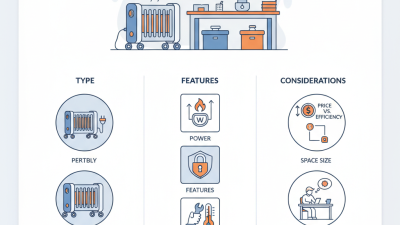
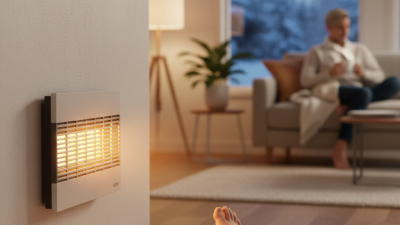
Smart Heating Solutions

What Is the Best Portable Space Heater in 2026?

Choosing the best portable space heater in 2026 is not simply about maximum wattage. It means matching heat output, controls, and size to a particular room and routine. A compact ceramic heater may warm a chilly desk area quickly, while a model with a thermostat may suit longer sessions better. Neither choice is automatically right for every home.

This guide looks at the practical details that shape everyday use: heating performance, energy use, noise, portability, and ease of operation. It also considers safety features, including tip-over protection and overheat shutoff. These features can reduce certain risks, but they do not make a heater safe to leave unattended. Follow the manufacturer’s instructions, keep the unit clear of curtains and bedding, and use a suitable outlet.

Small details matter. A bright display can be distracting at night. A short cord can limit placement. We’ll compare heater types and explain which features are worth prioritizing for bedrooms, offices, and small living spaces. Where product claims are difficult to verify, this guide will treat them cautiously rather than assume they reflect real-world results. Room insulation, ceiling height, and outdoor temperatures can all affect how warm a space feels. That makes a single universal winner unlikely. The goal is to help you find a portable space heater that fits your needs, budget, and room—not just the most impressive specification sheet.
What Is the Best Portable Space Heater in 2026?

What Defines a Portable Space Heater in 2026?

In 2026, “portable” should mean more than a lightweight box with a handle. It should be self-contained, easy to move between rooms, and designed for supplemental, room-level heat. No installation. No permanent vent. A practical definition also includes a stable base, reachable controls, and a power cord suited to the room. I would not treat low weight as proof of portability; a short cord can make even a light heater awkward. That detail is easy to miss.

Safety and usability belong in the definition, not as optional extras. The U.S. Consumer Product Safety Commission has estimated that portable heaters are associated with about 1,700 residential fires annually, causing roughly 80 deaths and 160 injuries. Those estimates, based on 2017–2019 data, make tip-over and overheat shutoffs worth checking, along with clear operating instructions. They do not make any heater risk-free. A heater that is simple to carry but difficult to place safely is only partly portable. In real rooms, furniture, pets, and outlet locations can limit where it works. The best portable heater in 2026 should fit those ordinary constraints, not just look compact on a specification sheet.

How to Compare Heating Performance, Energy Use, and Safety

A portable space heater is most useful when it warms the room you actually occupy, not the whole home. Compare models by their heat settings, thermostat control, and suitability for your room’s size. A heater with a fan may spread warmth quickly, while a radiant model can feel warmer beside a desk. Check the rated wattage: higher settings draw more electricity, and running a heater for hours can noticeably affect your bill. A lower setting may be enough in a small, closed room. Results vary with drafts and insulation.

Tips: Measure the room and check the heater’s instructions before buying. Look for recognized safety certification, tip-over protection, and overheat shutoff. Place it on a level, hard surface, away from curtains, bedding, and furniture. Keep the cord unobstructed and plug the heater directly into a wall outlet; avoid extension cords and power strips. Unplug it when leaving the room or going to sleep. Small habits matter.

Compare safety and performance together. A powerful heater is not automatically the best choice if it lacks stable controls or feels too hot nearby. Check whether the thermostat cycles smoothly, and listen for fan noise if you work or sleep close by. I would also test how quickly the room warms, rather than trusting a broad coverage claim. That test is imperfect: outdoor temperature and room layout can change the result.

Which Heater Types Suit Different Spaces and Needs?

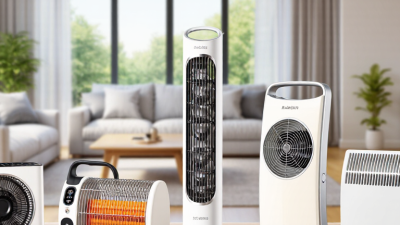
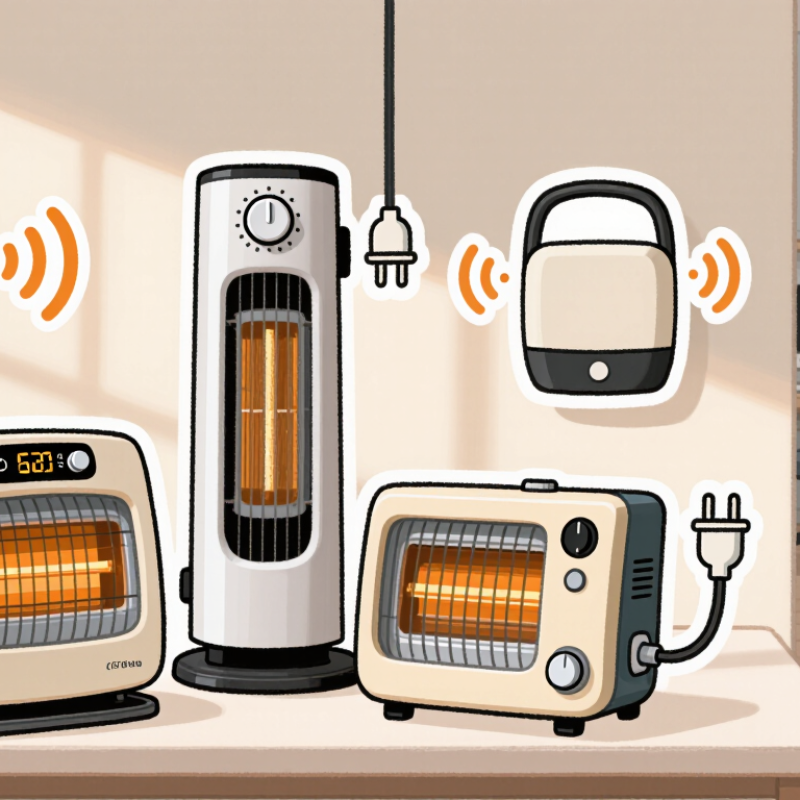
Choosing a portable heater starts with the space, not the highest wattage. A ceramic fan heater can warm a small room quickly, making it useful near a desk or in a chilly bathroom. Its moving air may feel drafty, and the fan can be distracting during quiet work. Small rooms differ. Check the heater’s rated coverage against the room’s size and insulation; a cold, leaky space may need more than a compact unit can provide.

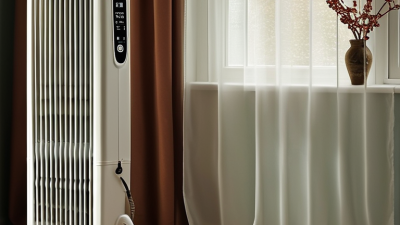
Oil-filled radiator heaters warm more gradually and usually operate quietly, so they can suit bedrooms or work areas where steady heat matters. Their surfaces can remain hot after shutdown, though, so keep them away from children, pets, and fabrics. Infrared heaters direct warmth toward people and objects nearby. They work well for a seated person in a larger, cooler room, but warmth may fade when you move outside the heater’s line of sight. Panel heaters offer gentle convection, but may take longer to change how a cold room feels. That matters.

Whatever type you choose, place it on a stable, level surface with the manufacturer’s required clearance from curtains, bedding, and furniture. Plug it directly into a wall outlet, and avoid running it unattended. Thermostats and tip-over protection add useful safeguards, but they do not replace careful placement. A heater that suits one corner may feel inadequate across the whole room.

How to Evaluate Portable Space Heaters for Different Uses

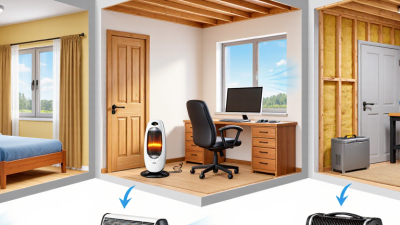
Choosing a portable space heater starts with the room, not the product label. Measure the floor area and note drafts, window quality, and ceiling height. A heater that feels adequate beside a desk may struggle in a cold, open living room. Check the manufacturer’s room guidance and rated power. Also consider whether other high-power appliances share the outlet’s circuit. This detail is easy to miss.

Match the heating style to the task. Fan-assisted ceramic models warm nearby air quickly, but airflow may feel drying and the fan adds sound. Radiant models suit short bursts of warmth at a chair or workbench. Oil-filled units heat more gradually and may stay warm after switching off, though they are heavier to move. There is no universal winner. I’d compare noise, portability, thermostat control, and steady comfort—not just price. A digital display cannot guarantee even warmth. Look for tip-over and overheat shutoff, and keep the heater on a level, hard surface with clear space around it.

Tips: Test the heater where you actually sit. Give it ten minutes, listen from across the room, and see whether the thermostat cycles comfortably. Plug it directly into a suitable wall outlet. Keep it away from curtains, bedding, and wet areas. If the room stays chilly, sealing a drafty window may help more than choosing a larger heater.

How to Choose and Use a Portable Space Heater Safely

Choosing a portable space heater starts with the room, not the thermostat. For a small workspace, select a model sized for the area, with a stable base, tip-over shutoff, and overheat protection. Check that an independent testing laboratory has evaluated it. Keep the heater on a firm, level floor, away from curtains, bedding, and furniture. NFPA’s Home Heating Fires report, using 2016–2020 data, found that space heaters were involved in about one-third of home heating fires and most related deaths. Small details matter.

The U.S. Consumer Product Safety Commission advises keeping heaters at least three feet from anything that can burn and plugging them directly into a wall outlet. Avoid extension cords and power strips. Turn the heater off when leaving the room or going to sleep. A warm patch beside the desk can make a heater seem harmless; that impression is easy to trust too much. Check the cord and plug for damage, and stop using the unit if either feels unusually hot. Keep children and pets from brushing against it. No feature replaces supervision, and even careful routines can slip on a busy evening.

What Is the Best Portable Space Heater in 2026?

A heater’s energy use depends on its power rating and how long it runs. This chart shows estimated electricity use for a 1,500-watt heater running continuously on high.

How to use this: Energy use is calculated as 1.5 kilowatts × operating hours; actual use may be lower if the heater has a lower setting or cycles off. For safer use, keep the heater at least 3 feet from anything that can burn, plug it directly into a wall outlet, and turn it off when leaving the room or going to sleep.