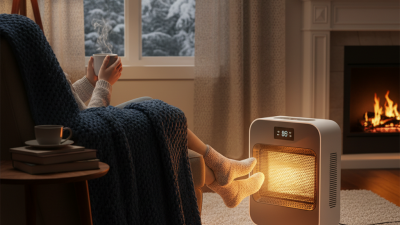
Smart Heating Solutions

How to Choose the Best Portable Space Heater

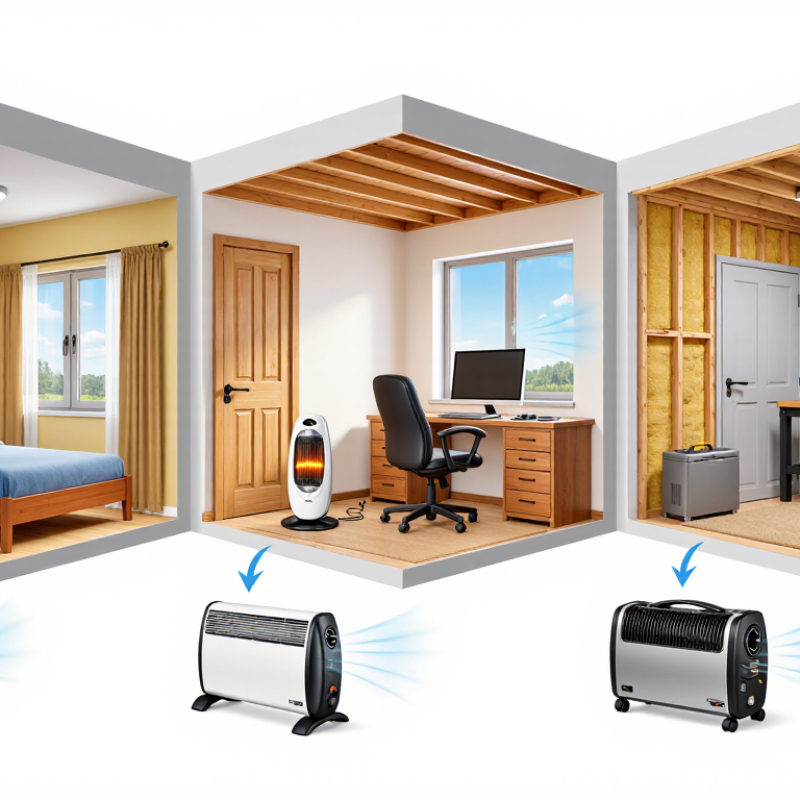
Choosing the right portable space heater starts with the room, not the product photo. A compact bedroom, a drafty home office, and a chilly workshop place different demands on a heater. Measure the space, note ceiling height, and look for cold spots near windows or exterior walls. Then compare the heater’s stated coverage with your actual room. Those numbers are useful, but they are estimates, not promises. Insulation and airflow matter.

This guide explains the features worth checking before you buy. We’ll look at heating type, thermostat controls, noise, energy use, and how easy each model is to move. Safety deserves close attention. Check for recognized safety certification, tip-over protection, and overheat shutoff, then read the manufacturer’s instructions. Keep the heater on a stable, level surface, away from curtains, bedding, and other objects that can burn. Avoid placing it where cords cross a walkway, and follow the manufacturer’s guidance on outlets and extension cords. Small details matter.

A lower price can be tempting. It may not mean lower running costs. Compare the rated wattage and your local electricity price to estimate likely use, while remembering that heating habits change the bill. No single model suits every home. Even a well-reviewed heater may feel too loud beside a desk or too weak in a drafty room. The best choice balances warmth, safe operation, comfort, and the space you need to heat. Check the details twice.
How to Choose the Best Portable Space Heater

Understand the Main Types of Portable Space Heaters

How to Choose the Best Portable Space Heater

Understand the Main Types of Portable Space Heaters

Portable heaters mainly use convection, radiant heat, or a combination of both. Convection models warm the air around them. Ceramic units often use a fan, helping a cold room feel warmer quickly. Oil-filled radiators also rely on convection, but their metal fins release heat gradually and quietly. Radiant heaters send infrared energy toward people and nearby surfaces, which can feel comfortable beside a desk or sofa. They may not warm a whole room evenly. I still find that difference easy to underestimate.

The NFPA’s 2021 Home Heating Fires report estimated an annual average of 44,210 U.S. home structure fires involving heating equipment from 2016 to 2020. This figure covers heating equipment broadly, not portable heaters alone. Still, it’s a useful reminder to consider placement and safety alongside heating style. A fan-assisted ceramic heater suits quick, targeted warmth; an oil-filled model may suit longer, quieter use. Radiant heat works best when you can sit within its direct path.

Tips: Match the heater to the room and your routine. Check its safety instructions, keep it on a stable surface, and leave clear space around it. A heater that feels perfect at your feet may leave the far side of the room cold.

Match Heater Type and Output to Your Room

Start with the room, not the heater. Measure its floor area and notice high ceilings, drafty windows, or doors that stay open. Use about 10 watts per square foot as a rough estimate; insulation and cold weather can shift the result. Don’t buy by area alone.

Convection heaters warm air gradually, which can suit a closed bedroom or office where steady heat matters. Radiant models warm people and nearby surfaces quickly. They work well beside a desk, but distant corners may remain cool.

Fan-assisted heaters circulate warmth faster, though the airflow can feel distracting in a quiet room.

Compare the heater’s rated output with your room estimate and your outlet’s capacity. A lower setting may be enough for a small, well-insulated space, while a larger or draftier room can lose heat quickly. Adjustable output and a thermostat help avoid running more heat than needed. Keep the unit on a stable, clear surface, away from curtains and furniture. One detail is easy to misjudge: a heater can feel powerful beside your chair while leaving the rest of the room chilly. Check the temperature where you actually spend time.

Compare Safety Features and Certifications

A portable space heater should make a room comfortable without creating avoidable risks. Look for automatic shutoff if the unit tips over or overheats, plus a stable base and a cool-touch exterior. These features matter near rugs, curtains, and busy walkways. Check that controls are easy to reach, even when the heater sits on the floor. Small details count.

Certifications offer another useful check. Look for a safety certification mark from an independent testing organization recognized in your region. Confirm that the mark applies to the exact model, not just the product category, and compare the model number with the manual or certification listing. A vague “safety tested” claim is not the same as a verifiable certification. Read the instructions, too. They explain limits that a label may not show.

At home, place the heater on a firm, level surface and follow the clearance distances in its manual. Keep it away from water and anything that can burn. Plug it directly into a suitable wall outlet if the instructions require it; avoid improvised setups. Even a well-certified heater can be a poor fit for a cramped room. I might still overlook a warning label on a hectic day, so clear controls and simple instructions deserve attention.

How to Choose the Best Portable Space Heater: Compare Safety Features and Certifications

How to read this chart: Each bar represents one item to check, not how often it appears on products. Look for tip-over shutoff and overheat protection, and check the heater’s instructions for safe placement and operation. Confirm that the exact model bears a recognized certification mark, such as UL, ETL, or CSA; the mark indicates evaluation to applicable safety standards, not that every model has identical features.

Assess Energy Use, Controls, and Running Costs

Choosing the best portable space heater starts with its wattage and the room’s heat loss. Check the label. A common 1,500-watt setting uses 1.5 kilowatt-hours each hour. Lower settings can reduce consumption, but may not keep a drafty room comfortable. Small difference. An adjustable thermostat helps prevent continuous heating after the room reaches a comfortable temperature. A timer can limit use during the hours you are home. Read the label. Compare the controls, too: a clear thermostat and visible setting indicators make it easier to avoid running the heater longer than intended.

Running costs depend on local electricity prices and daily use. The U.S. Energy Information Administration’s Electric Power Annual reported an average residential electricity price of about 16 cents per kilowatt-hour in 2023. At that rate, a 1,500-watt heater running five hours daily for 30 days would use 225 kilowatt-hours and cost about $36, before taxes or other charges. Your bill may differ considerably. Check your utility rate and heater’s actual wattage; cycling thermostats can make real consumption lower than this full-power estimate. A plug-in energy meter can help track usage, though it must be rated for the heater’s electrical load. A careful estimate is useful, but not exact.

How to Choose the Best Portable Space Heater: Energy Use, Controls, and Running Costs
Heater type Typical power and heat delivery Useful controls and features Estimated running cost* Best suited to What to consider
Fan-forced ceramic Commonly up to 1,500 W; warms a room quickly by moving air across a heated element. Adjustable thermostat, low/high heat settings, fan-only mode, timer, and tip-over or overheat shutoff on many models. At 1,500 W: about $0.24 per hour at full power; about $57.60 for 8 hours daily over 30 days. Short periods of heating in small, occupied rooms where quick warmth is useful. The fan can create noticeable airflow and noise. Full-power cost is similar to other 1,500 W electric-resistance heaters.
Oil-filled radiator Often rated up to 1,500 W; heats oil inside the unit, which then radiates warmth into the room. Thermostat, multiple heat settings, timer, and sometimes a programmable schedule or remote control. At 1,500 W: about $0.24 per hour at full power; about $57.60 for 8 hours daily over 30 days. Steady, quiet heating during longer periods in a room. It warms up and cools down gradually and can be heavy. Stored heat may continue after the element switches off, but this does not make it inherently more energy-efficient.
Infrared or radiant Commonly 750–1,500 W; directs radiant heat toward people and nearby objects rather than relying mainly on whole-room air circulation. Low/high settings, thermostat on some models, timer, and tip-over or overheat protection on many models. At 750 W: about $0.12 per hour at full power; about $28.80 for 8 hours daily over 30 days. At 1,500 W: about $57.60 monthly on the same schedule. Targeted warmth for someone sitting in a defined area. Comfort is most noticeable within the heater’s line of sight. Keep the required clearance from people, furniture, curtains, and other combustible materials.
Micathermic panel Often around 1,500 W; combines radiant heat with natural air convection. Thermostat, heat-level settings, timer, and wall-mounting option on some models. At 1,500 W: about $0.24 per hour at full power; about $57.60 for 8 hours daily over 30 days. Quiet supplemental heating where a low-noise unit is preferred. Heating response and coverage depend on room size, layout, and insulation. Check whether the model is designed for floor or wall installation.

How the estimates are calculated: Costs assume an electricity rate of $0.16 per kWh, continuous operation at the stated wattage, and 8 hours of use per day for 30 days. Your actual rate may differ. A thermostat can reduce energy use by cycling the heater on and off, so real costs depend on the set temperature, room insulation, outdoor conditions, and usage. For any heater, follow the manual’s clearance and placement instructions, plug it directly into a suitable wall outlet, and do not leave it unattended while operating.

Check Portability, Maintenance, and Warranty

How to Choose the Best Portable Space Heater

Portability is more than a low number on the box. Check the heater’s weight, grip, and footprint, then picture carrying it from a bedroom to a living room. A sturdy handle helps, but a short cord may limit where you can place it. Wheels can be useful on smooth floors and awkward on thick rugs. Small details matter. Check whether the controls are easy to reach and read, especially if the heater will sit beside a desk. A lighter model may be easier to move, though it can feel less stable. That trade-off deserves a closer look.

Tips: Before cleaning, switch the heater off, unplug it, and let it cool completely. Follow the manual’s instructions for dusting vents or cleaning a filter. Never assume a filter is washable; check first.

Maintenance and warranty can affect the real cost of ownership. Look for removable parts that are straightforward to inspect, and consider how often the manual recommends cleaning. Dust gathered around vents can reduce airflow, so regular checks are practical. Warranty terms vary. Read the duration, coverage, and exclusions before buying, and keep the receipt and product details together. A warranty may not cover wear or damage from improper care. It’s easy to skip this step when shopping, and I would not treat a long warranty as proof that a heater will last longer. Compare the terms with the upkeep you can realistically manage.