Smart Heating Solutions
Top 10 Portable Space Heaters for Global Buyers
A portable space heater can make a chilly desk corner comfortable within minutes, but choosing one for international use takes more than comparing wattage. Buyers must match heating capacity to room size and check voltage, plug type, controls, noise, and locally accepted safety certifications. A model suited to a small bedroom may feel underpowered in an open living area. Small details matter.
Grand View Research estimated the global space-heater market at about US$7.9 billion in 2023 and forecast continued growth through 2030. That signals broad demand, not a guarantee of quality or value. Market growth alone proves very little about how a heater performs in daily use. For safety context, the U.S. National Fire Protection Association reports that space heaters are involved in a notable share of home-heating fires. NFPA vice president Lorraine Carli has stated: “Space heaters are involved in one-third of home heating fires and four out of five home heating fire deaths.” Buyers should therefore look for stable construction, automatic shutoff features, clear instructions, and suitable placement guidance.
This Top 10 guide is designed for global buyers comparing portable space heater options across different needs and markets. It considers practical features, room suitability, ease of use, and the importance of checking regional requirements before purchase. A ranking cannot replace hands-on testing in every country, and product specifications can vary between versions. That limitation deserves attention. The right choice is the heater that fits the room, power supply, and user—not simply the one with the most features.
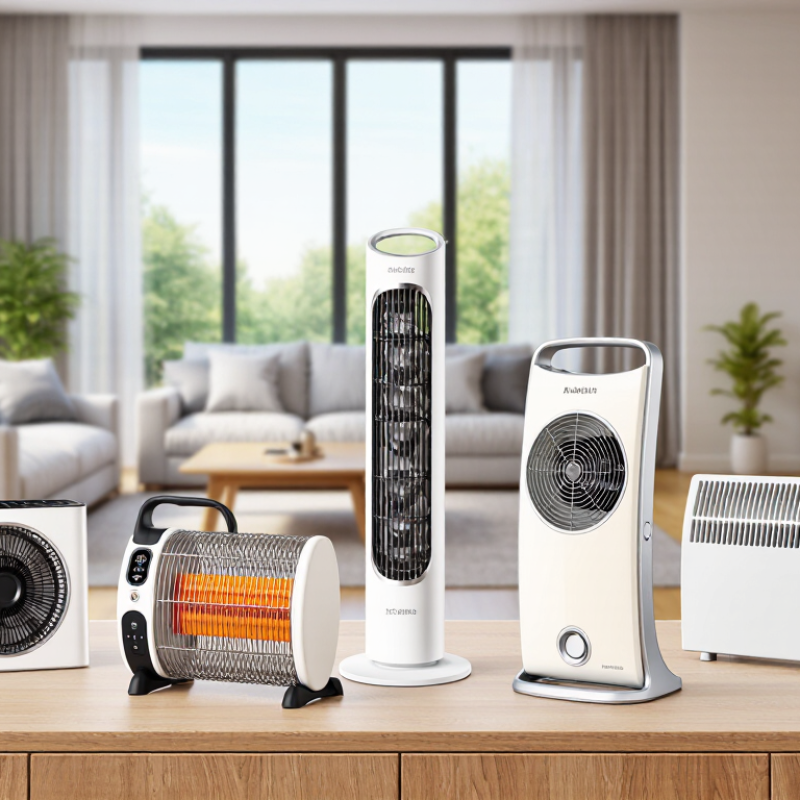
Understanding How Portable Space Heaters Work
A portable space heater turns an energy source into heat, then transfers that heat to nearby air or surfaces. In an electric resistance model, current passes through a heating element, which warms as resistance converts electrical energy into heat. A fan-forced unit pushes room air across the element, so warmth can be felt quickly. Not instantly. Radiant models send infrared energy toward people and objects, warming them directly instead of heating all the air first. Oil-filled radiators heat sealed oil inside, then release warmth gradually through metal fins. The oil is not burned or routinely replaced.
A thermostat senses temperature near the heater and switches the heating cycle on and off. Its reading may differ from the temperature across the room. Placement matters: a cold draft or nearby curtain can affect performance and safe operation. A higher wattage can deliver more heat, but room size, insulation, and drafts still matter. Check the heater’s voltage and plug requirements against the destination’s power supply; a plug adapter does not convert voltage. Keep clear space around the heater, place it on a stable surface, and follow the manual. Never cover it.
Top 10 Portable Space Heaters for Global Buyers - Understanding How Portable Space Heaters Work
The ranking below compares common portable heater types, not specific products. Power and room-area figures are typical estimates, not guaranteed performance. As a rough guide, a well-insulated room may need about 70–100 W per square metre; climate, ceiling height, insulation, and local electrical standards can change requirements. Always check the unit’s rating plate and local safety rules.
| Rank | Heater Type | How It Works | Typical Power or Fuel | Typical Use | Main Advantages | Key Buyer Considerations |
|---|---|---|---|---|---|---|
| 1 | Ceramic Fan Heater | An electric current warms a ceramic heating element; a fan moves air across it and into the room. | About 750–1,500 W; model voltage varies by market. | Quick spot heating in a small room, often around 8–15 m² under suitable conditions. | Heats quickly, is usually compact, and often offers adjustable heat settings. | Fan noise and moving air may bother some users. Check for tip-over protection, overheat protection, and a thermostat. |
| 2 | Oil-Filled Radiator | An electric element heats sealed thermal oil, which transfers heat to the radiator’s metal fins. | About 600–2,500 W, depending on size and setting. | Steady background warmth in small or medium rooms, approximately 8–25 m² depending on insulation and output. | Silent operation and retained warmth after the element switches off. | Takes longer to warm up and can be heavy. The exterior gets hot; keep it clear of curtains and other combustibles. |
| 3 | Quartz or Halogen Radiant Heater | Electricity heats radiant tubes that send infrared energy directly toward people and nearby surfaces. | About 400–1,500 W, commonly with selectable settings. | Personal or directional heating in a draft-free area; comfort is strongest within the heater’s line of sight. | Provides a quick sensation of warmth without needing to heat all the room air first. | Coverage is directional rather than uniform. Keep the required clearance from people, fabrics, and furniture. |
| 4 | Convection Panel Heater | Air warms as it passes over an electric element, then rises and circulates through the room. | About 500–2,000 W for portable models. | Gradual, even heating in a small or medium enclosed room. | Usually quiet and suited to maintaining a steady room temperature when equipped with a thermostat. | Warms more gradually than a fan heater. Confirm whether the model is freestanding, wall-mounted, or both. |
| 5 | Micathermic Heater | An electric element heats mica panels, which warm the room through a combination of radiant heat and natural convection. | About 1,000–2,000 W for many household models. | Supplementary heating in small or medium rooms, often around 10–20 m² depending on conditions. | Typically quiet and lighter than many oil-filled radiators of similar output. | Surface temperature and safety features vary. Use only on a stable surface and follow the specified clearances. |
| 6 | Fan-Forced Electric Heater | A fan pushes air over an electric resistance element, distributing warmed air around the immediate area. | About 500–2,000 W; voltage and plug requirements are market-specific. | Fast supplementary heat for a small room or work area. | Often lightweight, portable, and able to deliver heat quickly. | Produces fan noise and may circulate dust. Do not use near water unless the product is specifically rated for that location. |
| 7 | Infrared Panel Heater | An electric panel emits infrared radiation that warms people and surfaces rather than directly heating air first. | About 300–1,200 W for many portable or compact panels. | Directional personal warmth or supplementary heating in a small area. | Quiet operation and no fan; can be useful where direct radiant warmth is preferred. | Effectiveness depends on positioning and line of sight. Check surface temperature, mounting instructions, and clearances. |
| 8 | Portable Heat-Pump Unit | A refrigeration cycle transfers heat from outdoor air through a window-connected exhaust system into the room. | Electrical input often around 700–1,500 W; heating output can exceed input because heat is transferred rather than made directly. | Heating and often cooling for a room, subject to the unit’s operating temperature range. | Can provide more heat per unit of electricity than resistance heating under suitable outdoor conditions. | Requires an exhaust hose and window setup. Performance can fall in cold weather; check heating capacity, climate limits, and refrigerant compliance. |
| 9 | Indoor-Rated Portable Propane Heater | Propane combustion produces heat; some models use a radiant surface or a fan to distribute it. | Fuel-based; consumption and heat output vary by model and setting. | Supplementary heating where permitted and where the specific heater is certified for indoor use. | Does not rely on a household electrical outlet for its main heat source. | Combustion creates carbon monoxide and consumes oxygen. Use only as directed, maintain required ventilation, and use a working carbon-monoxide alarm. Never use an outdoor-only heater indoors. |
| 10 | Portable Kerosene Heater | Burns kerosene to produce heat, with heat distributed by radiation, natural convection, or a fan depending on design. | Fuel-based; output and consumption depend on the unit and fuel setting. | Only in locations where the model is approved and local rules permit its use. | Can operate independently of mains electricity, depending on the design. | Requires correct fuel, careful storage, ventilation, and strict adherence to instructions. Carbon-monoxide risk makes indoor approval and alarm use essential. |
Related Posts
-
How to Choose the Best Portable Space Heater
-
Why Choose Wall Heaters for Global Projects?
-
Why Choose Electric Wall Heaters for Your Home?
-
China Top 10 Plug In Heaters for Rooms Which Is Best?
-
Why Choose Small Heaters for Your Home or Office Needs?
-
Why You Should Consider a Workshop Heater for Your Workspace Efficiency?