How to Choose the Best Electric Heater for Your Business
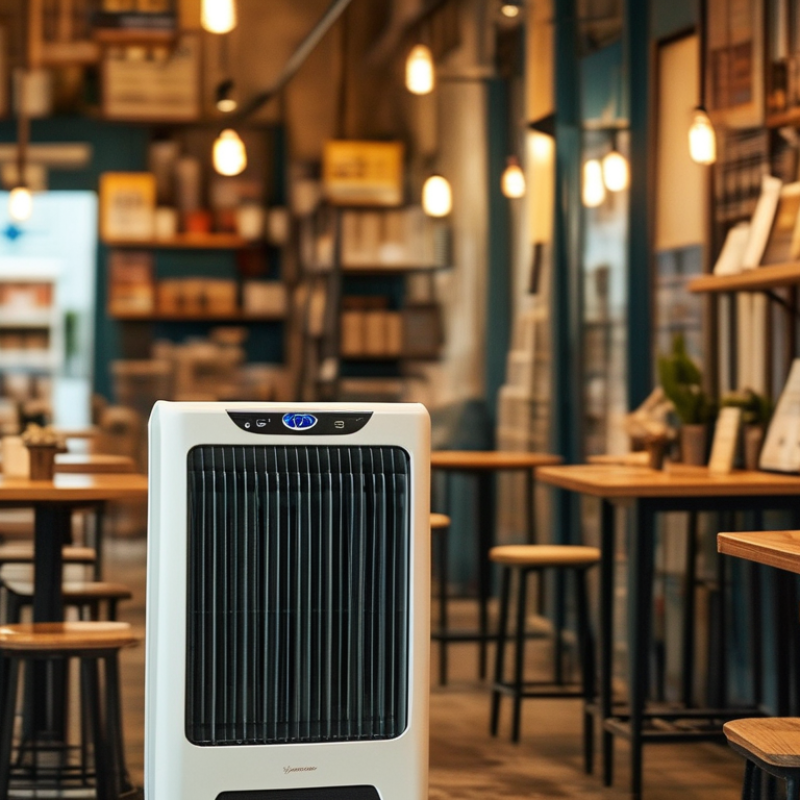
Choosing the best electric heater for your business requires more than comparing prices and wattage. The right decision depends on room size, ceiling height, insulation, operating hours, and customer comfort. A small café may need gentle, even warmth near tables, while a warehouse may require focused heat around loading areas. Walk the space. Notice cold corners, open doors, and drafts near entrances.
Energy-efficiency expert Dr. Steven Nadel has said, “Energy efficiency is the cheapest, cleanest, and fastest way to meet our energy needs.” His point matters when selecting an electric heater for commercial use. A low purchase price can become expensive through constant operation, poor controls, or uneven heating. Check the heater’s rated output, thermostat accuracy, safety certification, and installation requirements. Look for programmable controls and zoning options where practical. They can reduce unnecessary heating during empty hours.
Real businesses also need reliability. Dust, moisture, cleaning routines, and frequent temperature changes can affect performance. A heater that works well in a showroom may struggle in a workshop. That detail is easy to miss. It deserves attention.
No single model fits every business. That is the uncomfortable truth. Managers should compare estimated running costs, maintenance access, warranty support, and expected service life. Ask suppliers for clear technical data, not vague promises. If the calculations seem uncertain, consult a qualified HVAC professional. A careful choice should deliver steady warmth, controlled energy use, and fewer unpleasant surprises during the busiest season.
Define Your Business’s Heating Requirements
Define Your Business’s Heating Requirements
Before choosing an electric heater, examine how your business uses each room. Measure floor area, ceiling height, window size, and outside-wall exposure. A warehouse with frequent loading-door traffic needs more heat than a sealed office. Record the coldest indoor areas during working hours.
Consider occupancy, operating schedules, and equipment that already produces warmth. A small shop may need fast heating near the entrance, while a workshop may require steady background heat. Check insulation, draughts, and ventilation carefully. Your first heat estimate may be wrong. Recheck it during a cold morning, when weaknesses become easier to notice. A qualified heating professional can calculate heat loss and verify electrical capacity before installation.
Tips:
List each room separately. Note its dimensions, preferred temperature, and daily usage. Allow extra capacity for opened doors, poor insulation, or high ceilings, but avoid excessive output. Oversized heaters can create uneven temperatures and waste energy. Review socket locations, controls, noise levels, and maintenance access. In damp areas, confirm that the heater’s protection rating suits the environment. Follow current electrical guidance and local installation requirements. Keep combustible materials clear, even when the heater feels cool on its outer surface.
Compare Electric Heater Types and Heating Technologies
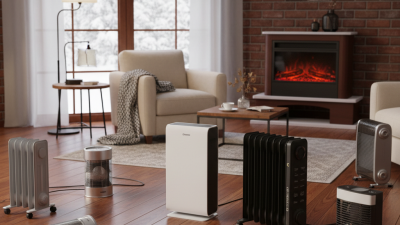
Choosing a commercial electric heater starts with the heating technology, not the catalogue price. Resistance heaters convert electricity into heat at nearly 100% point-of-use efficiency, according to the U.S. Department of Energy. They suit small rooms, backup heating, and areas needing simple installation. However, their running cost can rise quickly in large spaces or during peak tariffs. Fan heaters warm air fast, but airflow may disturb dust and create uneven temperatures near doors.
Infrared heaters work differently. They heat people, floors, and equipment directly rather than conditioning the entire air volume. This can benefit workshops, warehouses, and high-ceiling spaces with intermittent occupancy. The International Energy Agency reported in The Future of Heat Pumps that heat pumps can deliver three to five units of heat for each unit of electricity consumed under suitable conditions. That performance makes air-source heat pumps attractive for offices and retail sites, though cold weather, defrost cycles, and outdoor unit placement need careful review.
Thermal storage heaters can shift electricity use away from expensive periods. Their value depends on the tariff structure and operating schedule. A 2023 U.S. Energy Information Administration commercial buildings report shows that space heating remains a significant energy use in commercial facilities, making control strategy important. In site assessments, a perfectly sized heater can still disappoint when doors remain open or sensors sit near drafts. I would question simple efficiency claims, because real performance depends on insulation, occupancy, maintenance, and local electricity prices.
Evaluate Energy Efficiency, Operating Costs, and Power Needs
Choosing the best electric heater for a business starts with actual power needs, not appearance. Measure the workspace, ceiling height, insulation, and door traffic. A cold warehouse needs more capacity than a small, enclosed office. Heating too little creates discomfort, while oversizing can waste energy and cause frequent temperature swings.
Tips: Check the heater’s wattage and your circuit capacity before purchase. A 1,500-watt unit running eight hours daily for 22 days uses about 264 kilowatt-hours. Multiply that figure by your local electricity rate to estimate monthly energy costs. Compare this estimate with the heater’s thermostat controls, timer settings, and published efficiency data. In practical site checks, programmable controls often reduce unnecessary heating, especially in rooms used only during shifts.
Installation details matter too. Keep airflow clear around the unit, and place temperature sensors away from doors or direct heat. Ask a qualified technician to inspect wiring for continuous commercial use. I once underestimated heat loss near a loading entrance, and the heater ran almost constantly. That mistake changed the final cost more than the purchase price. Energy ratings are useful, but real performance depends on building conditions and staff habits. Review electricity bills after the first month. Adjust schedules carefully. Test, then rethink.
Check Safety Features, Installation Rules, and Maintenance Requirements
How to Choose the Best Electric Heater for Your Business
A commercial heater should be selected around safety, not just heat output. Look for overheat protection, automatic shutoff, stable housing, and protected controls. A tip-over switch matters in busy areas where equipment may be bumped. Keep the heater away from cardboard, curtains, stored products, and cleaning chemicals. Leave clear space around air inlets and outlets. Small gaps matter.
Installation rules vary by location, building type, and heater capacity. Ask a licensed electrician to check the circuit, outlet rating, cable condition, and grounding. Do not use an extension cord unless the manufacturer and local rules clearly permit it. Wall-mounted units need secure fixings and suitable clearance from ceilings or shelving. A visible isolation switch can help staff respond quickly during an emergency. I have seen businesses focus on placement but overlook airflow. That mistake can increase heat buildup and energy use.
Maintenance should follow the equipment manual and a written workplace schedule. Inspect plugs, cords, guards, mounting points, and unusual noises before regular operation. Dust the intake grille after switching off and cooling the unit. Keep filters clean when the model includes them. Record inspections, repairs, and safety concerns. Replace damaged parts through a qualified service provider. A heater that works today may still be unsafe tomorrow. Staff should know the shutdown procedure, although training is often treated as an afterthought. That is worth reconsidering.
Select the Best Heater for Your Workspace and Budget
How to Choose the Best Electric Heater for Your Business
Choosing a heater for your workspace starts with room size, insulation, working hours, and available power. A small office may need less output than a drafty workshop with high ceilings. Measure the room before comparing prices. My early estimate was wrong. I once chose a low-cost heater for a poorly insulated room, and staff still felt cold near the windows.
Check the heater’s wattage, thermostat, timer, and control options. A thermostat can reduce wasted energy by maintaining a steady temperature instead of running continuously. For larger spaces, several smaller heaters may provide more even warmth than one powerful unit. However, extra units can increase installation costs. Review the electrical load with a qualified electrician, especially in older buildings. Safety certification and clear operating instructions should matter more than a discount.
Think about daily use, not only the purchase price. A durable heater may cost more initially but require fewer replacements. Keep airflow clear, place the unit away from paper and fabrics, and inspect cords regularly. Portable models offer flexibility, while fixed units can provide dependable heating in one location. The best choice depends on your workspace and budget. Leave room for maintenance. Costs are easy to underestimate.