Smart Heating Solutions
A cold home office can feel uncomfortable long before the whole house needs heating. A small electric heater may help warm a desk area, bedroom corner, or chilly workshop without taking up much floor space. Still, compact size alone does not make a heater the right choice. Heat output, controls, noise, and safety features all matter.
Begin by estimating the room size and checking the heater’s stated wattage. A unit suited to a small study may struggle in a drafty living room. In everyday use, a steady thermostat can be more useful than an impressive maximum setting. Look for clear temperature controls, stable construction, and features such as overheat protection and tip-over shutoff. These details are worth checking in the product manual, not just in a quick listing.
Comfort is personal. Some people prefer a fan heater’s quick warmth; others find its airflow distracting. Quiet operation matters. So does storage. Consider the cord length and whether the heater can sit safely on a firm, level surface, away from curtains and bedding. Never cover it or leave it running unattended unless the manufacturer specifically permits that use. A heater can make one corner pleasant, but it will not solve every draft or cold-room problem. That is easy to overlook. This guide compares the practical features, running costs, and limitations that can help you choose a small electric heater for your space, rather than simply the model with the most appealing claims.
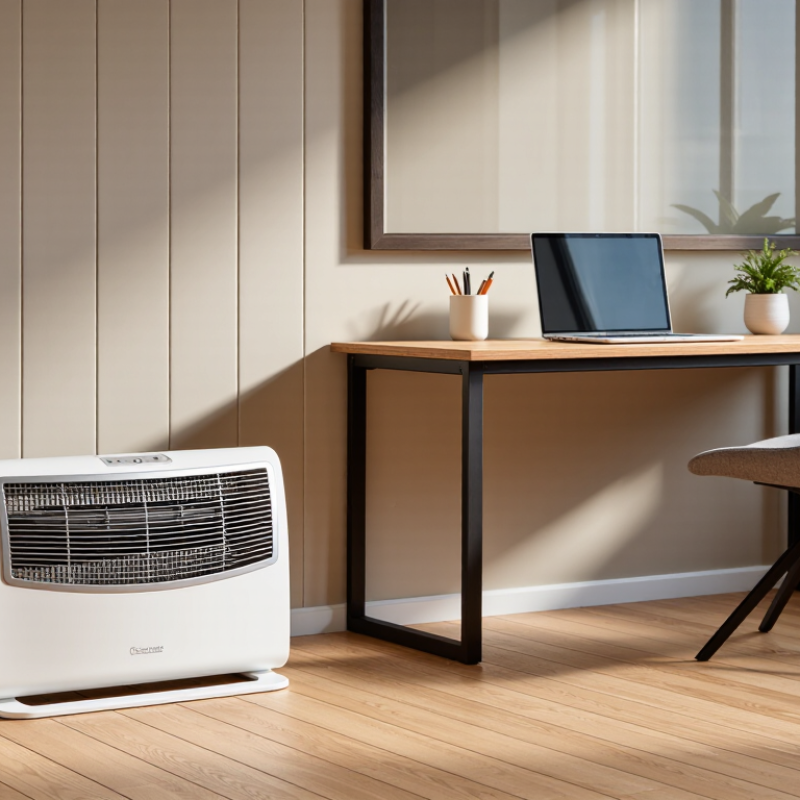
Measure the room’s length and width, then multiply them to estimate its floor area. A 10-by-12-foot room covers 120 square feet. That number helps, but it does not tell the whole story. A drafty room with bare floors may feel colder than a larger, well-insulated space. Check for chilly windows, exterior walls, high ceilings, and doors that do not close tightly.
As a rough starting point, some people estimate about 10 watts of heat per square foot. A 120-square-foot room might therefore call for around 1,200 watts, though climate and insulation can change the requirement. This is not a guarantee. I would not choose a heater from floor area alone; that shortcut misses how the room is actually used. A heater may suit a desk area but leave the far side of the room cool.
Think about when and where you need warmth. For a bedroom, quiet operation and steady heat may matter more than rapid warming. In a home office, check that the heater can sit safely near your usual seating without blocking a walkway. Small details count. If the room stays cold despite a suitable heater, look again at drafts and heat loss before buying a larger unit. That may be the part I overlooked at first.
How to Choose the Best Small Electric Heater?
Compare the Main Types of Small Electric Heaters
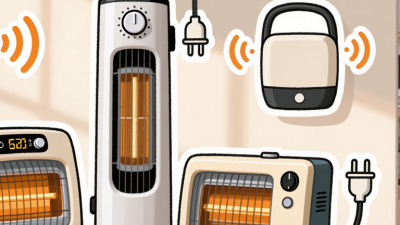
Small electric heaters warm rooms in different ways. Ceramic fan heaters push heated air across a space, so they can make a chilly desk area feel warmer quickly. Their fans create noticeable noise, though, and can stir dust. They suit short bursts of heat better than silent reading.
Oil-filled radiators heat their casing and the air around it. They take longer to warm up, but operate quietly and continue releasing heat after switching off. Their surfaces can become hot, so keep them clear of curtains and out of children’s reach. Infrared heaters work differently: they warm people and objects in their path, not the whole room evenly. A chair can feel cosy while the far side stays cool.
Compare the heater with the room you actually use. A draughty bedroom may need steady background warmth; a small bathroom may benefit from rapid heat, with the unit placed safely away from water. Check for a thermostat, overheat protection, and tip-over shutoff, and follow the manual’s clearance guidance. No type wins every room. It is easy to focus on heating speed and overlook fan noise or floor space. Measuring the available spot first is less exciting, but often more useful.
When comparing small electric heaters, check wattage before advertised room coverage. Many portable models draw up to 1,500 watts on high. At that setting, four hours of continuous use consumes 6 kilowatt-hours; multiply this by your local electricity rate to estimate cost. A thermostat may reduce actual use by switching the heater off as the room warms, but poor placement can make it cycle too often. Small rooms behave differently. The U.S. Energy Information Administration’s 2020 Residential Energy Consumption Survey reports that space heating accounted for 42% of household site energy use. That figure includes all heating systems, not just portable heaters, but it highlights why temperature control deserves attention.
Compare low and high settings, thermostat range, and whether the unit lets you set a target temperature. The U.S. Department of Energy’s Energy Saver guidance recommends using space heaters to warm occupied rooms rather than an entire home. A heater beside a cold window may keep running, while one near a doorway can heat an area you are not using. Keep it clear of curtains and furniture, and avoid placing the thermostat where warm air blows directly onto it. Check the rated wattage against your circuit and the heater’s manual. I would not assume a digital display means better efficiency; the control’s accuracy and your habits matter more. A quick room-temperature check can reveal that the setting feels right in one corner, but not across the room.
Compare common small electric heater types by typical power input, estimated electricity use at full power, and available temperature controls. Specifications vary by model, so check the product label and manual before buying.
| Heater Type | Typical Rated Power | Electricity Use at Full Power | Temperature Controls to Look For | Best Suited To | Key Consideration |
|---|---|---|---|---|---|
| Ceramic fan heater | About 750–1,500 W | About 0.75–1.5 kWh per hour | Adjustable thermostat, low/high heat settings, and fan-only mode on some models | Quickly warming a small room or providing directed heat | The fan distributes warmth quickly, but produces airflow and some operating noise. |
| Oil-filled radiator | About 600–1,500 W | About 0.6–1.5 kWh per hour | Adjustable thermostat and multiple heat settings; some models include a timer | Steady, quiet heat in a room used for longer periods | It takes time to warm up and can remain hot after being switched off. |
| Infrared or radiant heater | About 300–1,500 W | About 0.3–1.5 kWh per hour | Heat-level settings and, on some models, a thermostat or remote control | Heating a person or area directly, such as near a desk or seating area | Warmth is most noticeable within the heater’s direct heating area. |
| Electric panel heater | About 400–1,500 W | About 0.4–1.5 kWh per hour | Thermostat, selectable heat levels, and sometimes a programmable timer | Supplemental room heating where a low-profile unit is preferred | Heating response and heat distribution vary with the room and installation. |
How to estimate use: Energy use in kWh per hour at full power equals the heater’s wattage divided by 1,000. For example, a 1,500 W heater uses about 1.5 kWh in one hour at full output. A thermostat may cycle the heater on and off, so actual use can be lower and depends on room conditions and settings. Choose a model with a thermostat for more precise temperature management, and follow its safety instructions and electrical requirements.
A small electric heater should have more than a compact shape and a reassuring label. Look for certification from an independent, recognized testing laboratory, and check that the mark applies to the exact model—not just the manufacturer. The NFPA’s Home Fires Involving Heating Equipment report estimated an average of 44,210 U.S. home heating-equipment fires each year from 2016 to 2020. Those fires caused an estimated 480 deaths and 1,370 injuries annually. The figures cover heating equipment broadly, not small electric heaters alone, but they show why safety checks matter.
Check for automatic shutoff if the heater tips over, plus overheat protection that cuts power when internal temperatures rise too high. Read the manual for required clearances, then keep the heater on a hard, level surface, away from curtains, bedding, and paper. A certification mark is not a substitute for careful placement. Nor does a “safety” feature make an extension cord a good idea; follow the product instructions and plug the unit directly into a suitable wall outlet.
Before buying, inspect the label and manual for the model number, electrical rating, and certification details. If the certification cannot be verified, pause. It is easy to overlook that detail when a heater looks sturdy on a store shelf. Safety information can be less visible than the price tag.
Compare typical nominal household supply voltages to the voltage on a heater’s rating label.
Before buying, make sure the heater is rated for your local supply and check that its safety certification or compliance marking is valid for your country and the exact model. Voltage compatibility does not replace certification checks.
Measure the room before comparing heaters. A compact bedroom needs less output than a chilly, open living area. Check the heater’s rated wattage, then consider ceiling height, insulation, and drafts. A heater may struggle beside a leaky window. Small room? Start there.
Running cost matters as much as the sticker price. A 1,500-watt heater uses 1.5 kilowatt-hours in one hour at full power. Multiply that amount by your local electricity rate to estimate hourly cost. Thermostats and lower heat settings can reduce use, though results depend on the room and your habits. I still misjudge this sometimes.
Think about how you will use the heater. A handle and manageable weight help when moving it between rooms, while a timer can prevent unnecessary operation. Compare the purchase price with likely running costs over a cold month. Choose a model with recognized safety certification, and follow its manual for clearances and outlet use. Keep it away from curtains, bedding, and foot traffic. A cheaper heater can cost more to run; a costly one is not automatically the right fit.