Smart Heating Solutions
Why Choose an Industrial Electric Heater for Your Business?
Manufacturers are rethinking process heat as energy costs, emissions targets, and production demands continue changing. The U.S. Department of Energy reports that process heating consumes about 51% of manufacturing energy use. That figure deserves attention. An industrial electric heater can convert power into controlled heat near the production point, reducing combustion equipment, exhaust losses, and complicated fuel systems.
The International Energy Agency’s Energy Technology Perspectives 2024 identifies electrification as an important pathway for industrial decarbonization. Electric systems also support accurate temperature control, automated monitoring, and cleaner factory environments. Picture a food-processing line holding 180°C within a narrow range, rather than repeatedly overshooting and wasting heat. That precision can protect product quality and reduce rejected batches. It may also simplify maintenance.
Dr. Fatih Birol, Executive Director of the IEA, has stated, “There is no clean energy transition without industry.” His observation applies directly to industrial heating decisions. However, electric heating is not automatically the best answer. A plant must assess electricity capacity, peak tariffs, insulation, duty cycles, and required temperatures. Poor sizing can create disappointing savings. I have seen many projects focus on heater price while overlooking installation limits and control strategy.
The strongest business case combines a site energy audit, measured heat demand, and a realistic payback model. Industrial electric heaters can offer cleaner operation, repeatable performance, and flexible integration. Yet results depend on engineering discipline. The technology is powerful. The design still matters more.
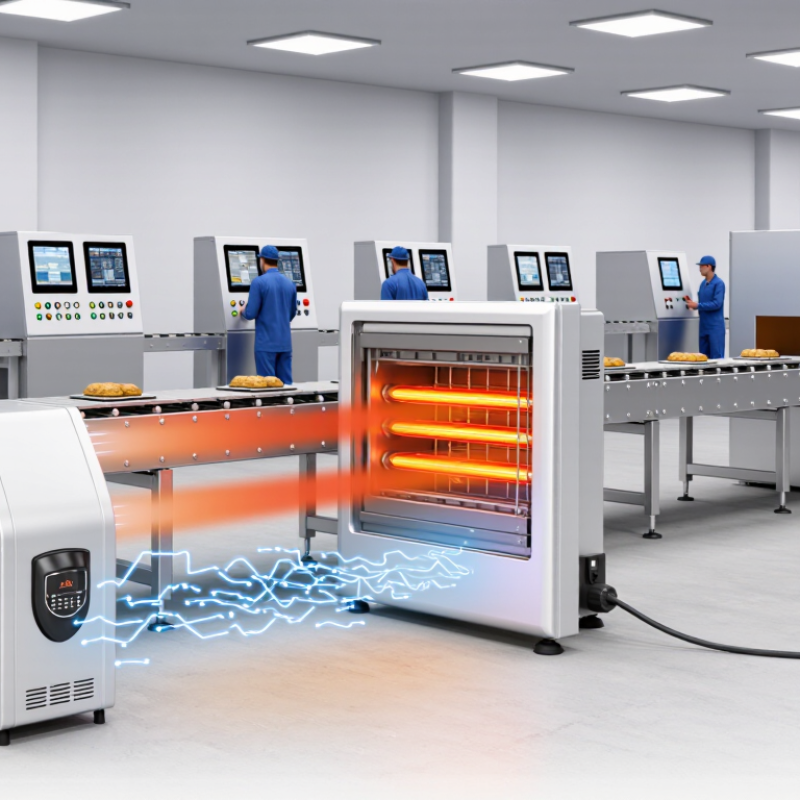
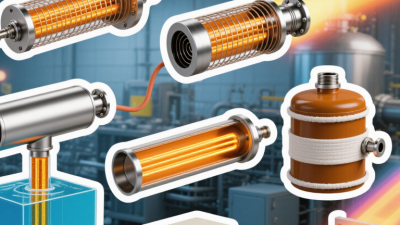
An industrial electric heater is equipment that converts electrical energy into controlled heat for demanding workplaces. Unlike a small household heater, it is designed for larger spaces, process lines, tanks, ducts, or drying chambers. Common types include air heaters, immersion heaters, circulation heaters, and infrared units. Each type transfers heat differently.
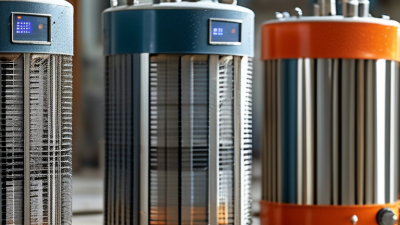
Inside, heating elements create thermal energy through electrical resistance. A thermostat, sensor, and control panel regulate the output. Some systems also include airflow switches, over-temperature protection, and automatic shutoff controls. These features matter in dusty workshops, cold warehouses, and production areas where temperatures must remain stable. I have found that heater selection often depends on details people overlook. Available voltage, airflow, insulation, humidity, and operating hours can change the result significantly.
An industrial electric heater can provide clean, precise heat because it produces no combustion gases at the point of use. However, it still requires correct sizing and professional installation. An oversized unit may cycle too often, while an undersized unit may run continuously. Neither outcome is ideal. Maintenance should include checking electrical connections, sensors, guards, and accumulated dust. The process is not always simple. A heater that performs well in a dry warehouse may struggle in a corrosive process area. Reviewing technical data and local electrical requirements helps businesses choose equipment more safely and realistically.
An industrial electric heater converts electrical energy into controlled heat. Inside the unit, resistance elements heat rapidly as current passes through them. The heat then moves through air, liquids, metals, or process equipment. Fans support convection, while radiant elements transfer heat directly to nearby surfaces. Sensors measure temperature continuously. A controller adjusts power through staged switching or pulse-width control.
This process is precise. A well-calibrated system can hold a narrow temperature range, reducing overheating and material damage. U.S. Department of Energy data reports that industry uses about 30% of America’s total energy. Its Industrial Decarbonization Roadmap also identifies industrial process heat as a major emissions challenge. Electric heating can reduce onsite combustion when supplied by lower-carbon electricity. The actual benefit depends on the local power mix.
Electric heaters also start quickly and require no fuel combustion chamber. That can simplify ventilation and maintenance. However, electricity may cost more than fuel in some regions. The common claim that electric heat is always cheaper is incorrect. Engineers should compare energy tariffs, insulation quality, duty cycles, and peak demand charges. The International Energy Agency reports that industry produces roughly one-quarter of global greenhouse gas emissions. Better controls matter.
Small details matter. Poor sensor placement can create false readings. Weak insulation wastes heat. An oversized heater may cycle too frequently. Testing the system under real production loads is essential. A practical review should examine wiring, airflow, thermal expansion, and emergency shutoff performance before full operation.
Industrial electric heaters give businesses precise, clean, and responsive process heat. They fit workshops, warehouses, laboratories, food facilities, and manufacturing lines. Unlike combustion equipment, they produce no onsite flame or exhaust. This can simplify indoor ventilation planning. Electric control also supports accurate temperature changes. That matters when materials react badly to overheating. No system is perfect.
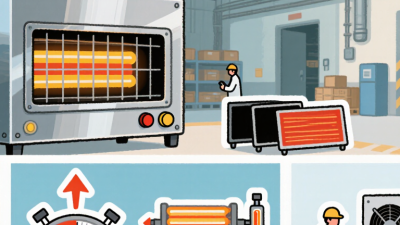
Immersion heaters warm liquids directly inside tanks, drums, and process vessels. They work well for water, oils, cleaning solutions, and chemical baths. Circulation heaters heat fluid as it moves through a pipe or pump loop. This design suits hot water, air, and industrial oils. Duct heaters raise air temperature inside ventilation or drying systems. They often use staged controls to match changing airflow. Infrared and radiant heaters warm surfaces without heating the entire room. They can help with spot heating, curing, and worker comfort. Band and cartridge heaters fit around or inside compact equipment. They support molds, nozzles, dies, and other parts needing focused heat.
Selection should begin with load calculations, material compatibility, and operating temperature. Ask an engineer to check voltage, airflow, insulation, and control response. An oversized heater may cycle harshly and waste energy. An undersized unit may run continuously and miss the target. In field use, dust, moisture, vibration, and scale often change performance. Regular inspection catches loose wiring, damaged sensors, and uneven heating. I would not trust a temperature display without checking it against a calibrated instrument. That extra check can expose a quiet failure before it damages the product.
| Heating System | How It Works | Typical Industrial Temperature Range* | Best-Suited Applications | Key Advantages | Important Considerations |
|---|---|---|---|---|---|
| Resistance Heating | Electrical current passes through a resistive element, converting electrical energy directly into heat. | Approximately 200–1,200°C, depending on element material, construction, and atmosphere. | Ovens, furnaces, dryers, heat-treatment equipment, tanks, ducts, and process air systems. | Reliable, easy to control, widely available, and suitable for direct or indirect heating. | Element life depends on operating temperature, electrical loading, corrosion, vibration, and thermal cycling. |
| Infrared Heating | Infrared emitters radiate energy that is absorbed by the surface of the product or material. | Commonly used for surface heating from about 100–800°C; actual product temperature varies by emitter and material. | Paint curing, powder coating, plastics forming, textiles, printing, food processing, and moisture removal. | Fast response, zoned control, and efficient heating of exposed surfaces without heating the entire surrounding air volume. | Performance is affected by distance, line of sight, material color, surface condition, and product geometry. |
| Induction Heating | An alternating magnetic field induces electrical currents within electrically conductive workpieces, generating internal heat. | From localized heating to more than 1,000°C, depending on frequency, power, material, and process design. | Metal melting, brazing, forging, hardening, annealing, shrink fitting, and localized heat treatment. | Rapid, clean, contactless, and highly controllable heating with limited heat transfer to nearby components. | Requires electrically conductive materials and careful coil, frequency, cooling, and power-supply design. |
| Dielectric / Radio-Frequency Heating | A high-frequency electric field causes molecular polarization and internal heating in dielectric materials. | Typically used for controlled heating, drying, or curing below approximately 200°C. | Wood drying, adhesive curing, plastics processing, textiles, paper, food products, and composite materials. | Volumetric heating can reduce processing time and improve heating uniformity in suitable materials. | Material moisture, dielectric properties, field distribution, shielding, and regulatory requirements must be evaluated. |
| Electric Heat Tracing | Heating cables or conductive elements installed along pipes, tanks, valves, or surfaces compensate for heat loss. | Commonly maintains process temperatures from below 0°C to approximately 250°C, depending on cable type. | Freeze protection, pipe temperature maintenance, viscosity control, tanks, vessels, and roof or gutter systems. | Flexible installation, independent heating zones, and precise temperature maintenance for distributed equipment. | Correct insulation, cable spacing, grounding, circuit protection, and temperature control are essential for safety. |
| Electric Process-Air Heating | Electric elements heat moving air or gas as it passes through a duct, chamber, or circulation system. | Often used from ambient conditions to approximately 600°C; higher temperatures require specialized designs. | Drying, curing, clean-air systems, ventilation, combustion-air preheating, and industrial ovens. | Clean operation, accurate control, modular capacity, and no combustion gases at the point of use. | Airflow, pressure drop, element watt density, minimum flow, and over-temperature protection must be considered. |
*Temperature ranges are representative engineering ranges rather than universal limits. A qualified engineer should verify the design against the process requirements and applicable electrical and safety standards.
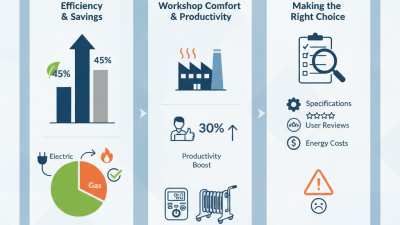
Businesses choose electric heating solutions because they offer precise, responsive process control. In a production line, temperature can rise steadily instead of surging. Operators can adjust zones, timers, and sensors with less manual intervention. That matters when drying coatings, curing components, or maintaining storage temperatures. The U.S. Department of Energy states that electric resistance heating converts nearly 100% of incoming electricity into heat at the point of use. There is no combustion chamber. No flue is required.
The energy impact is significant. The U.S. Energy Information Administration’s Manufacturing Energy Consumption Survey reports that process heating represented about 51% of manufacturing energy use. Even small efficiency improvements can therefore affect operating costs. Electric heaters also support cleaner indoor air because they produce no on-site combustion gases. The International Energy Agency reported a 2.2% improvement in global energy intensity during 2022, showing why measurable energy control remains important. Data helps. Guesswork does not.
Maintenance teams often value simpler equipment. Fewer moving parts can mean fewer interruptions, while modular heating zones can limit wasted heat. However, electricity is not automatically the greener or cheaper choice. Results depend on local power prices, insulation, duty cycles, and grid emissions. That is the uncomfortable part. A poorly insulated chamber can waste energy, regardless of the heater type. Businesses should review load profiles, temperature accuracy, maintenance records, and total lifetime cost before switching. Real operating data is more reliable than a brochure.
Why Choose an Industrial Electric Heater for Your Business?
How to Select the Right Heater for Your Operation
Selecting an industrial electric heater starts with the space, not the product catalogue. Measure room volume, insulation quality, ceiling height, and expected heat loss. A cold loading bay needs a different solution from a sealed processing room. Record the lowest outdoor temperature and the target indoor temperature. Small details matter.
Check the available electrical supply before comparing wattage. Confirm voltage, phase, circuit capacity, and installation limits with a qualified electrician. Oversizing can waste energy and create uncomfortable hot zones. Undersizing may leave workers near doors shivering. It sounds obvious, yet this mistake appears often. Recheck the calculations.
Air movement also affects heater choice. Fan-assisted units distribute heat quickly, while radiant systems warm people and surfaces directly. For dusty or damp areas, review enclosure ratings, cleaning needs, and corrosion resistance. Controls should match the operation, such as thermostats, timers, or zone control. Keep maintenance access clear. A heater that performs well but cannot be serviced safely is a poor investment.
Ask for documented performance data, wiring requirements, safety information, and operating limits. Compare expected running costs across realistic duty cycles, not only maximum output. Site testing may expose drafts, blocked airflow, or uneven temperatures that plans miss. I would question any selection based only on room size. Actual working conditions deserve another look.